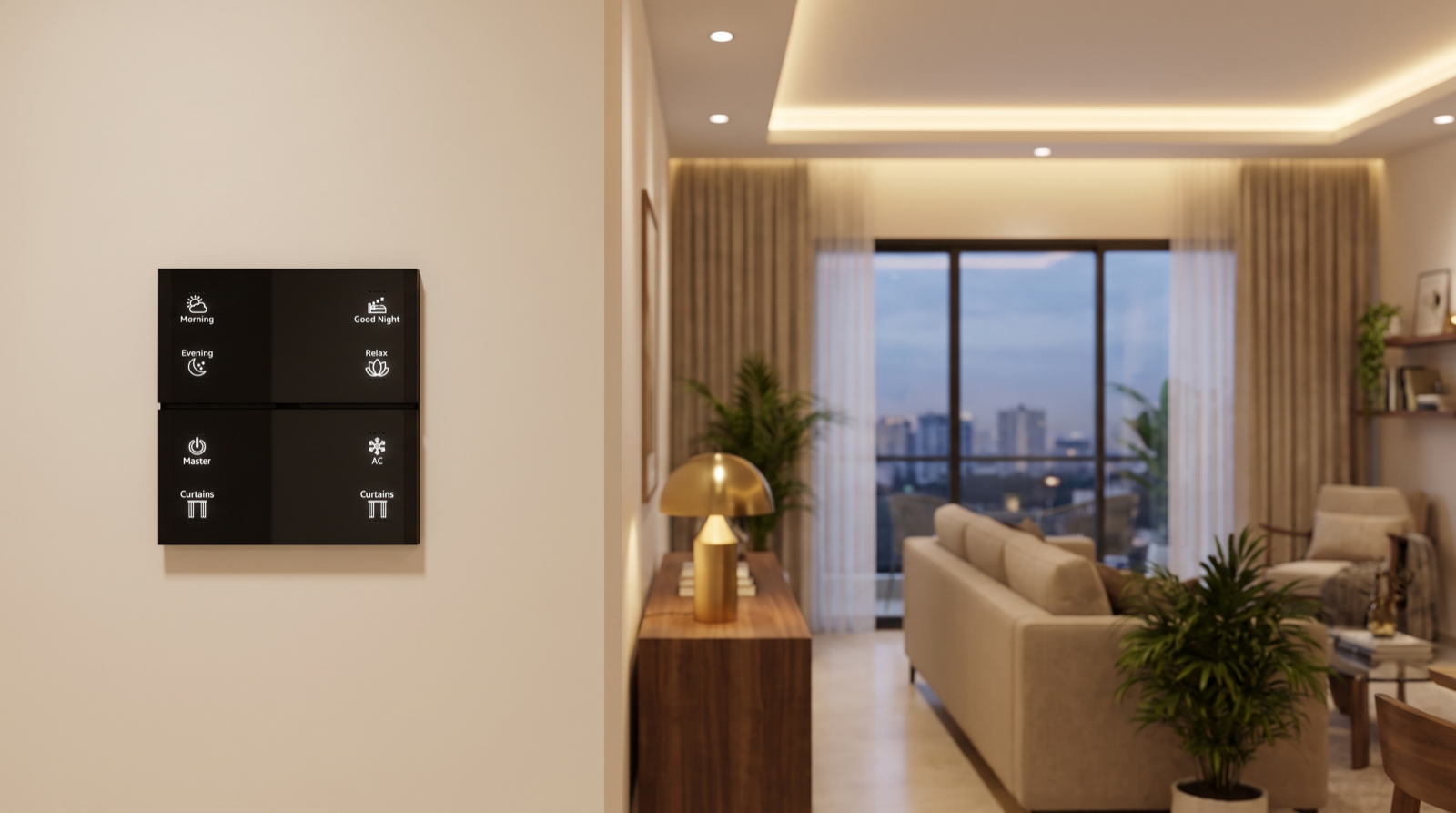
Home Automation Glossary: 50 Smart Home Terms Explained in Plain English
Gateway, mesh, scene, group, trigger, local control, neutral wire, entry delay: the words installers use, and why each one matters to you.
Read Article →
Use this archive to explore practical guides around smart home Hyderabad projects, home automation Hyderabad design, system integration, and how to compare Hyderabad automation companies before you buy.
Gateway, mesh, scene, group, trigger, local control, neutral wire, entry delay: the words installers use, and why each one matters to you.
Read Article →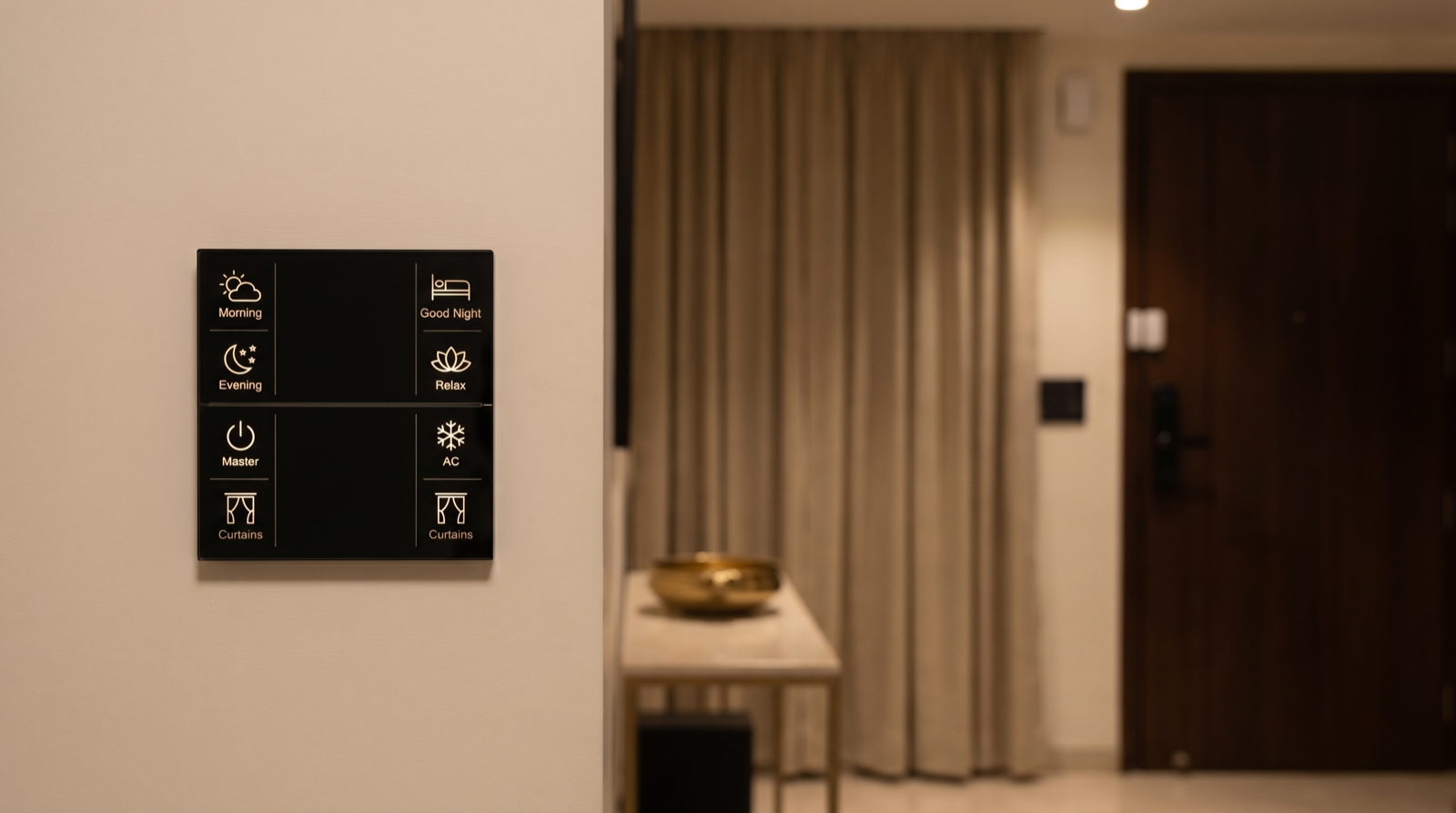
Arming states, perimeter and interior zones, exit and entry delays, the staged alarm response, cutting false alarms, and what still works without internet.
Read Article →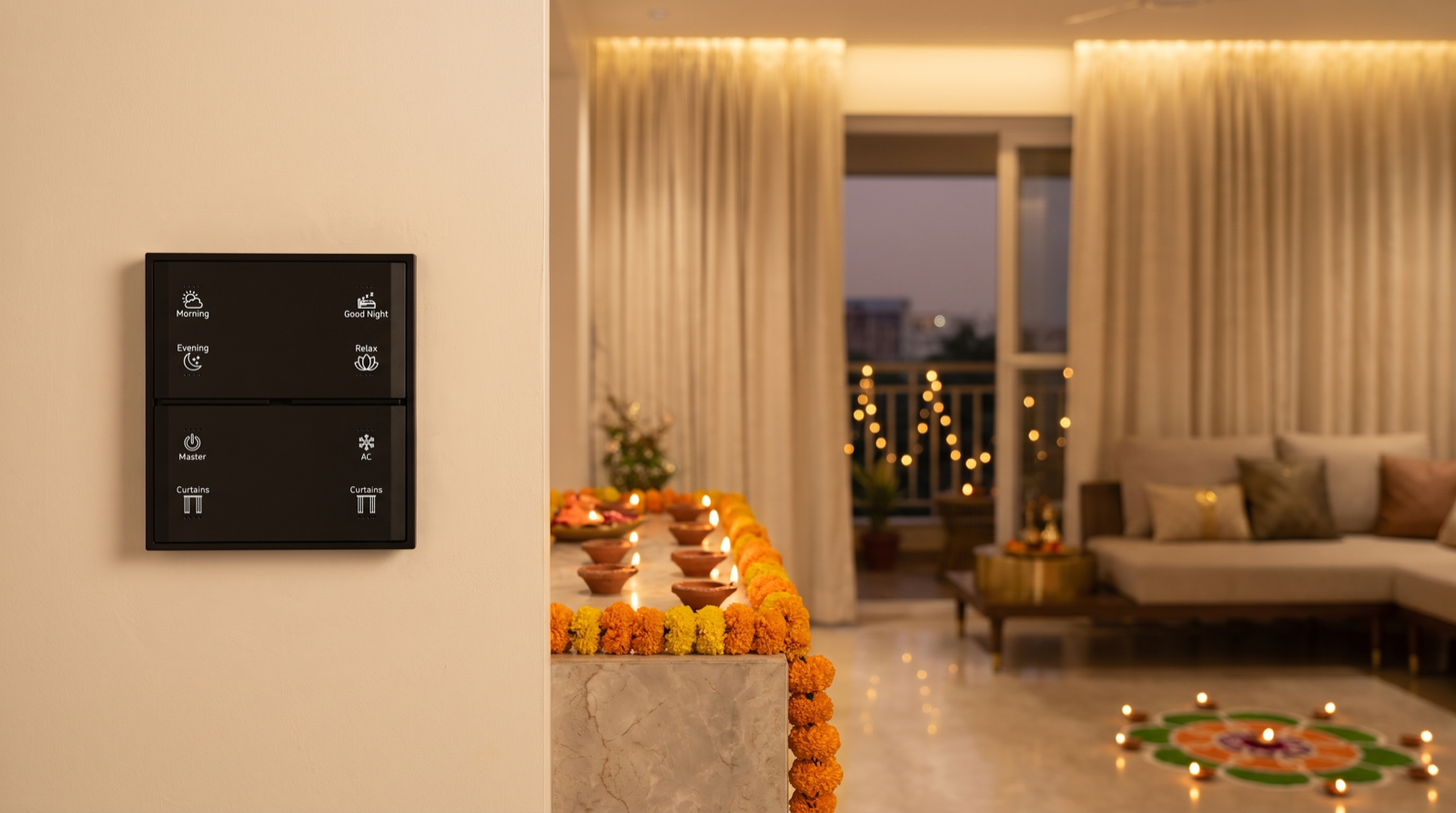
Hosting scenes, temporary festive lighting schedules, sensor timeouts, curtains near diyas, guest access, quieter alerts, away mode for hometown trips, and the after-festival reset.
Read Article →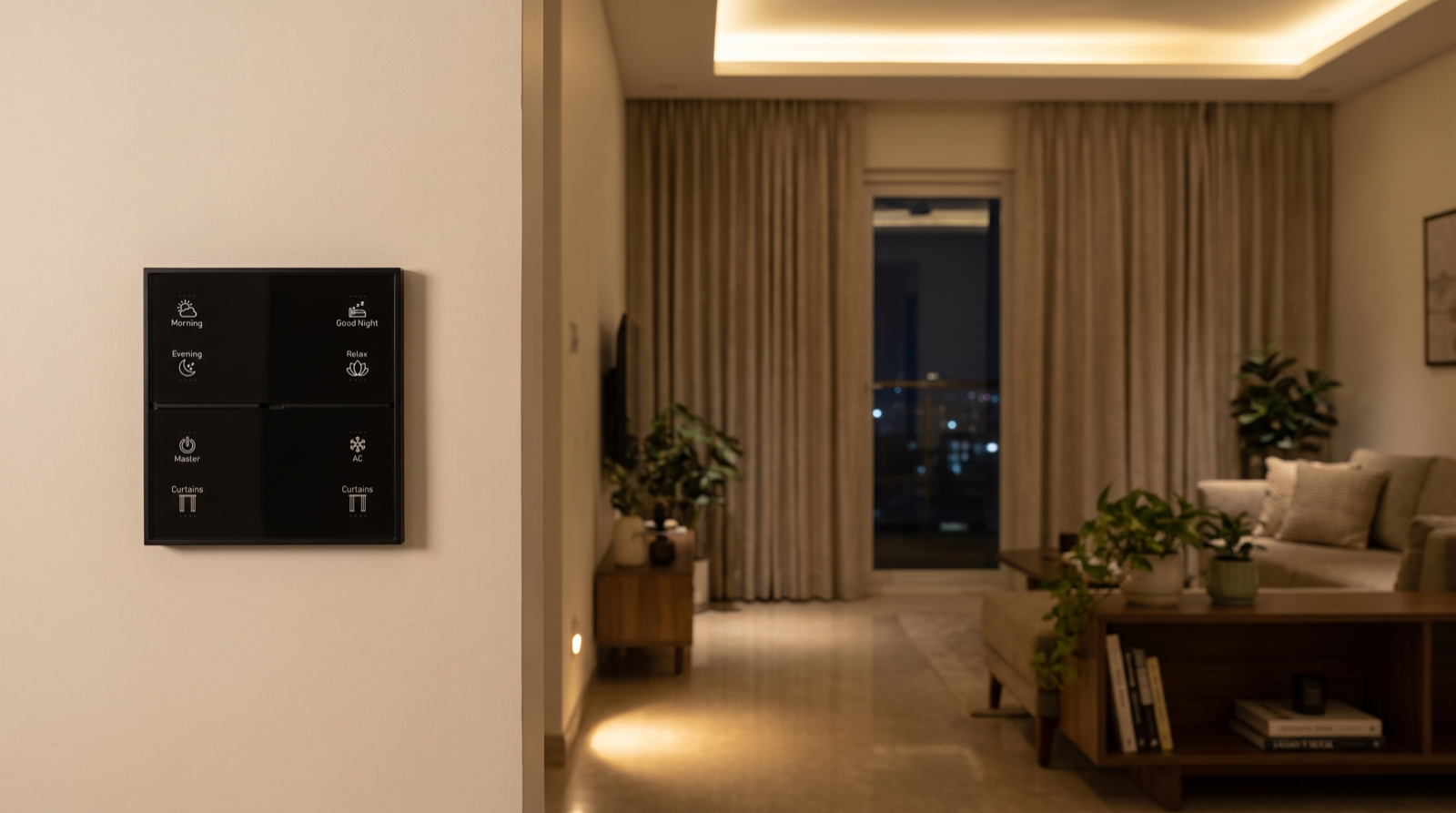
The restart sequence after a power cut, the power-on state each device should have, inverter and DG double blips, missed schedules, and what to put on backup.
Read Article →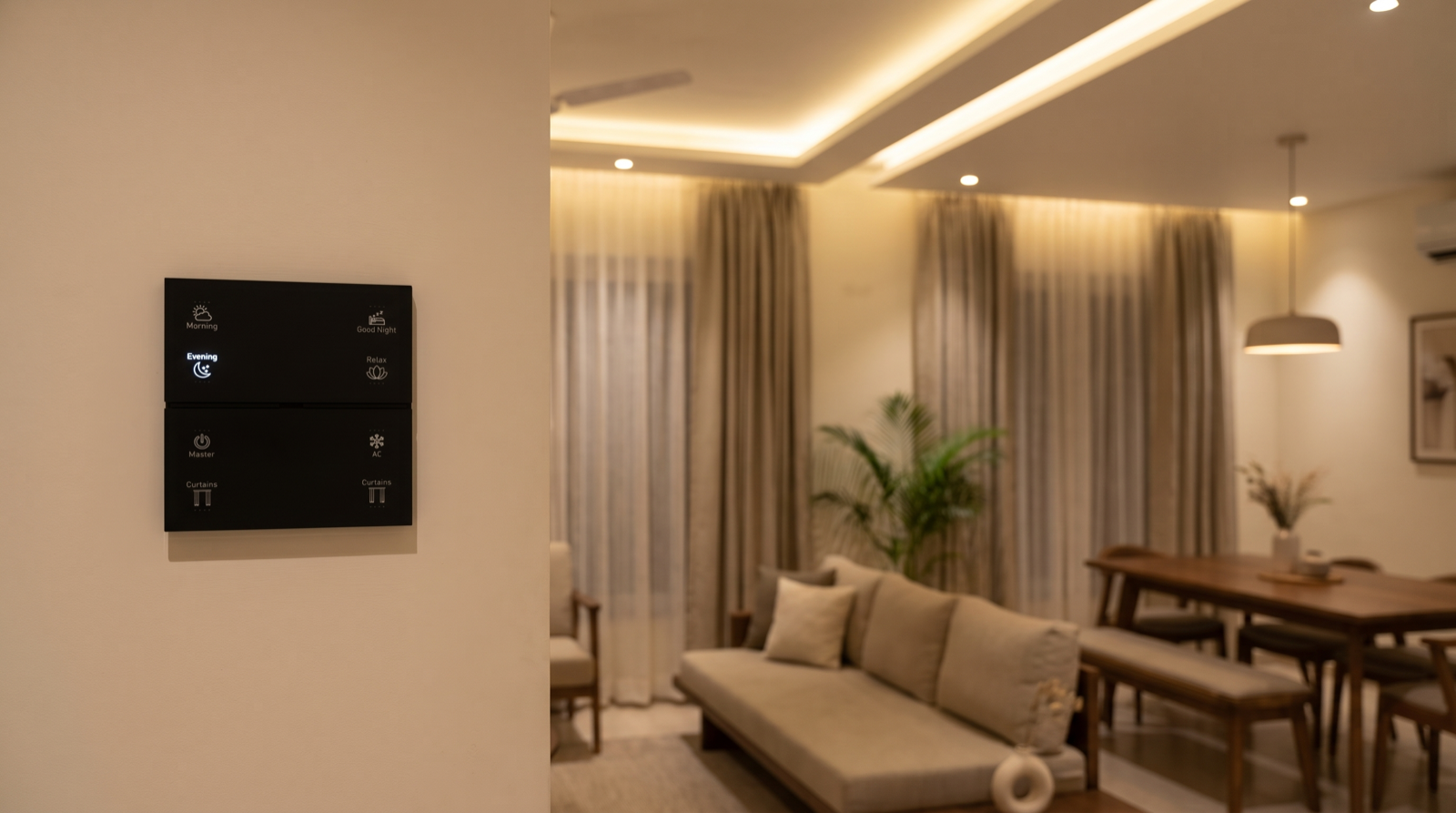
What a keypad button should do on the first press, the second press and a long press, with curtain and AC logic and a worked eight-button keypad map.
Read Article →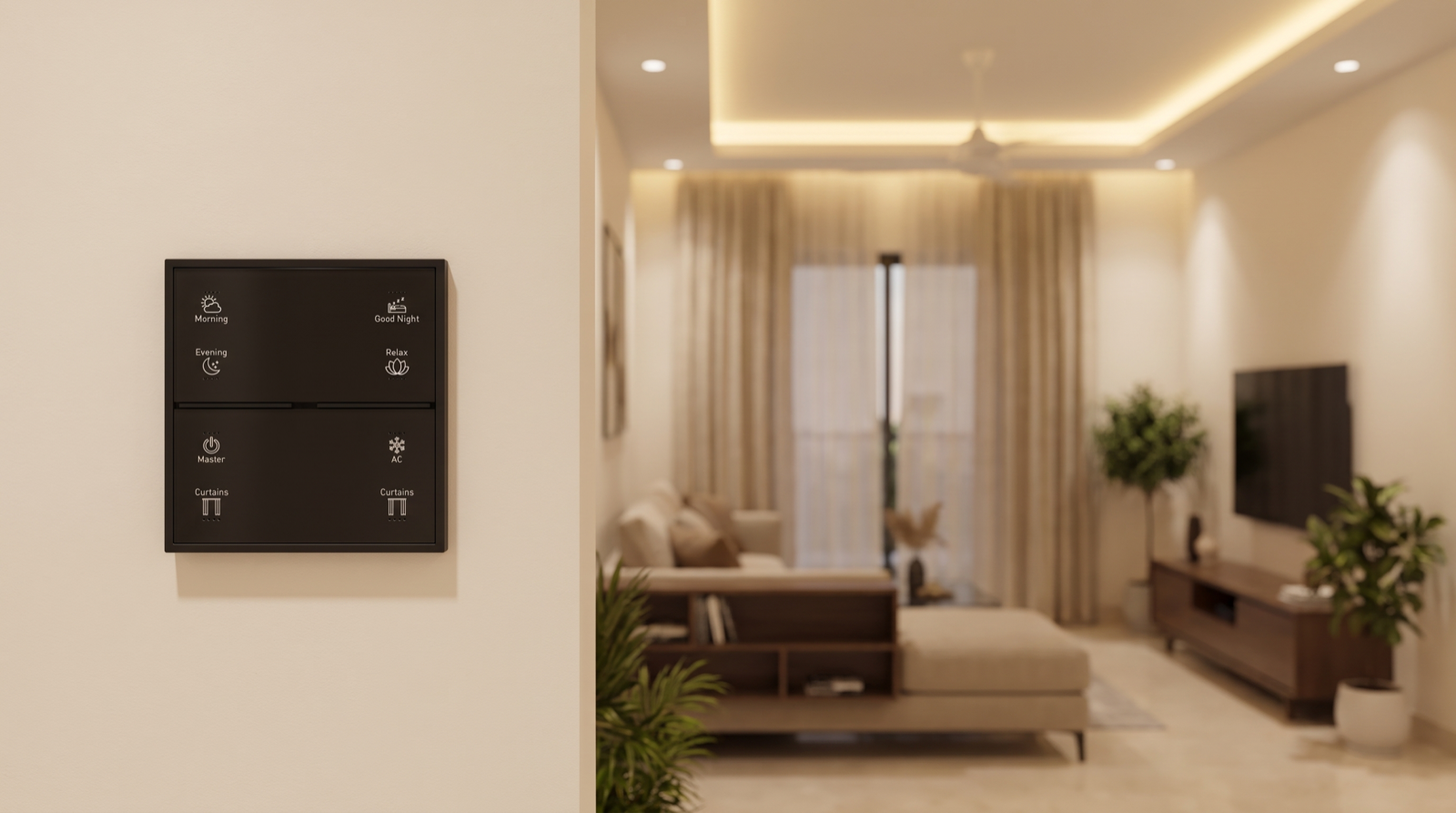
Almost every "ghost" is a schedule, a sensor rule, another person or a power event. How to read the clues, check the activity history and fix the cause.
Read Article →
Gateway, keypads, lights and sensors all get updates. How a Zigbee OTA update travels, why it takes time, which updates to install now, and a ten-minute check afterwards.
Read Article →
The keypads stay on the wall, but your admin account, lock codes and camera history should not. What stays, what goes, and the order to hand a smart home to a buyer or tenant.
Read Article →
A schedule tuned in October will not suit May. How a designed smart home adapts to Hyderabad's heat, monsoon storms and short winter evenings, mostly without anyone touching the app.
Read Article →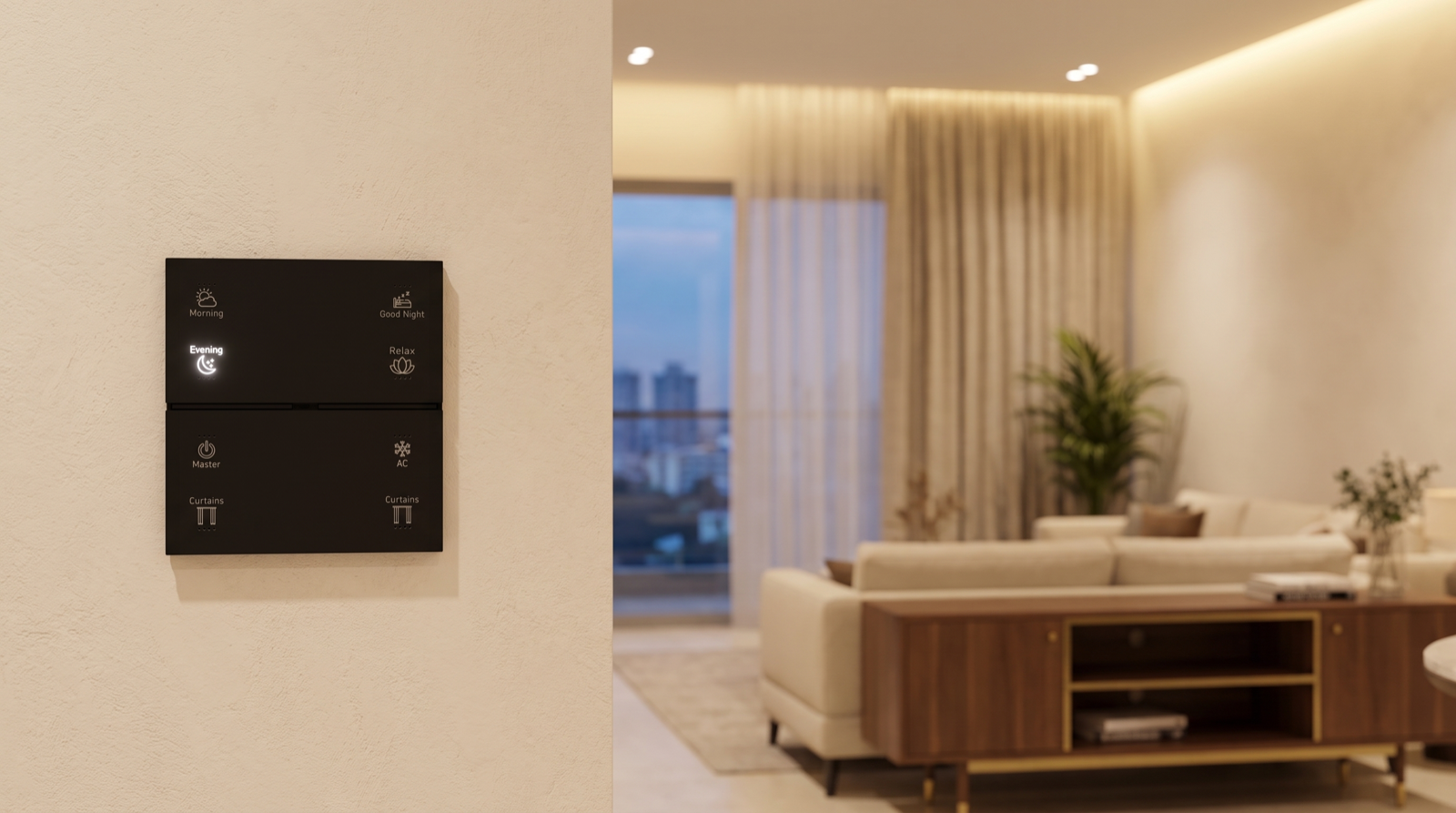
A smart home that makes you wait half a second feels broken. Where the delay comes from (keypad, app, voice, scenes, curtains), which pauses are deliberate, and how a designed system is made to feel instant.
Read Article →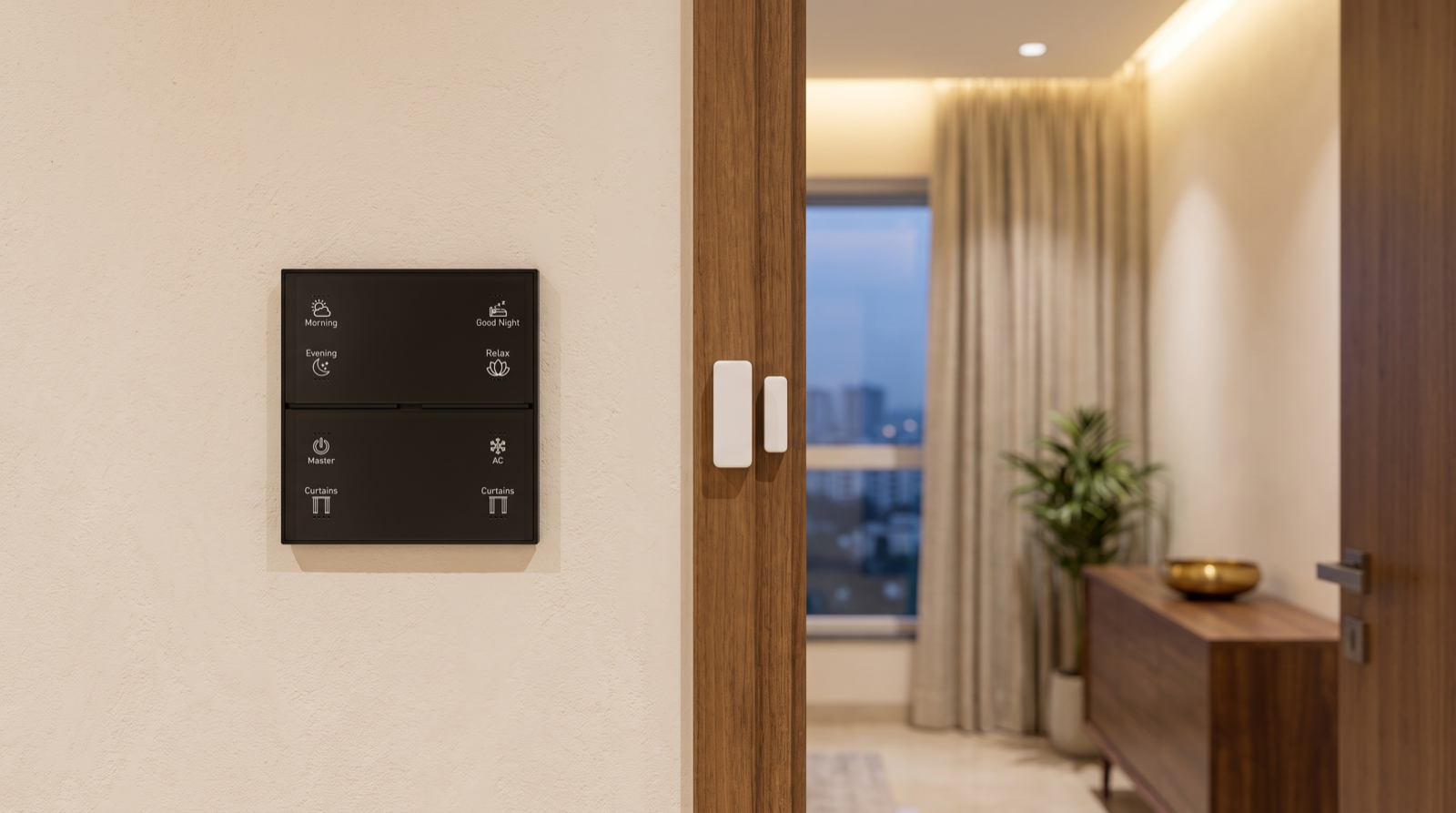
A handful of batteries cause most "my automation stopped working" calls. Which devices should use them, how long they last in Hyderabad heat, and how to be warned before one runs out.
Read Article →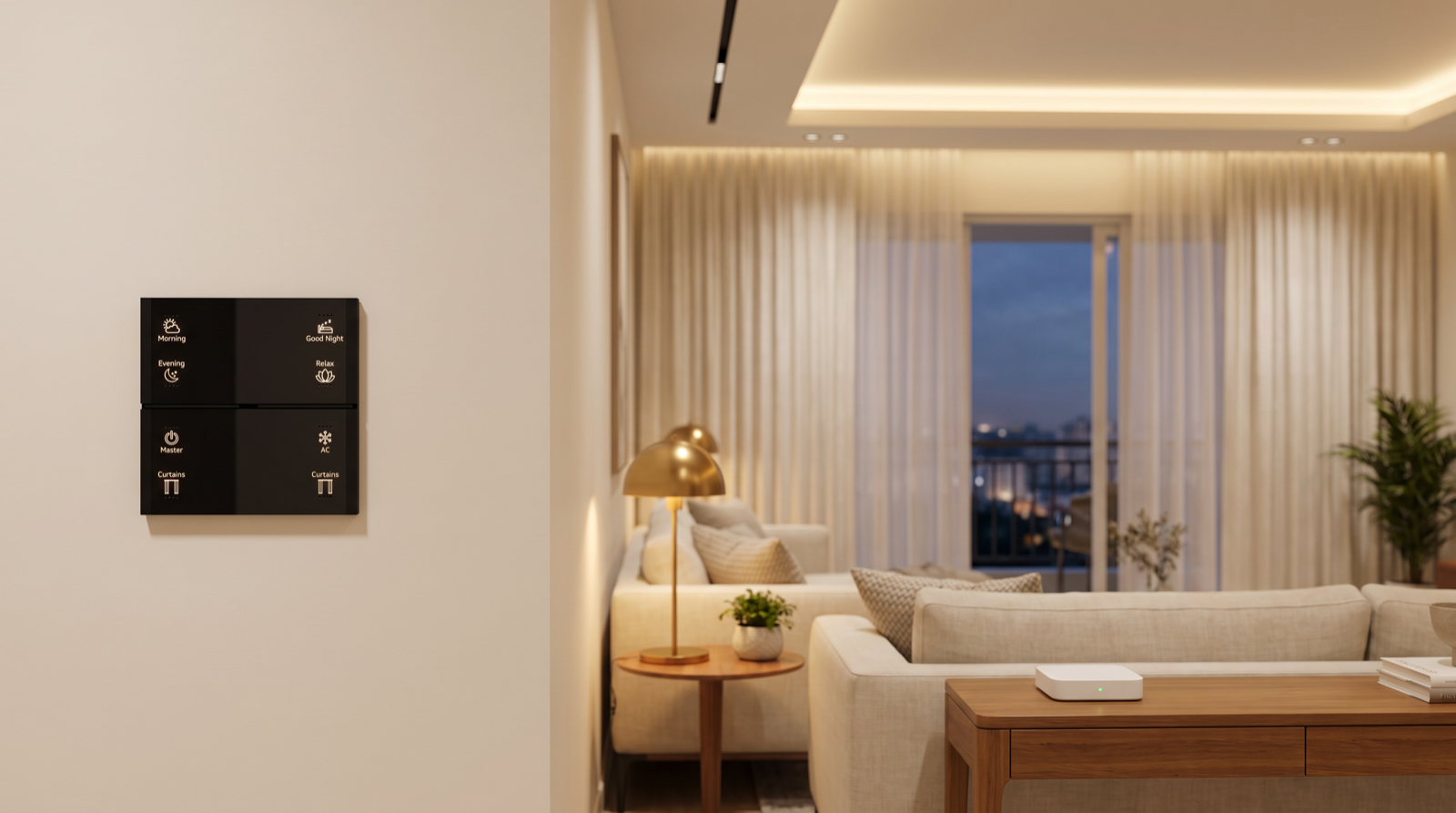
Installation puts devices on the wall; commissioning makes them a system. Why pairing order matters, what each keypad button is mapped to, and the record you should get at handover.
Read Article →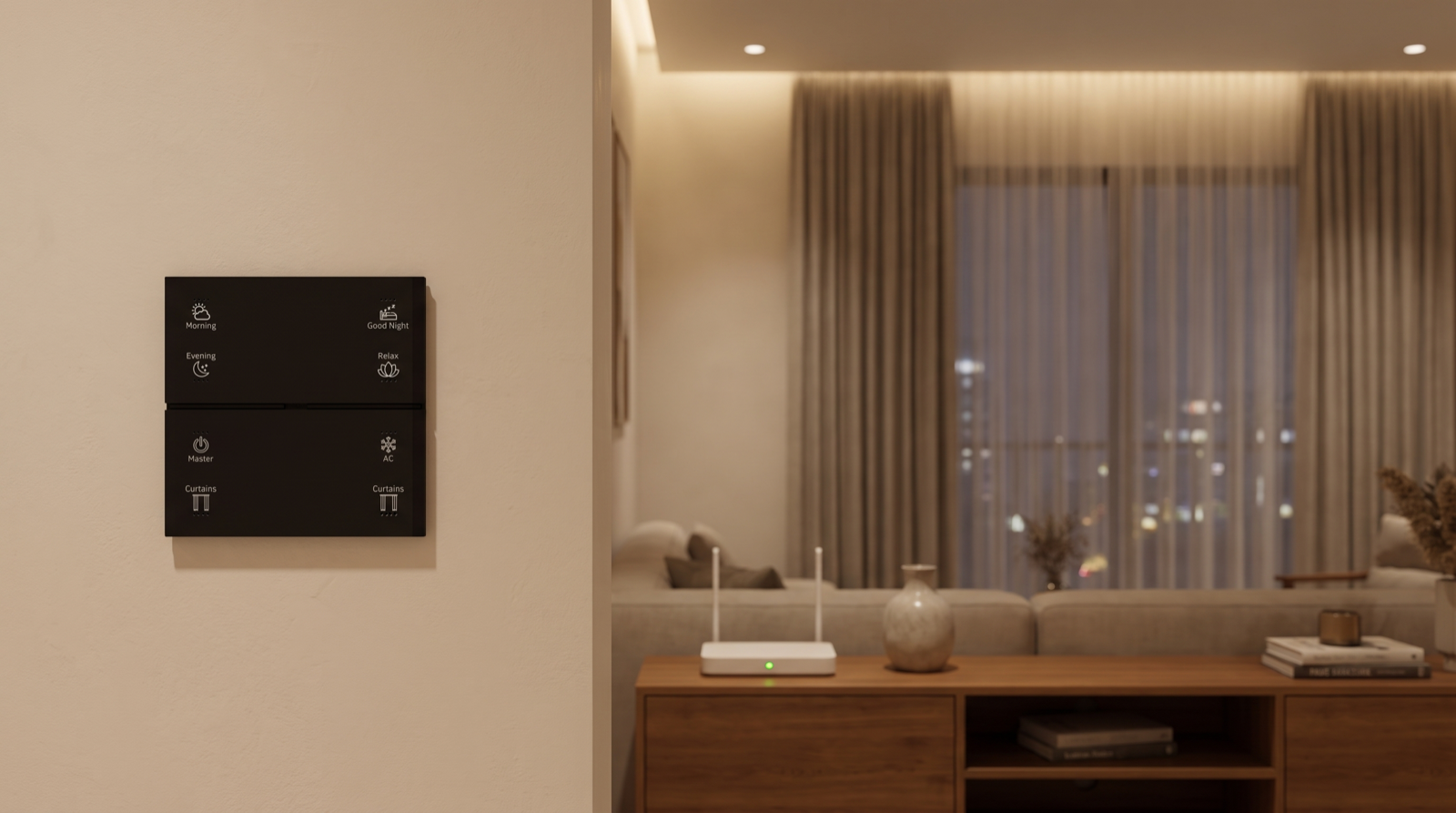
Your keypads and Zigbee devices never talk to the router. Here is what does, and the switch-over plan that keeps scenes, remote access, voice and cameras working.
Read Article →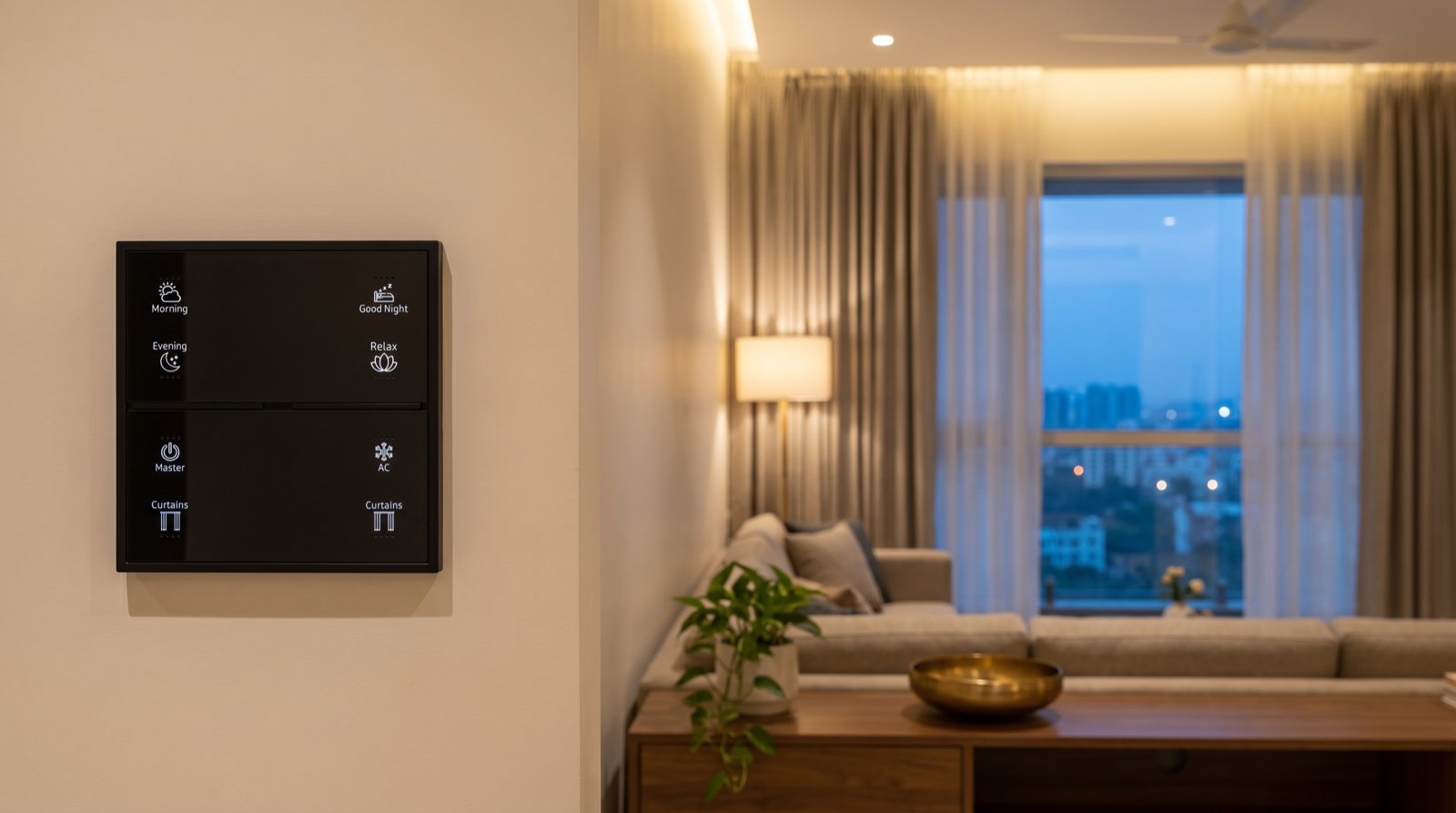
What works from 8,000 km away, what still needs someone on the ground, and how to design a Hyderabad smart home that stays secure and looked-after for months without you.
Read Article →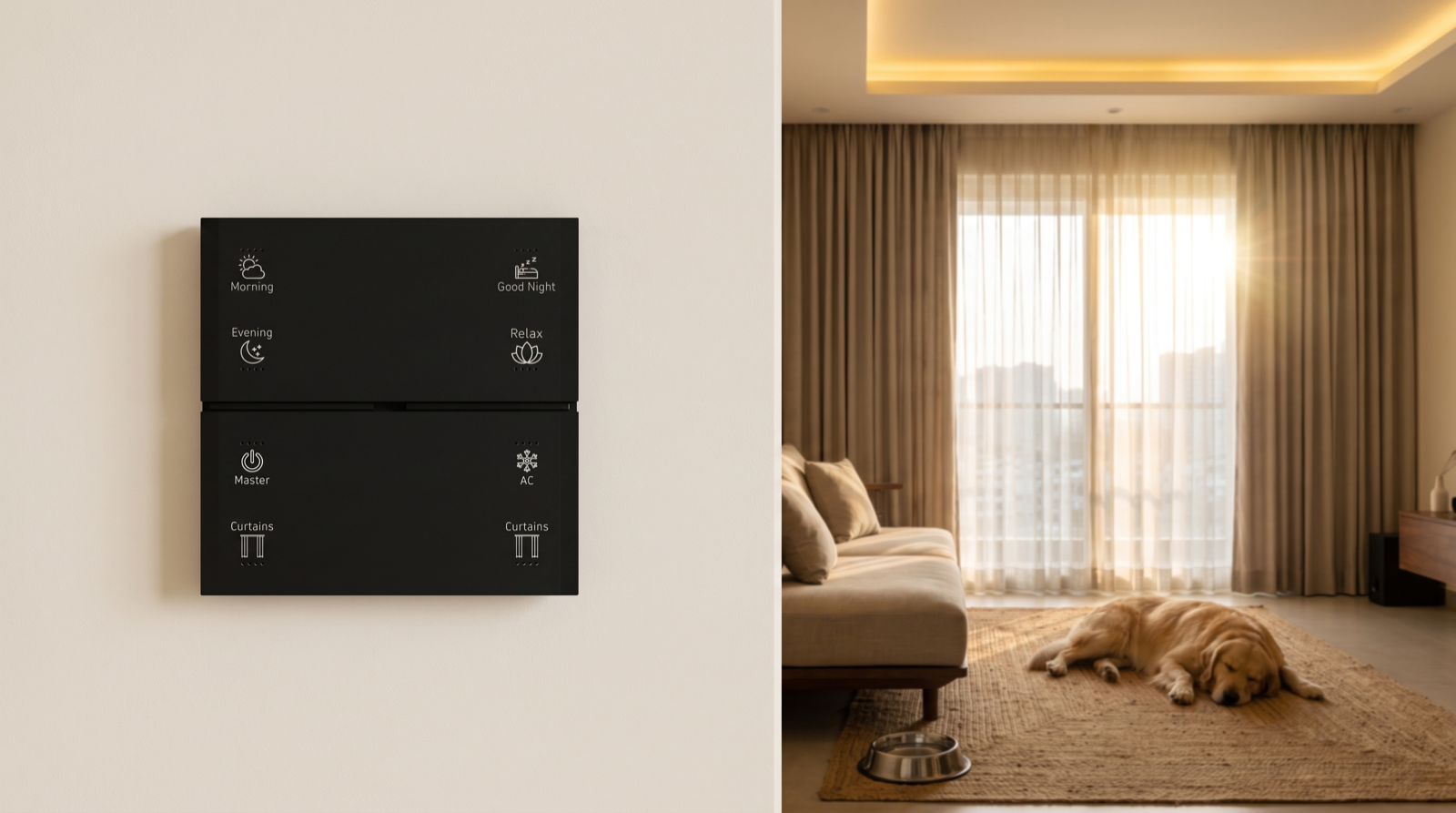
Motion sensors that ignore the dog, an away mode that knows the cat is home, heat-safe afternoons and walk-time lighting: how to design automation for a home with pets.
Read Article →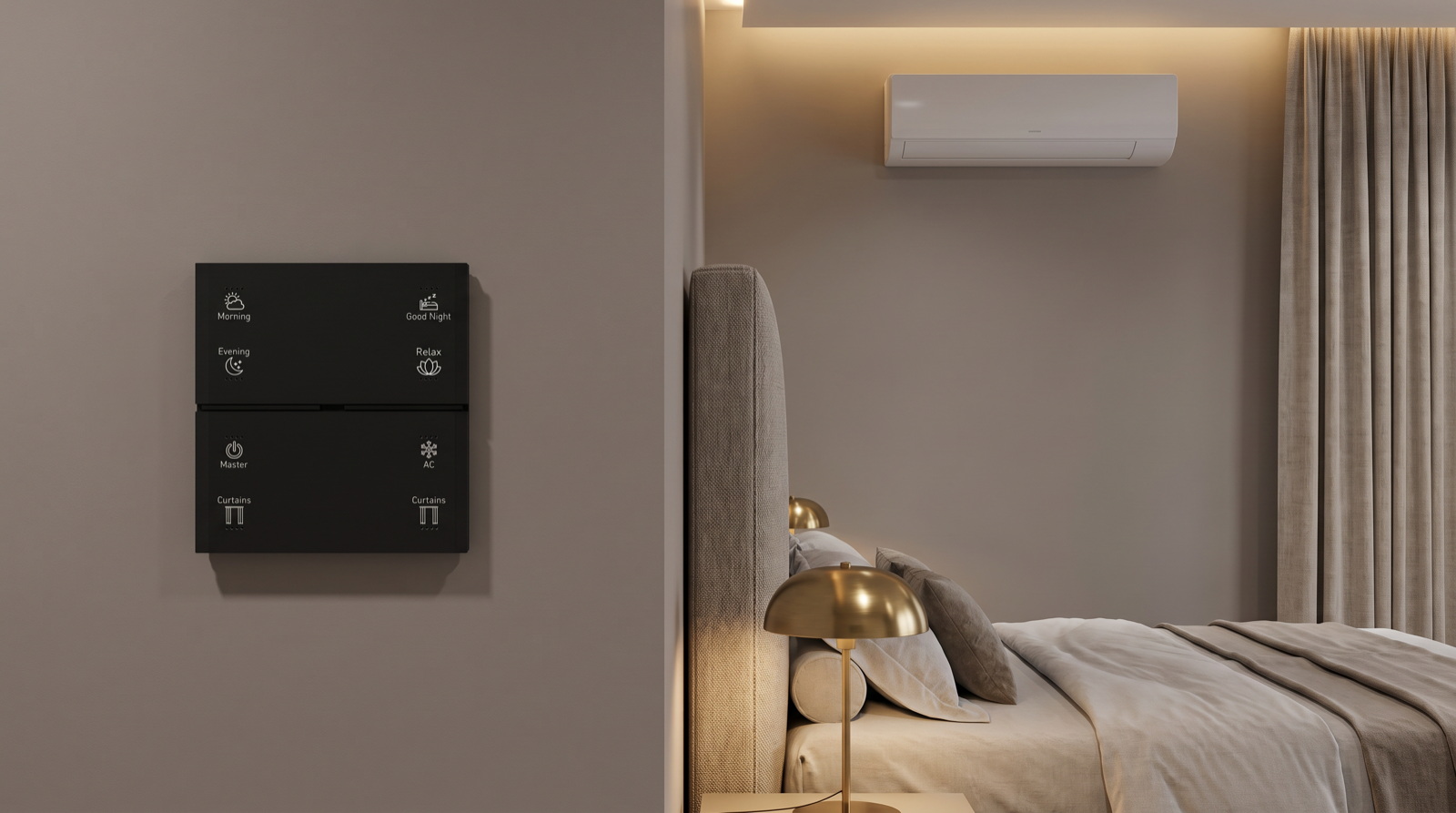
What an IR blaster really sends, why AC control is one-way, where to place blasters, and how to build the AC into Good Night, Leaving and summer-afternoon automations.
Read Article →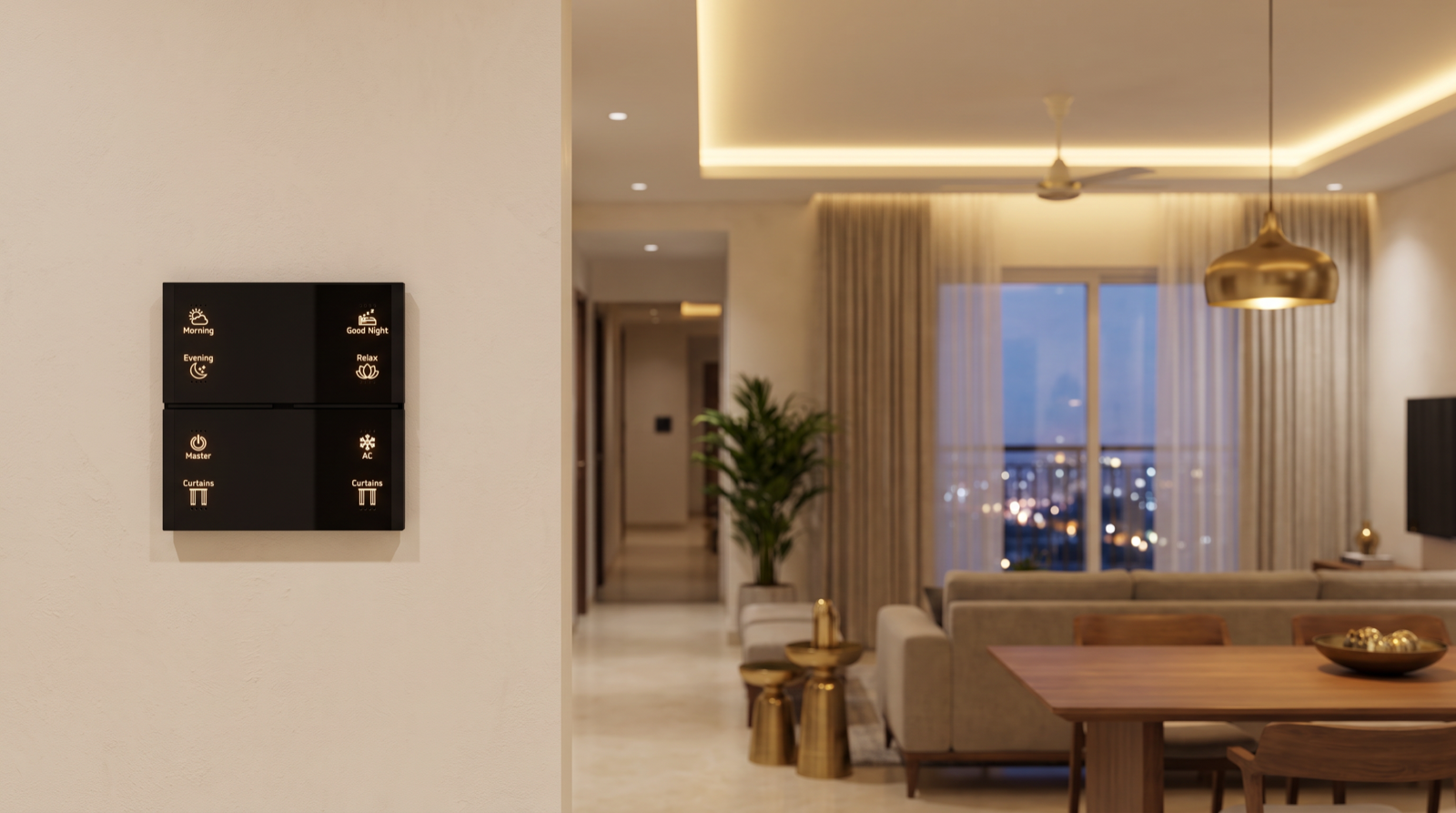
A room-zone-device naming pattern, good and bad name examples, voice-friendly rules for Alexa and Google, scene names that match keypad engraving, and the naming schedule you should get at handover.
Read Article →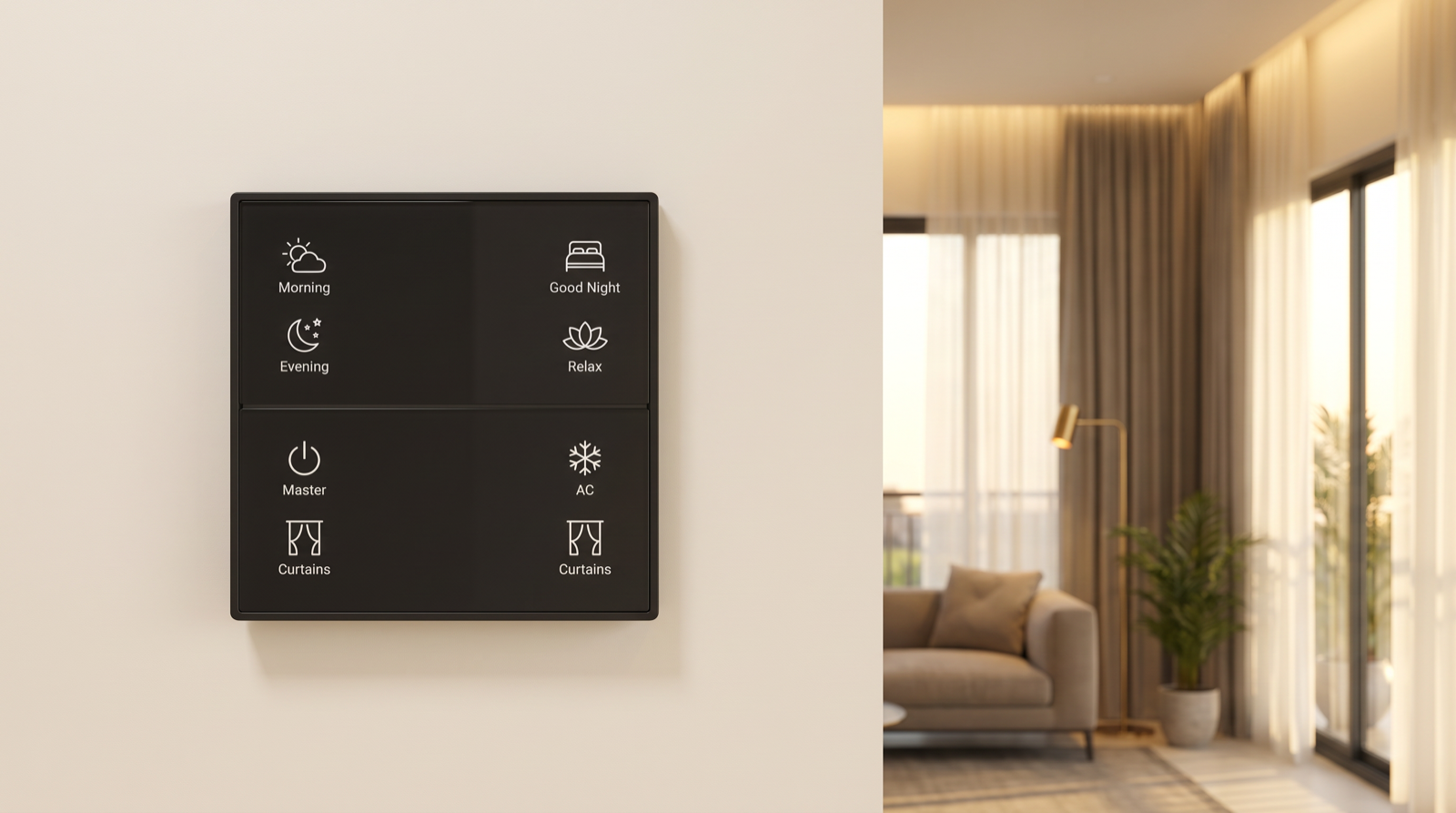
End-limits, percentage positions, one-button open/stop/close, sheer and blackout layers in scenes, sun and sensor rules, and what happens when something is in the way.
Read Article →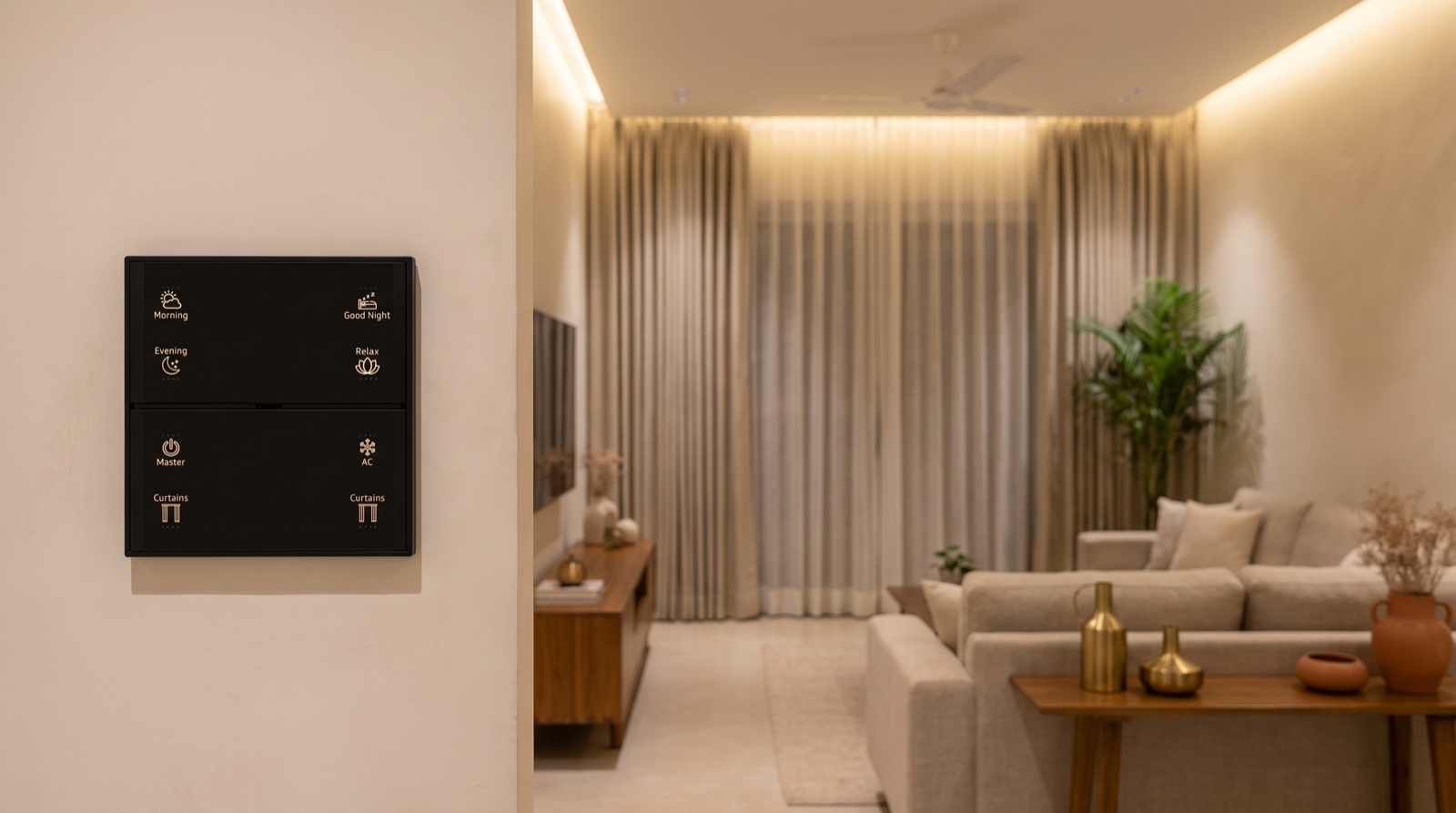
Faulty or just offline? What keeps working when a keypad, dimmer, motor or the gateway fails, and how a designed system swaps a part without rebuilding your scenes.
Read Article →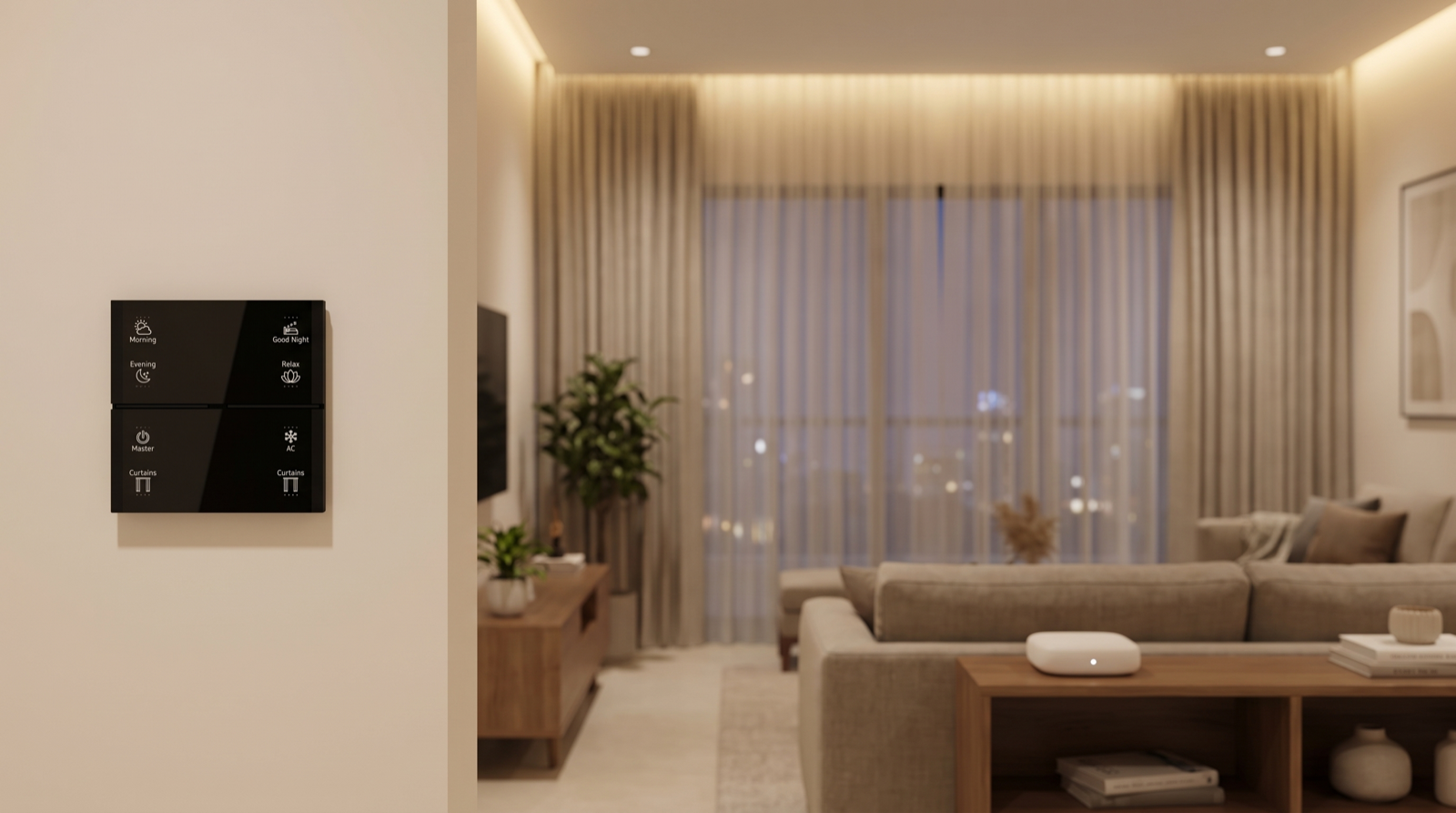
Where smart homes really get compromised, how Zigbee encryption protects the radio, and a 15-point checklist for routers, accounts, cameras and smart locks.
Read Article →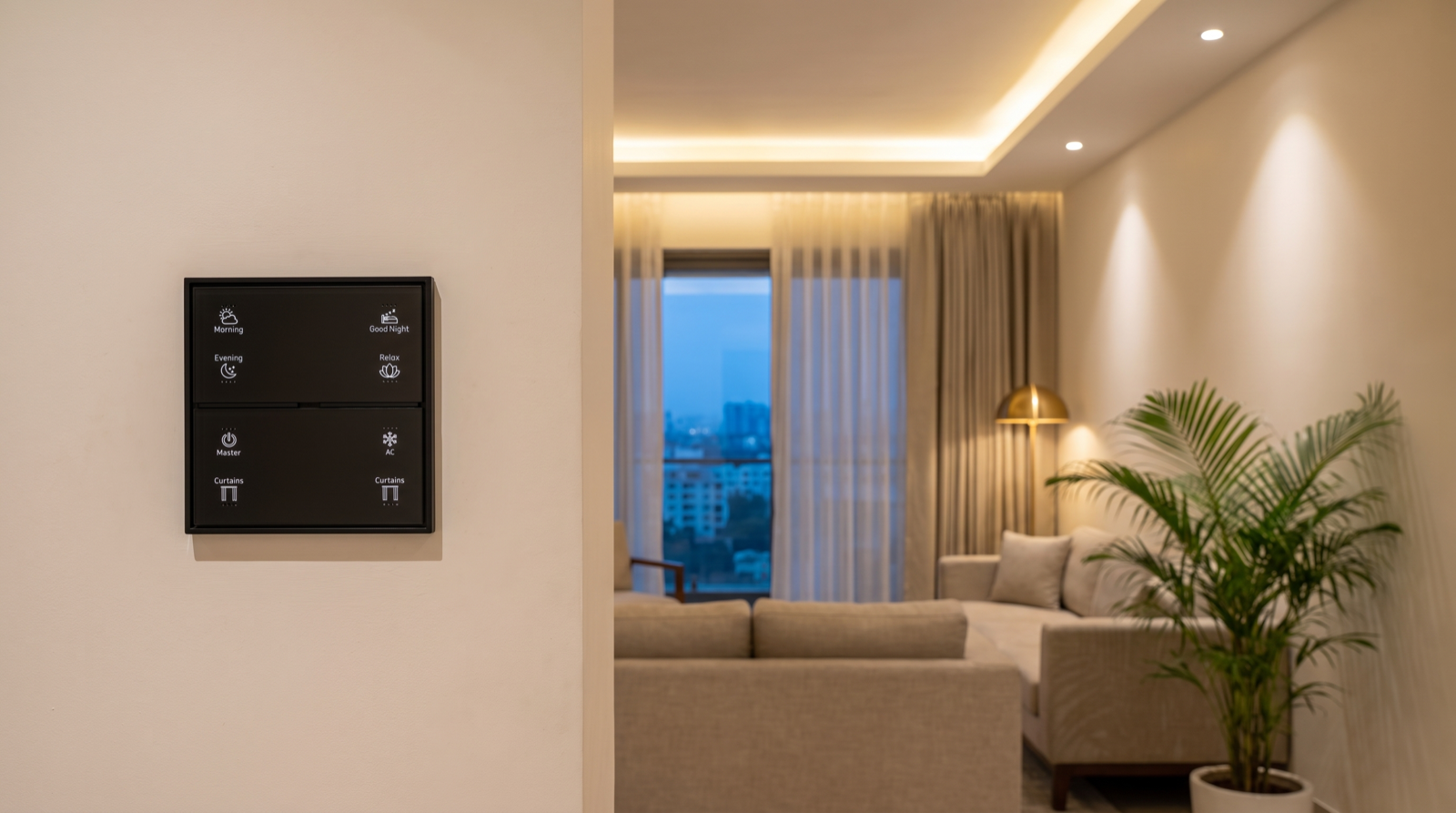
Why the app says a light is off when it is on, what a keypad LED should really mean, which devices can only estimate their state, and how a designed system stays in sync after a power cut.
Read Article →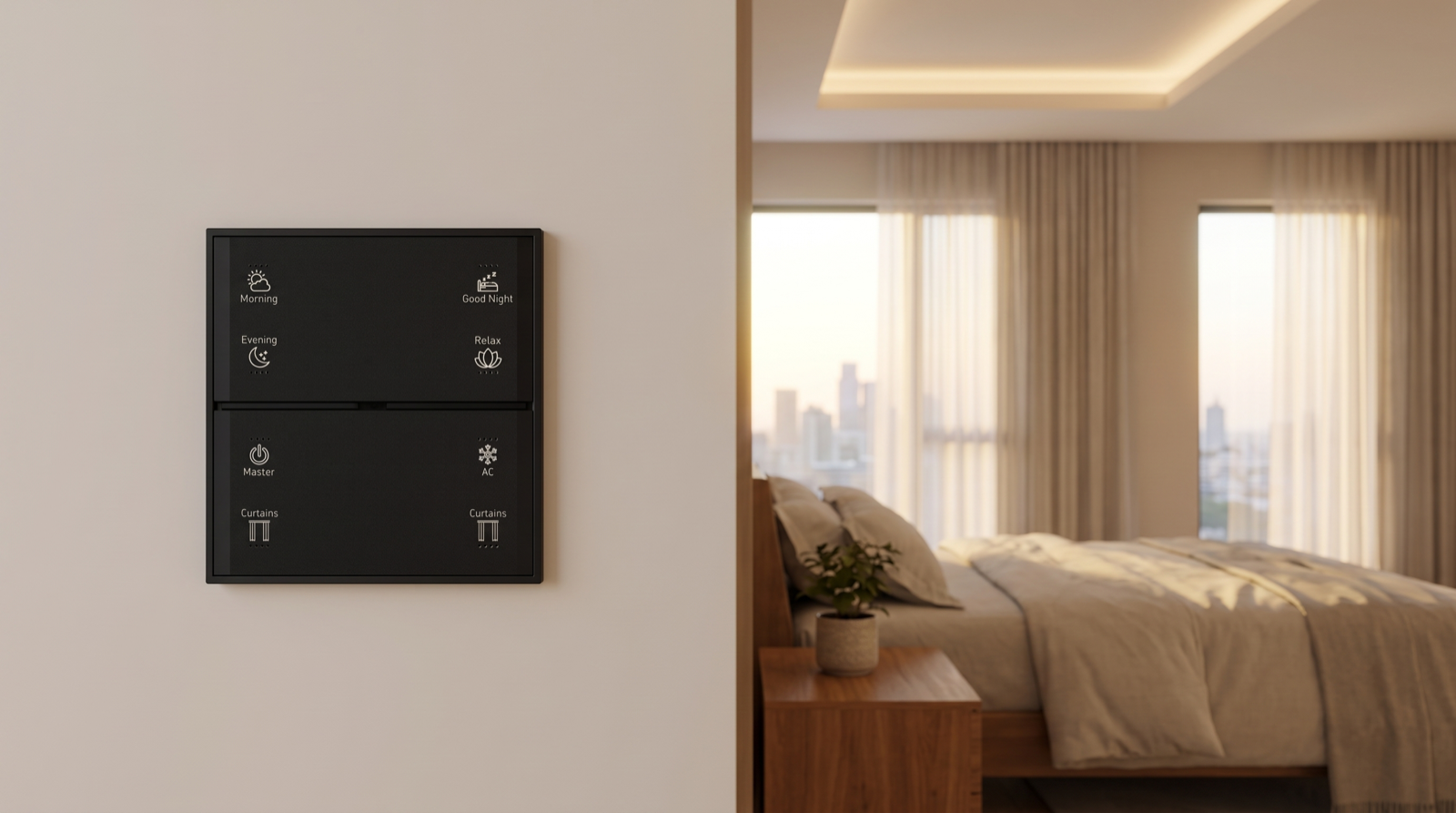
A good morning is a sequence, not a switch. Worked wake-up and Good Night routines with real timings, the right triggers, door checks, night path lighting, holiday calendars and different wake times per bedroom.
Read Article →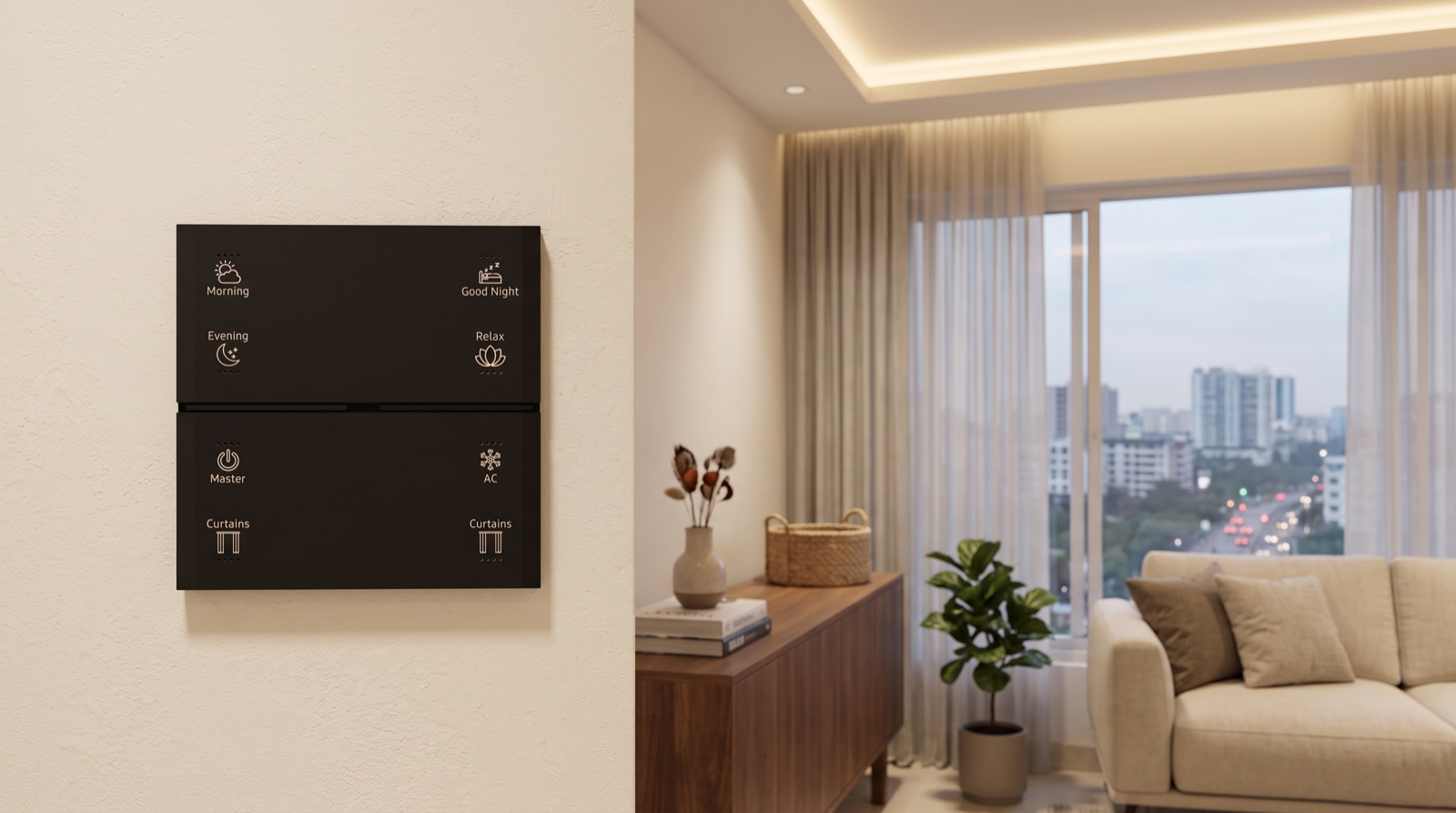
Handover gives you a smart home that works; living in it shows how it should behave. The eight settings that usually need adjusting, a friction log, a 90-day tuning plan, seasonal changes for Hyderabad, and what not to touch.
Read Article →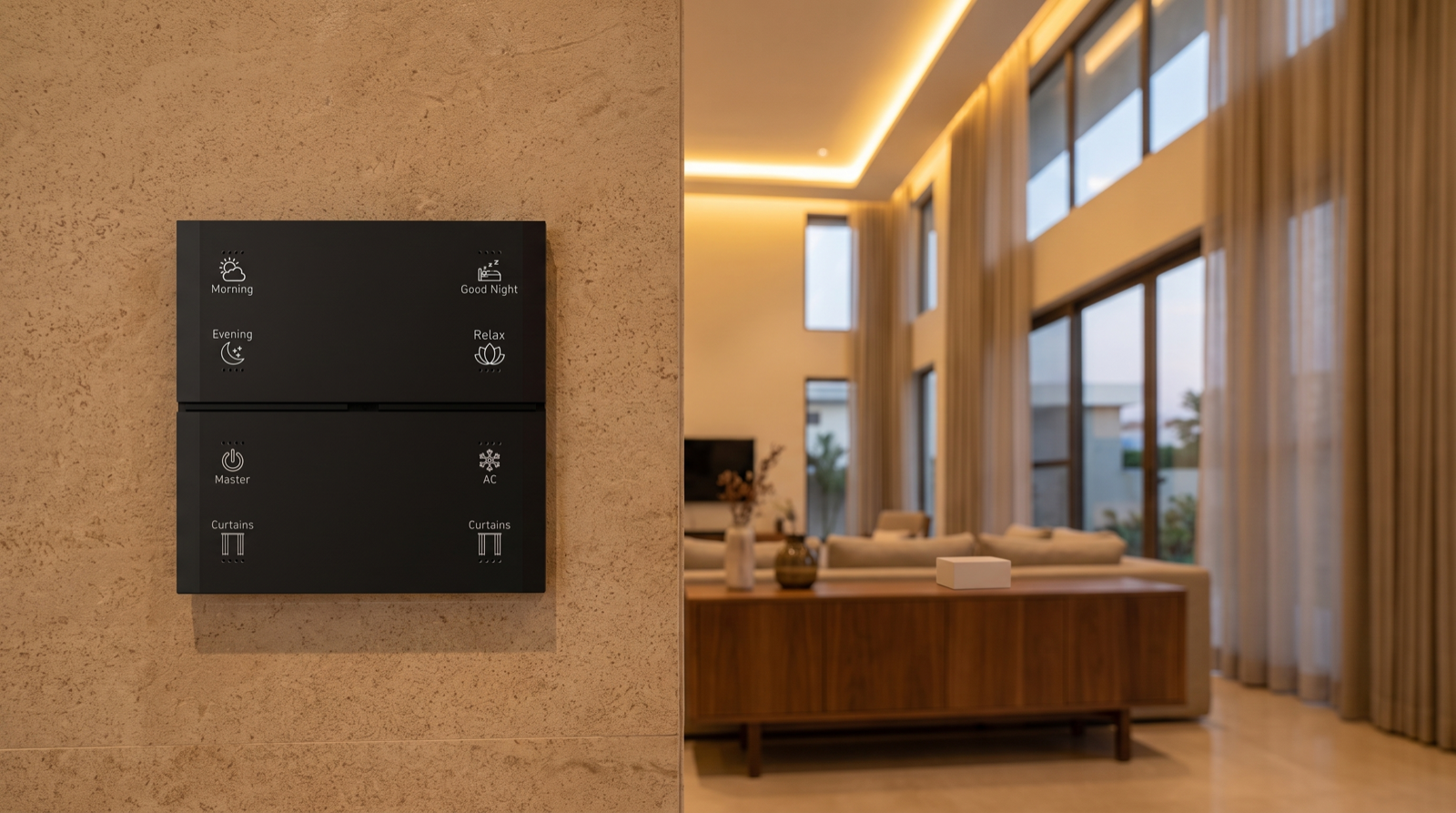
A published device limit is only the start. The three constraints that decide how big a home automation system can grow, routers versus battery sensors, illustrative device counts for flats and villas, and how to plan headroom.
Read Article →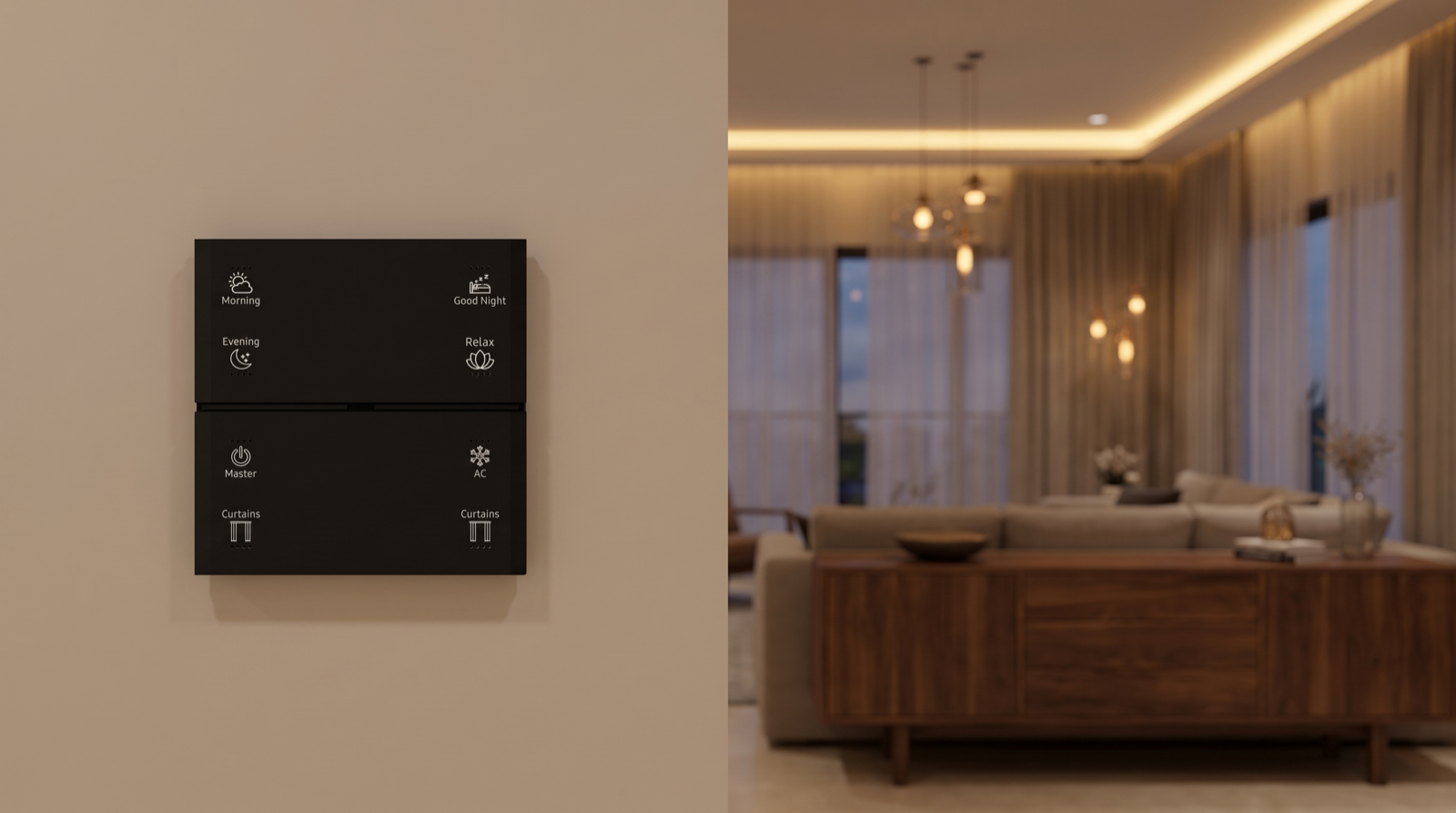
A schedule, a sensor and a keypad press disagree. How a designed system decides who wins: overrides, priorities, hold times and cooldowns.
Read Article →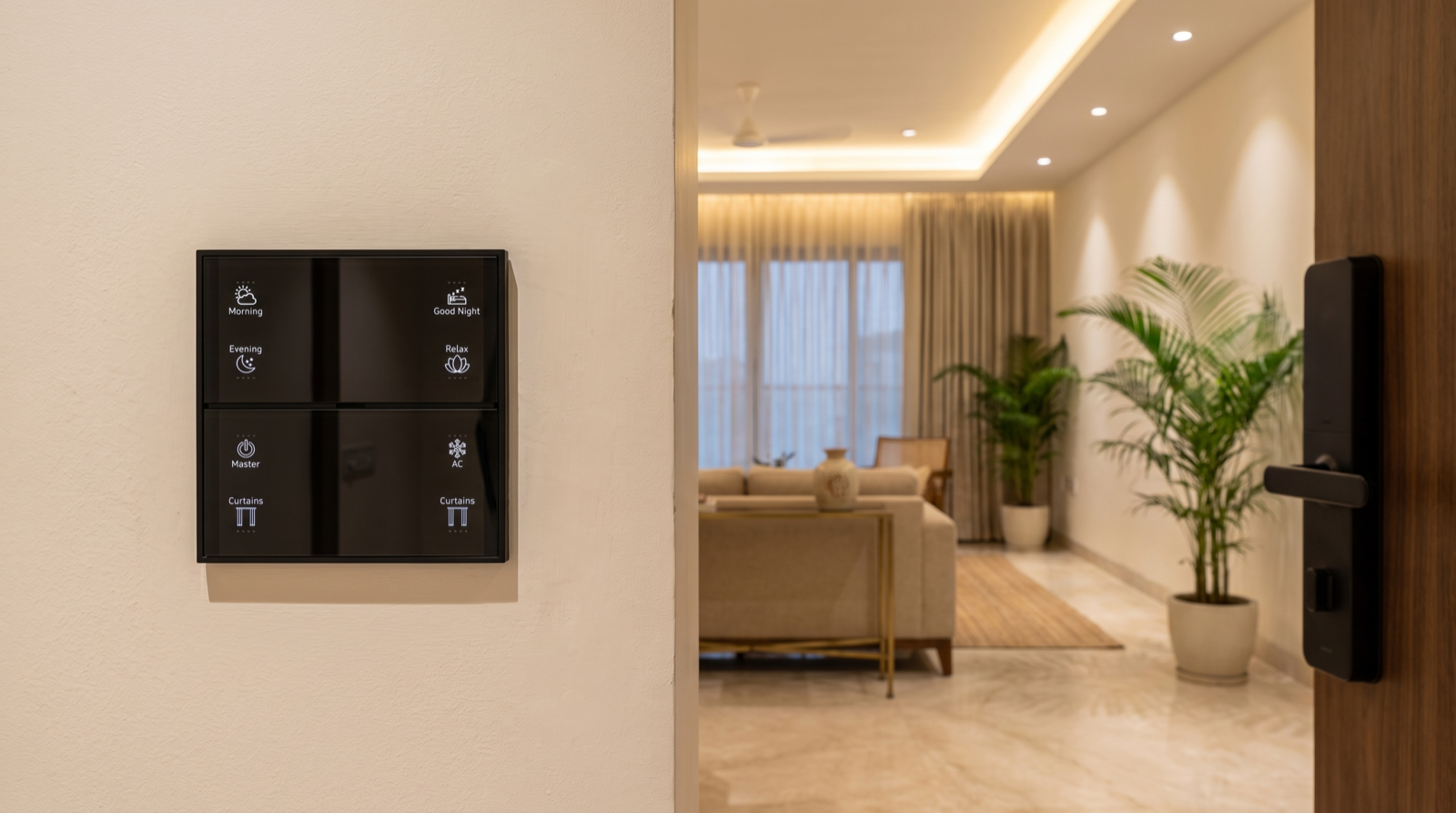
Who gets the app, who only needs a keypad, who gets a time-limited door code, and how to take access back cleanly when someone leaves: an access plan for a Hyderabad smart home.
Read Article →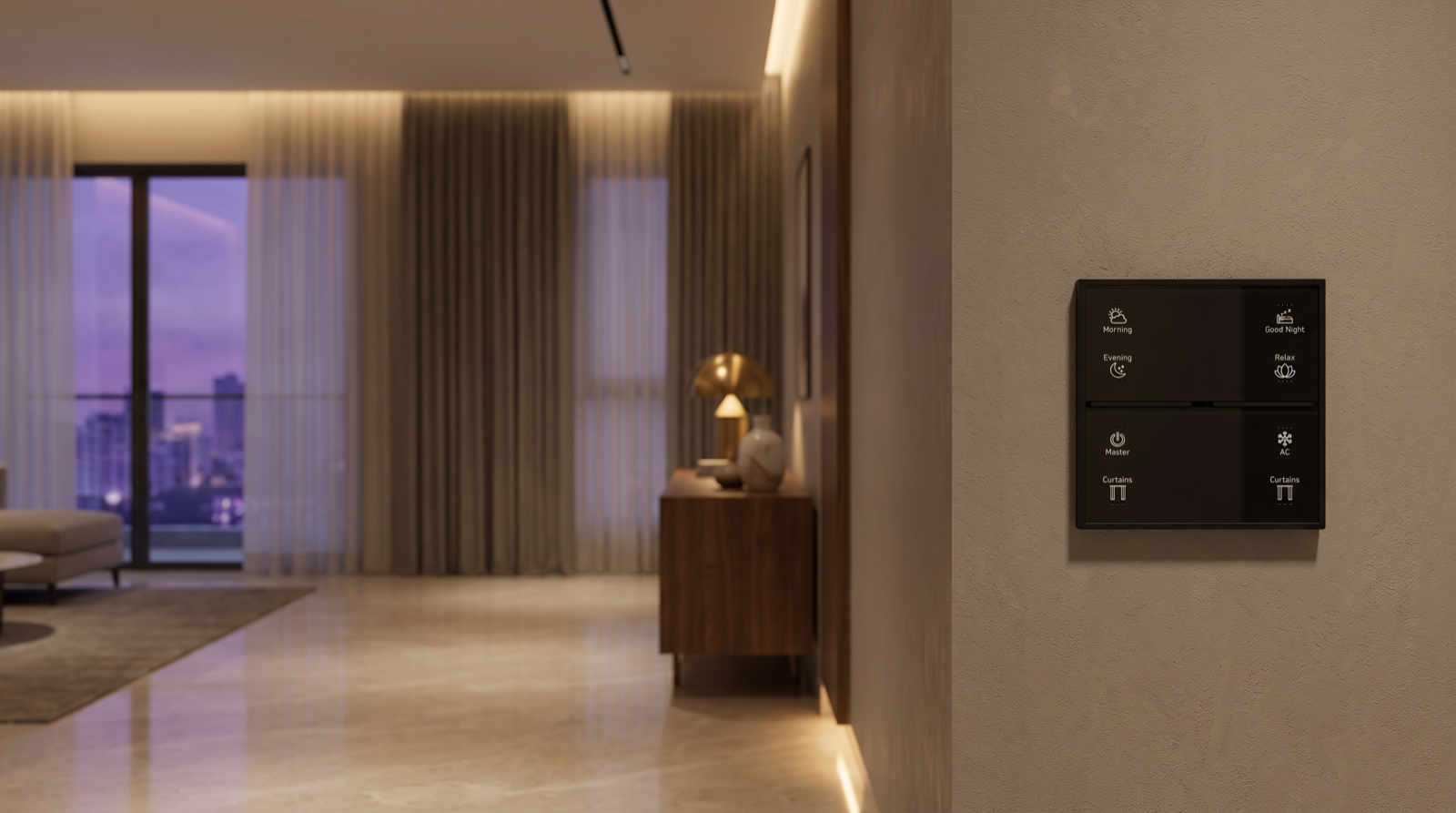
Why the same sensor should behave differently at 2pm, 2am and while you are away: the seven house modes most homes need, a worked mode matrix, and how modes are switched.
Read Article →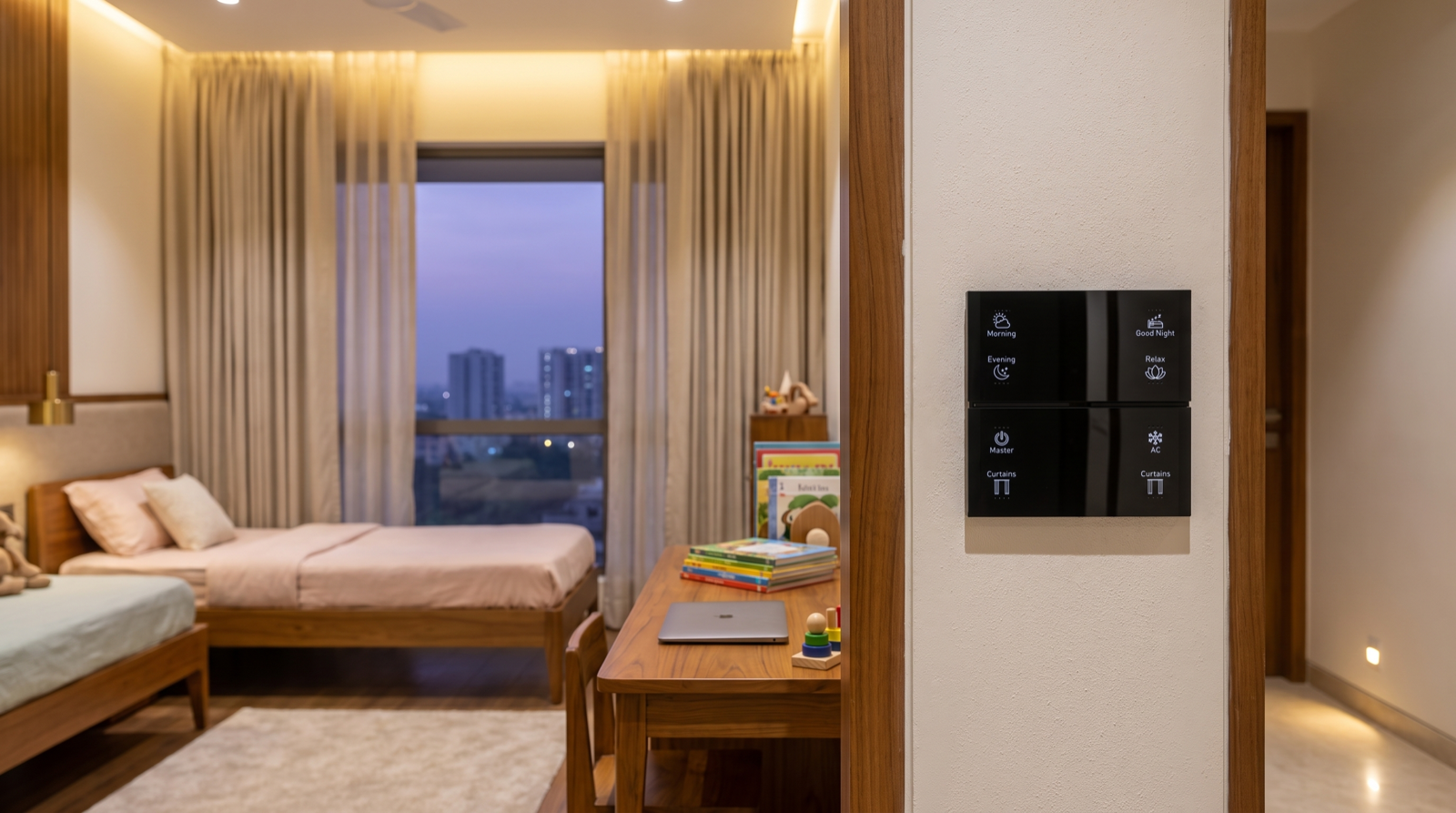
Night path lighting, balcony and main-door sensors, cord-free curtains, child-height keypads and routines that run the school day: how to design automation for a home with small children.
Read Article →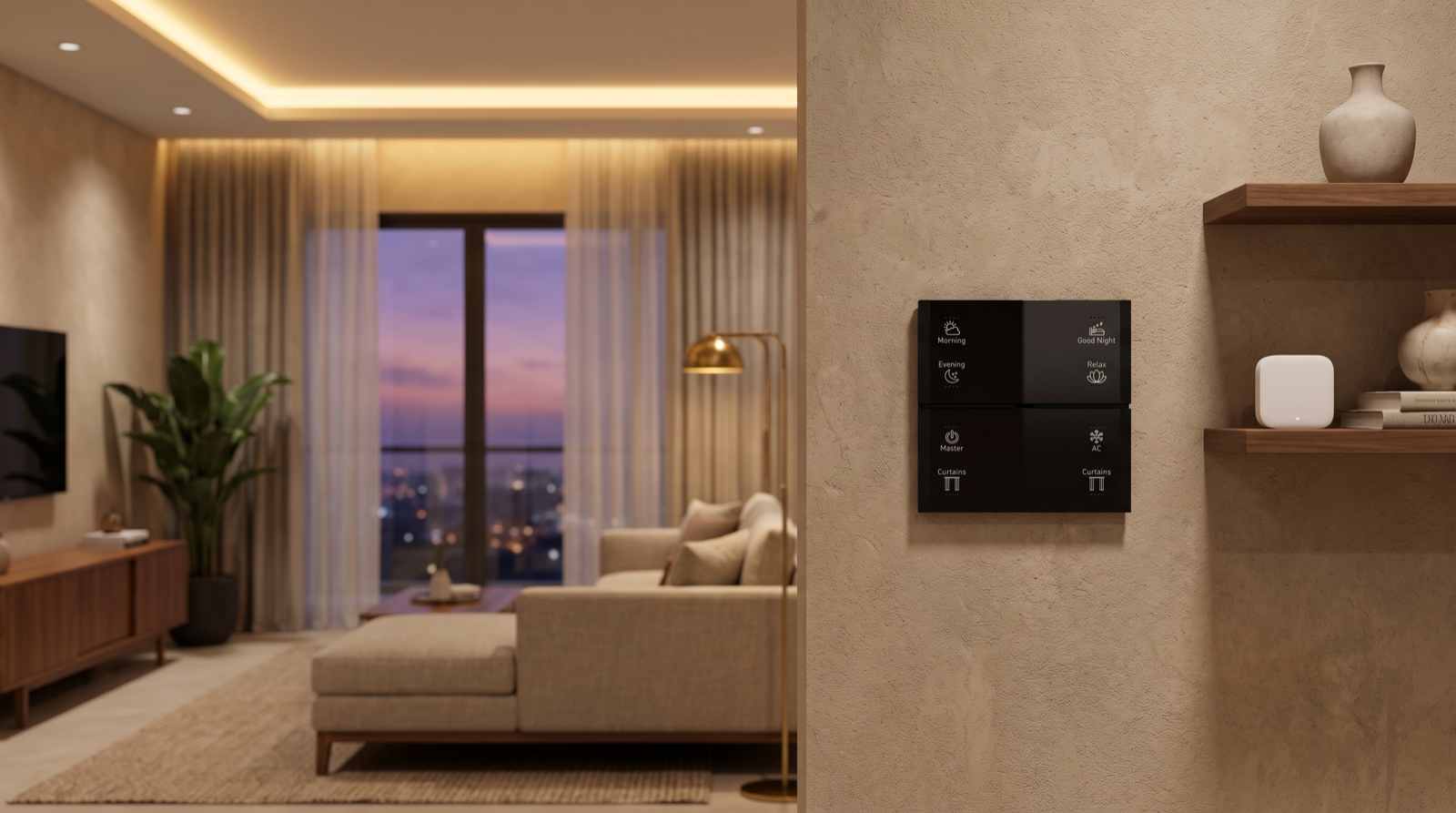
The five jobs a smart home gateway does, where to place and power it, and exactly what keeps working when the internet, the Wi-Fi router or the gateway itself goes down.
Read Article →
The signs a home has outgrown app-by-app smart devices, what to keep, replace or repurpose, and a room-by-room plan to one system with keypads, scenes and local control.
Read Article →
Why a fixed 6:30pm timer is wrong for half the year in Hyderabad, and how sunset offsets, clamps, calendars and modes make scheduled routines feel right every day.
Read Article →
Lights that ripple on one by one, curtains that ignore a scene, rules that stop after a power cut: how to tell whether the device, the network or the rule is at fault.
Read Article →
Staircases without traveller wires, rooms that change all at once, and a master-off that never switches off the fridge or Wi-Fi: how to plan which button controls what.
Read Article →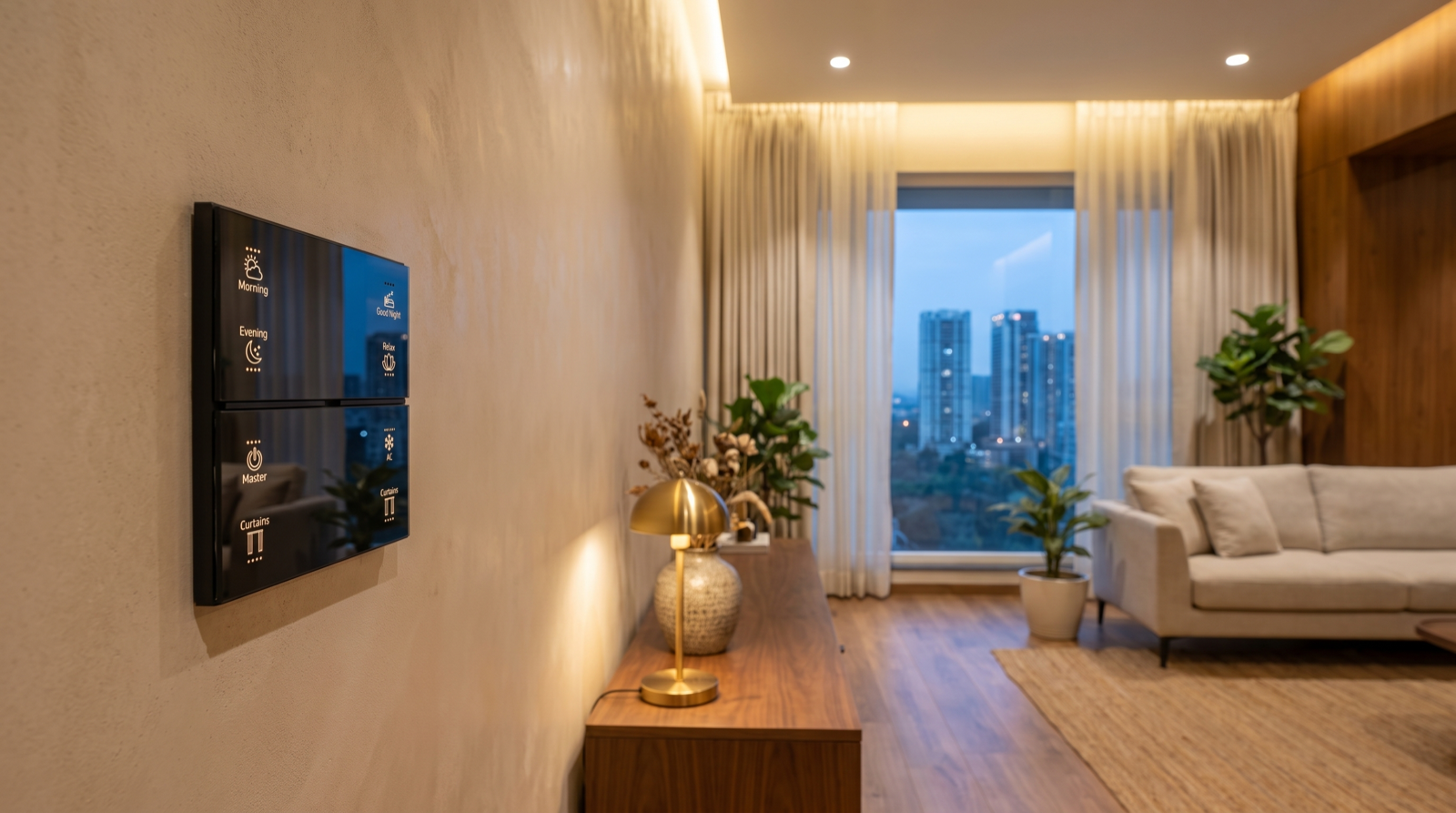
Range through RCC walls, crowded 2.4GHz in apartment towers, 30 lights switching together and what works offline: an honest comparison of smart home protocols for an Indian home.
Read Article →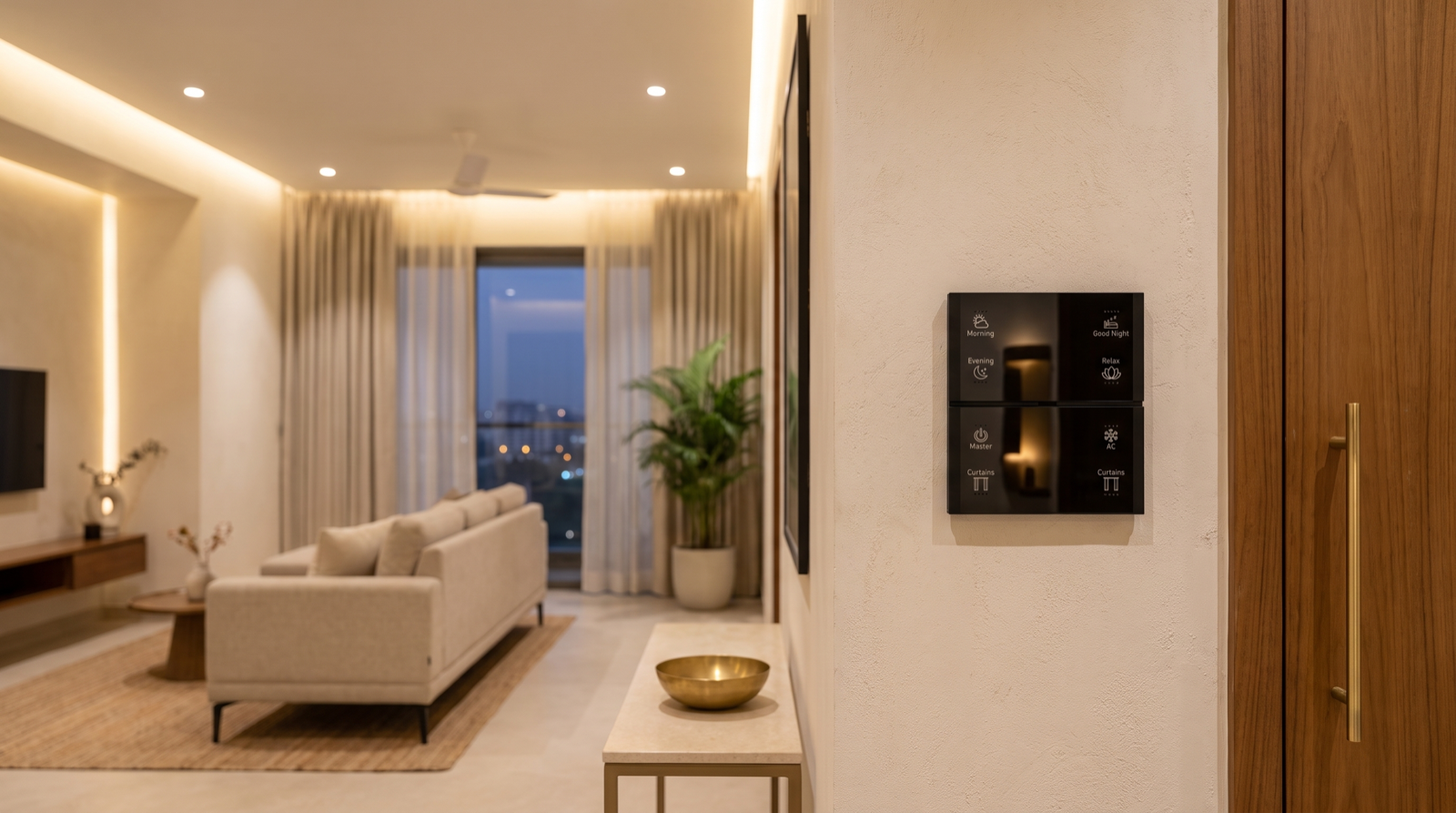
Critical, actionable or just a log entry? Twelve worked alerts for a Hyderabad home, plus the modes, delays, cooldowns and escalation that keep a smart home from being muted.
Read Article →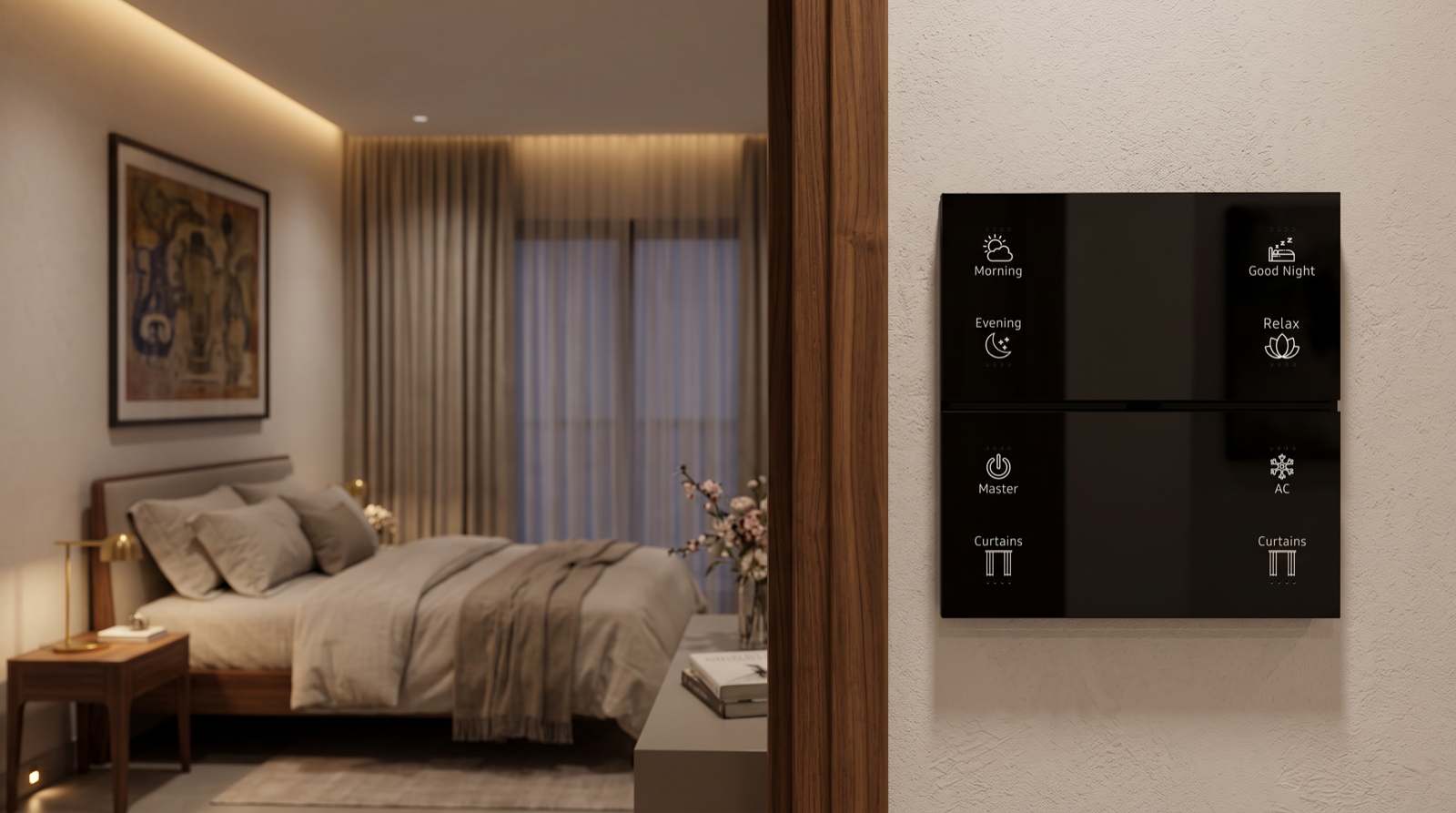
Which sensor goes where, timeouts that never leave you in the dark, eight worked automations for a Hyderabad home, and how modes and manual override stop rules from fighting.
Read Article →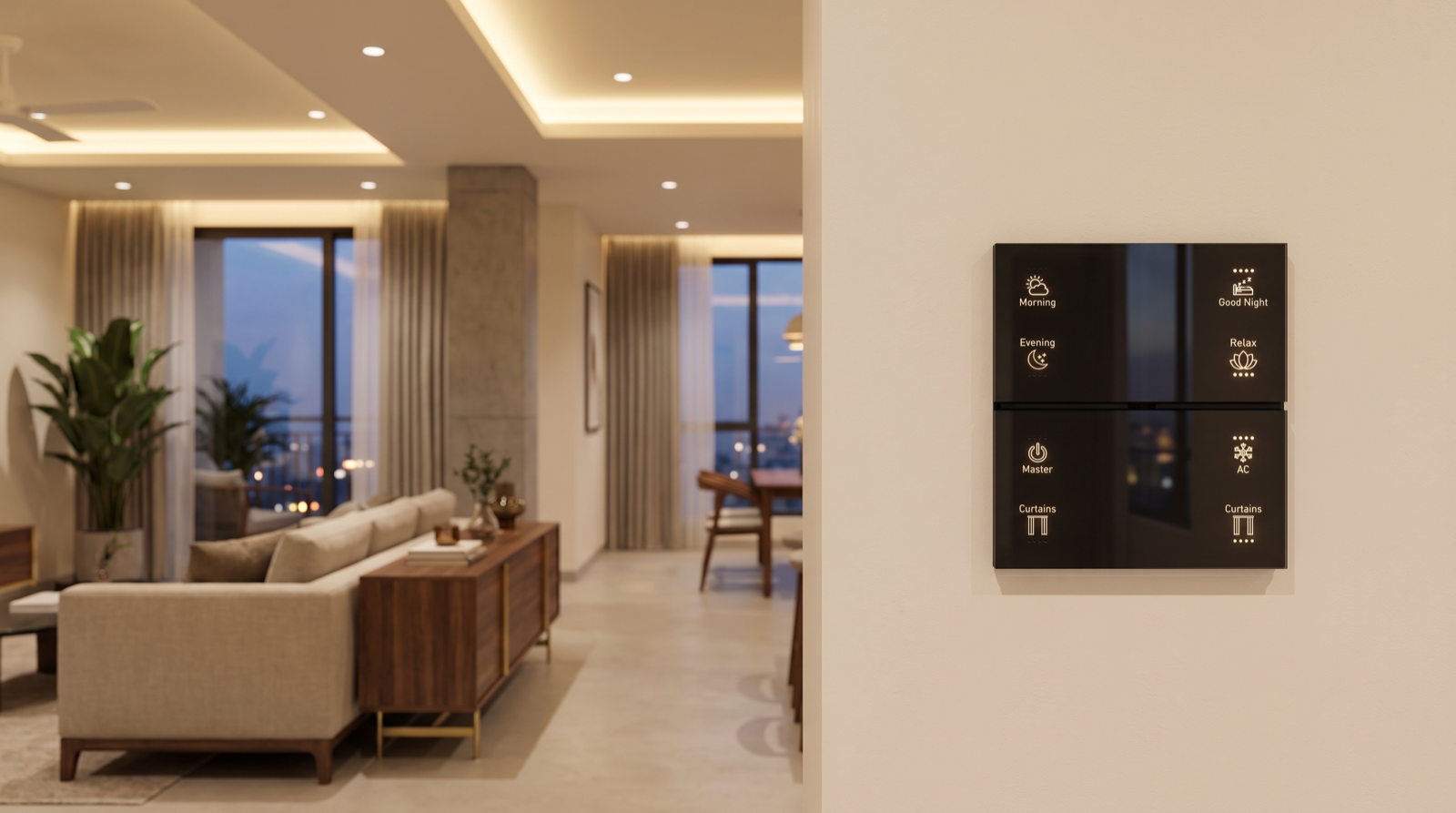
Coordinator, routers and battery sensors explained, what concrete slabs and Wi-Fi do to the mesh, channel planning, worked layouts for a 3BHK and a G+2 villa, and how to diagnose a weak link.
Read Article →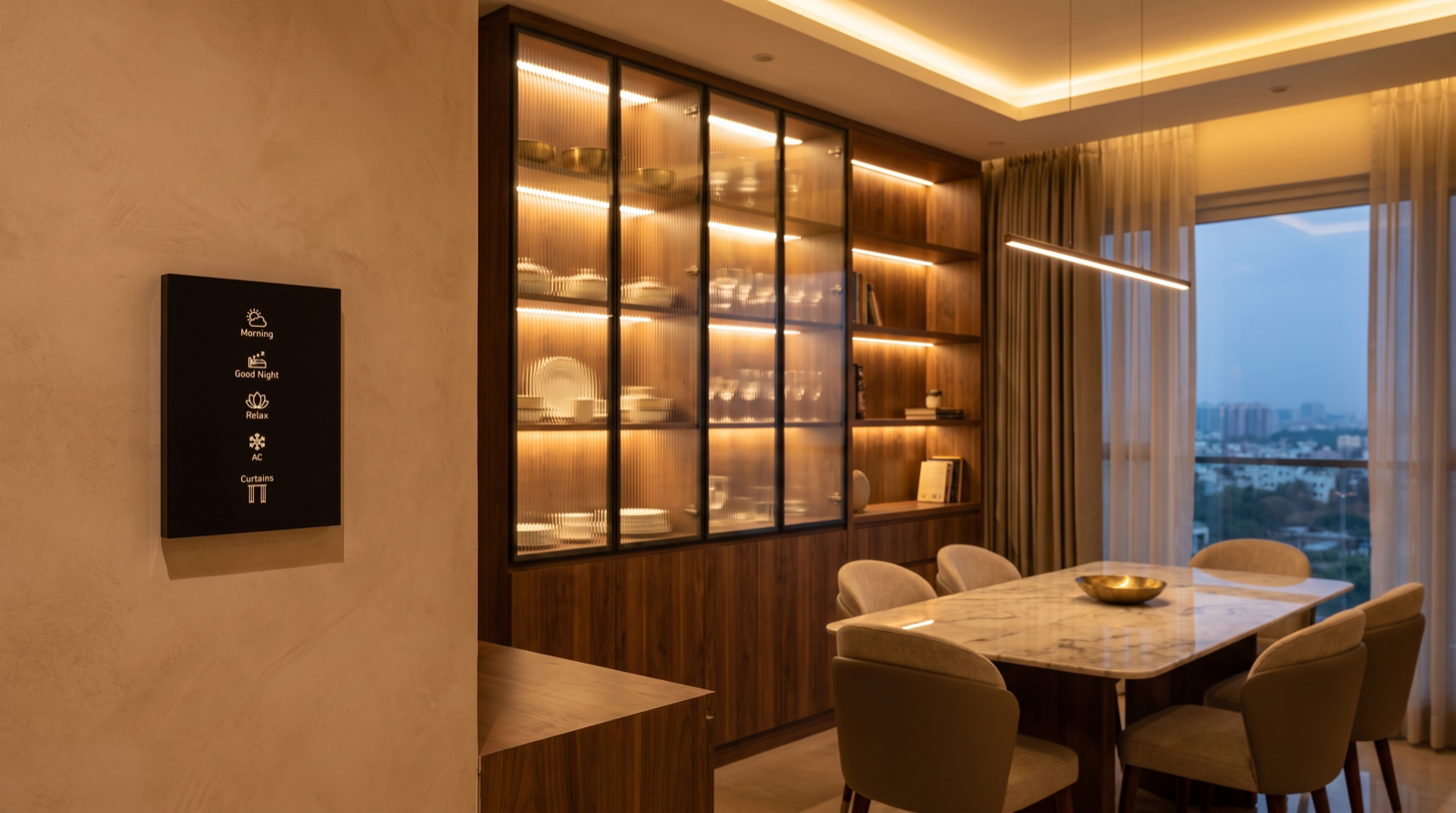
Where the light goes for each unit type, the strip, profile and groove sizes the carpenter needs, CCT and wattage, 24V drivers you can actually reach, and how to put built-in lighting on a keypad and into scenes.
Read Article →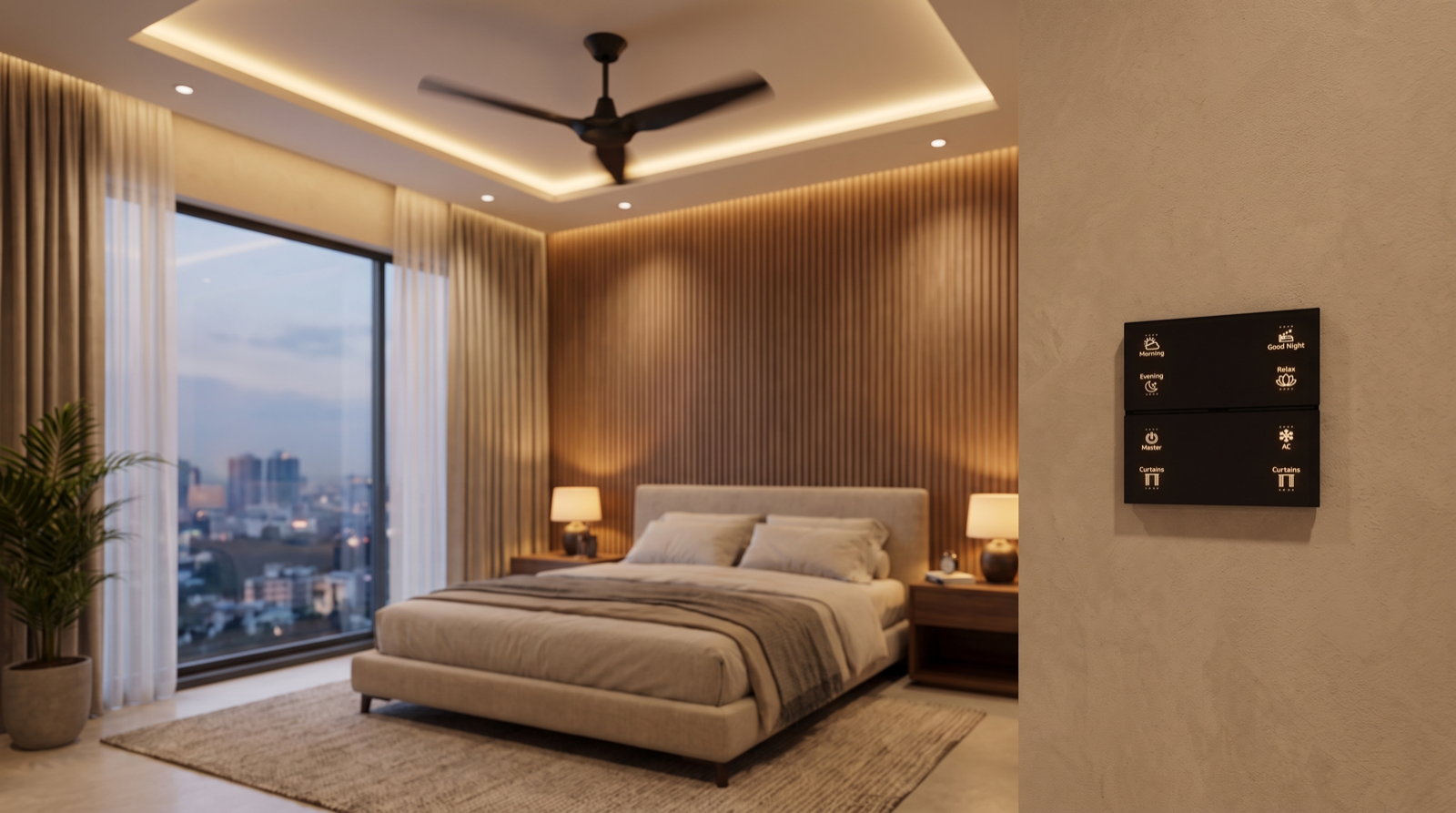
Fan sweep against room size, the heights and clearances that matter, why downlights inside the blade circle strobe, why a BLDC fan must never meet a triac regulator, and how to get fan speed onto a keypad and into scenes.
Read Article →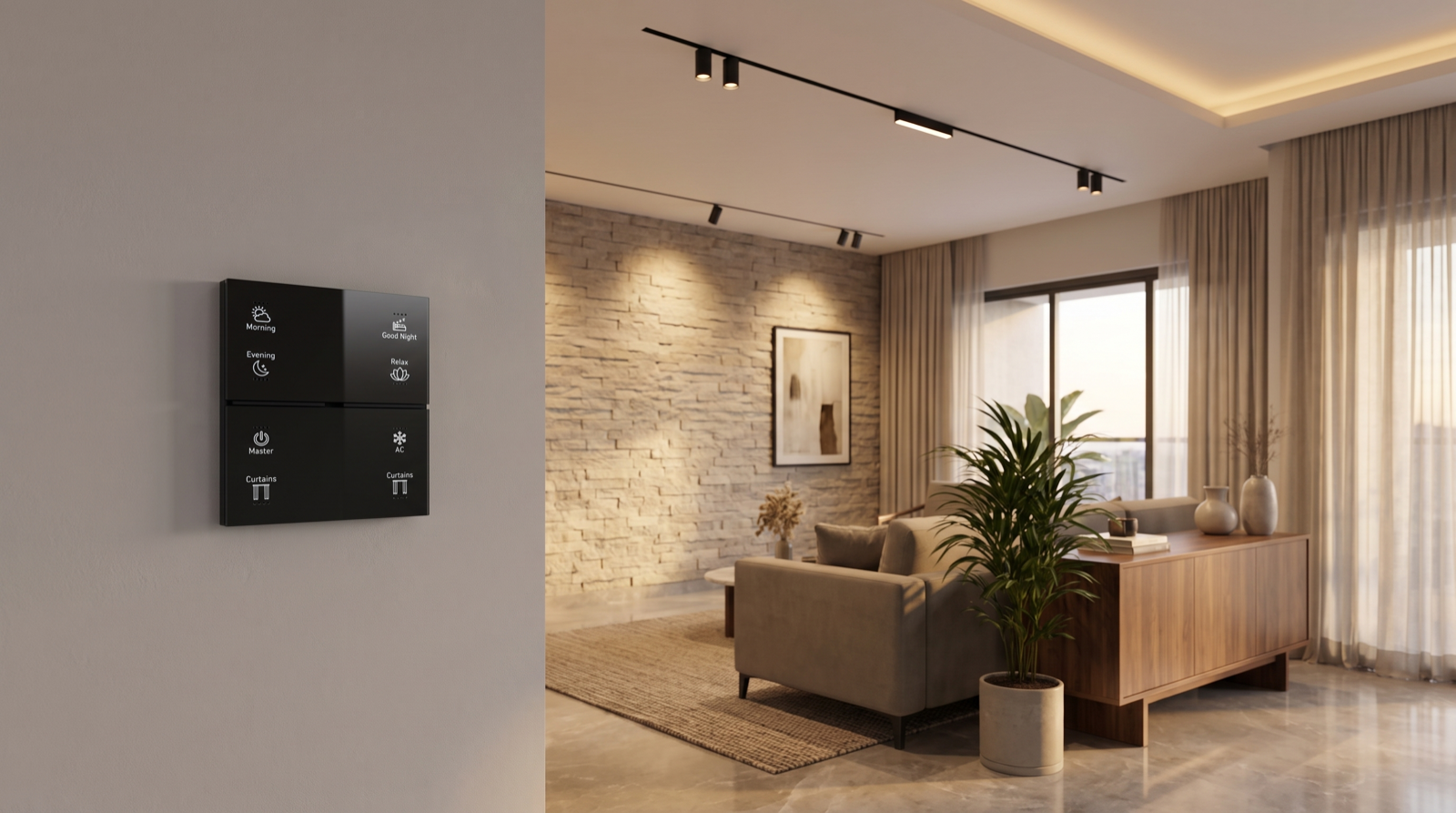
Recessed, surface or suspended and the cutout numbers for each, the five module families that do all the work in a home, watts per feed and why long runs go dim at the far end, and the layout rules that keep a track looking architectural instead of like a showroom.
Read Article →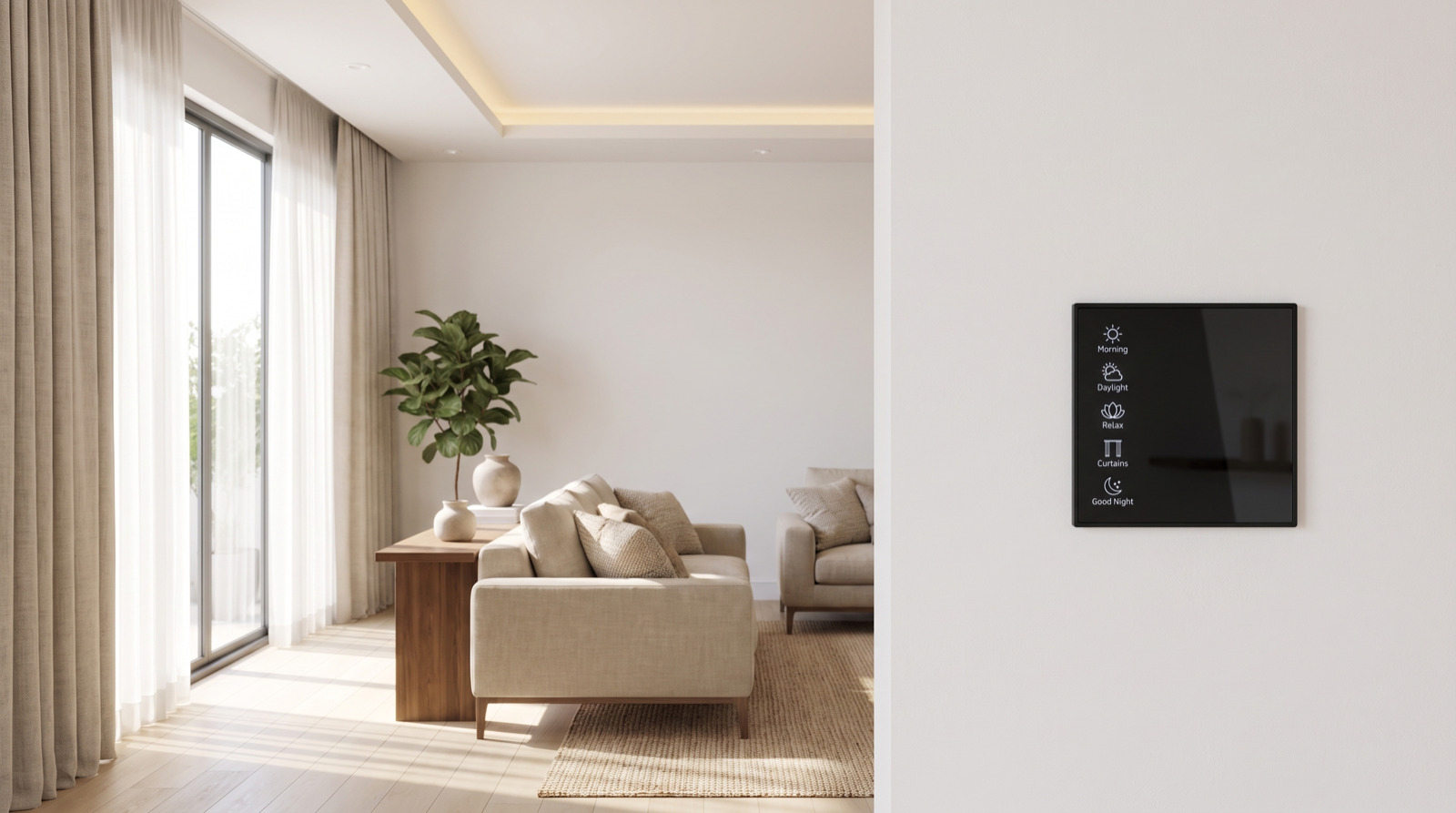
How deep daylight really reaches into a room, what a west window does at 4pm in May, how to split lighting into daylight bands, and the lux thresholds and curtain positions that let a Hyderabad home shade and dim itself all day.
Read Article →
How high to mount the screen, how dim and what colour a bias light should be, how to keep downlights and windows out of the screen's reflection, how to light fluted panels and consoles, and the TV and Movie scenes that set it all at one touch.
Read Article →
Where the panel can and cannot go, how many DIN modules a 2BHK, 3BHK or villa actually needs, why 25 percent spare width and 200mm of depth are the cheapest insurance in the project, and the labelling that turns a fault into a twenty-minute visit.
Read Article →
What RGB, RGBW and RGBCCT actually deliver, the channels and cable cores each one needs before the ceiling closes, the 10 percent of a home where colour earns its place, and the saturation and fade values that separate a designed accent from a showroom floor.
Read Article →
Why a bright room can still feel harsh, and how to fix it on paper. The 30-degree cut-off rule, recess depth and anti-glare trims, UGR targets by room, setbacks from beds, sofas and televisions, reflected glare on screens and glossy floors, and the dimming that finishes the job.
Read Article →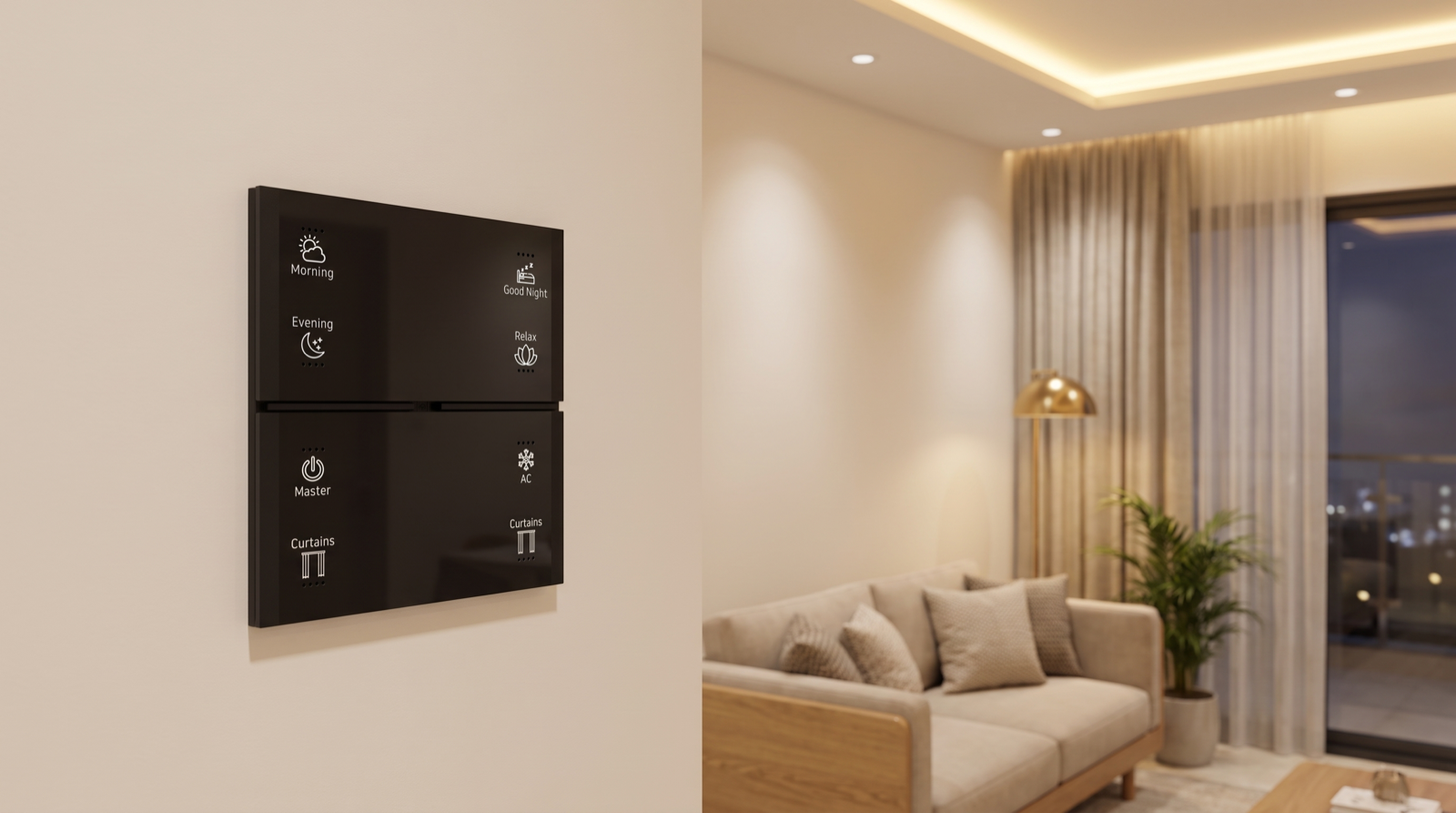
Automating a finished home without breaking walls. Three retrofit routes, the five checks behind every switch plate, what to do when there is no neutral, two-way circuits and heavy loads, dimming existing lights, and when to swap plates for scene keypads.
Read Article →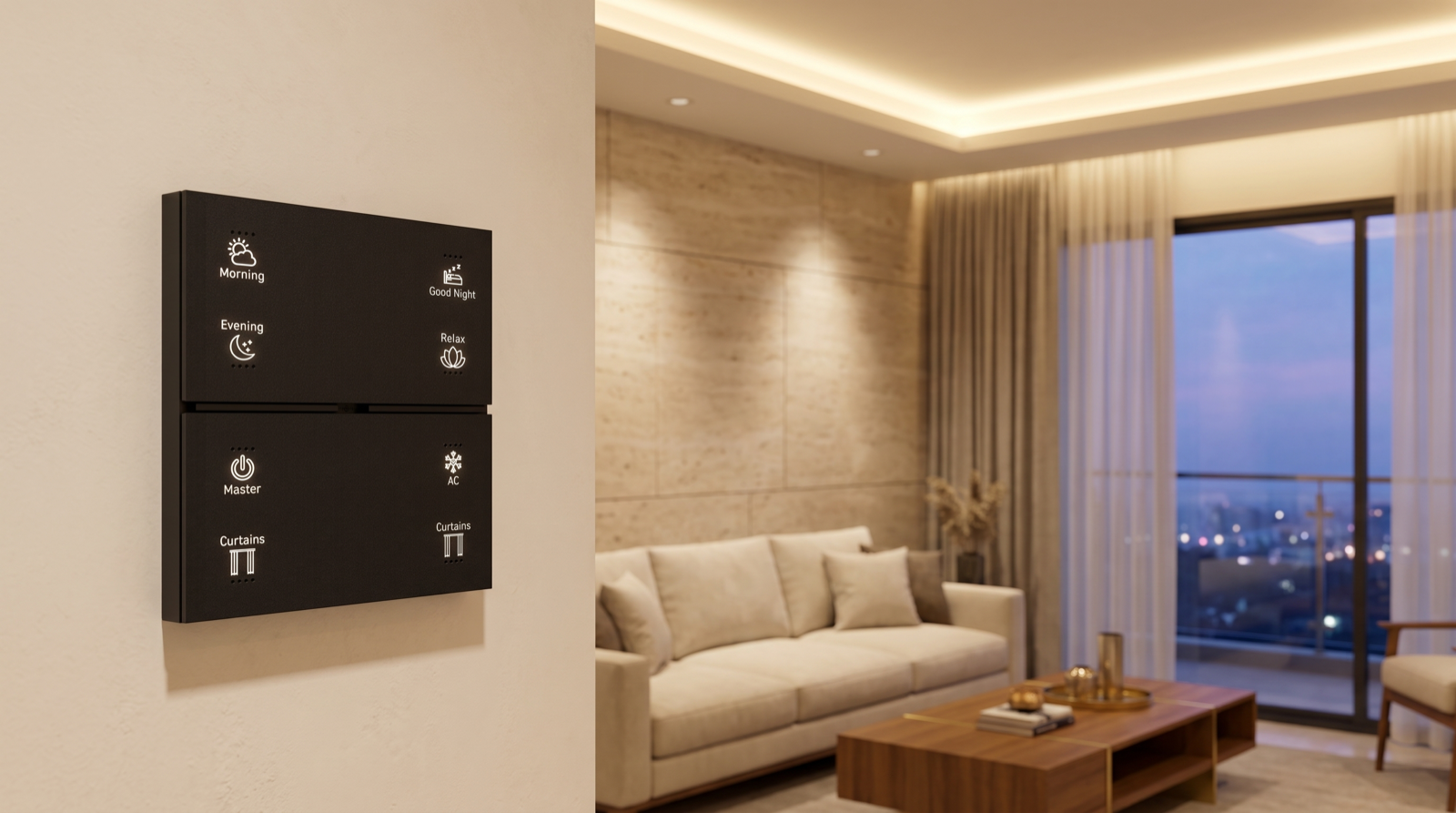
Tunable lights stuck at one colour are wasted money. An eight-stage schedule tied to sunrise and sunset, with the Kelvin, dim level and fade for each stage, which rooms should follow it, and the override rules that keep a family from switching it off.
Read Article →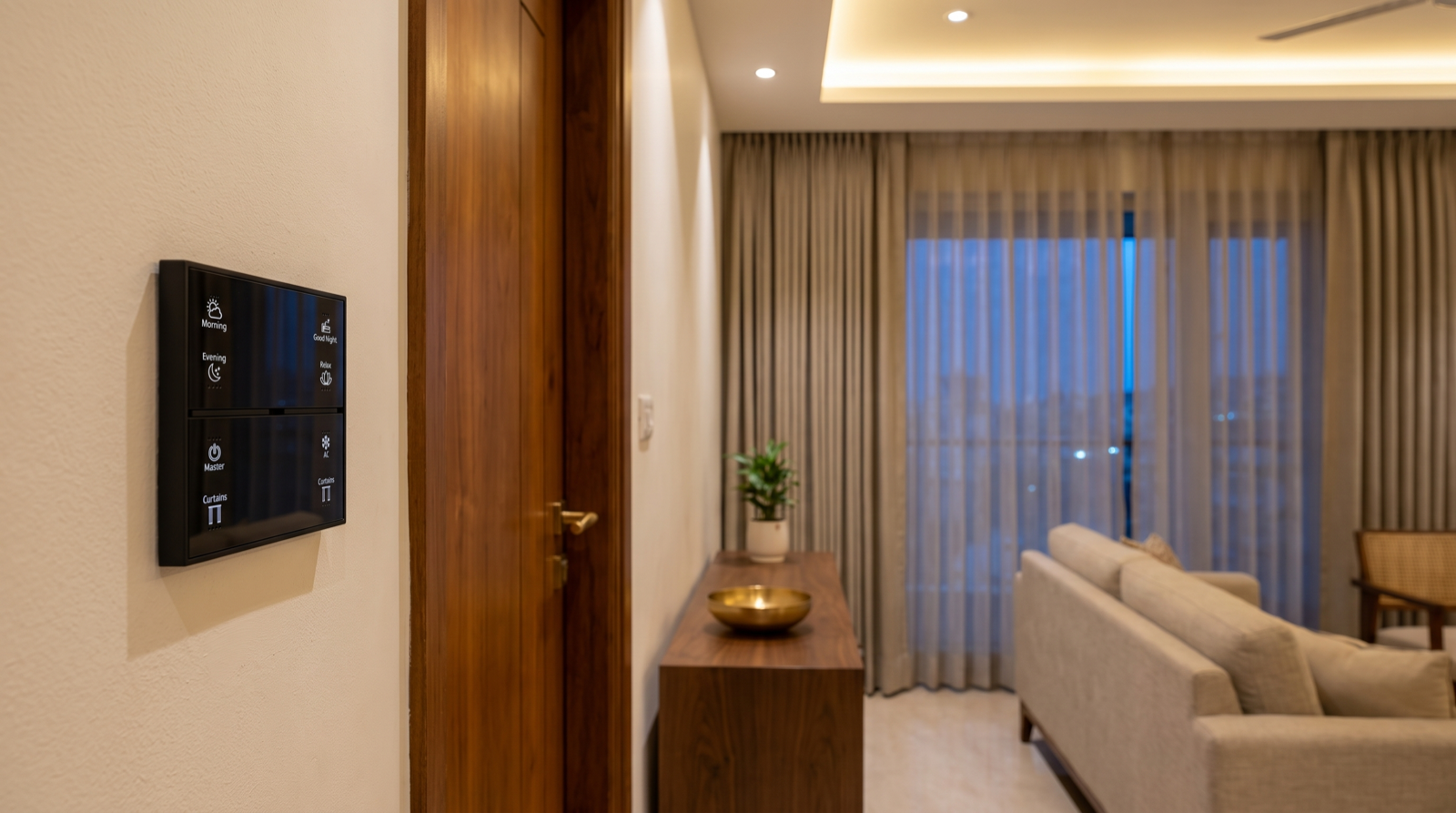
A house that goes dark and shuttered for three weeks is announcing it is empty. What one Away button should do, how to randomise lighting so it looks lived-in, what curtains should do on a long trip, and security zones that let a housekeeper in without your code.
Read Article →
Five to eight working days of automation labour, spread across three to five months of your build. Where the first fix and second fix actually fall, the 6–14 week civil gap in between, and the eight things that really push the handover date.
Read Article →
A downlight above the pillow is why the room never feels restful. The lux and CCT targets, five separately dimmable layers, reading light that must come from above and behind the shoulder, the bedside keypad at 600–750mm rather than switch height, and the 2200K night path.
Read Article →
Most of what gets called an unreliable smart home is an electrical problem wearing a software costume. The neutral that decides where a keypad can go, Type 2 surge protection at the board, why drivers die before LEDs, and the panel you will have to open in ten years.
Read Article →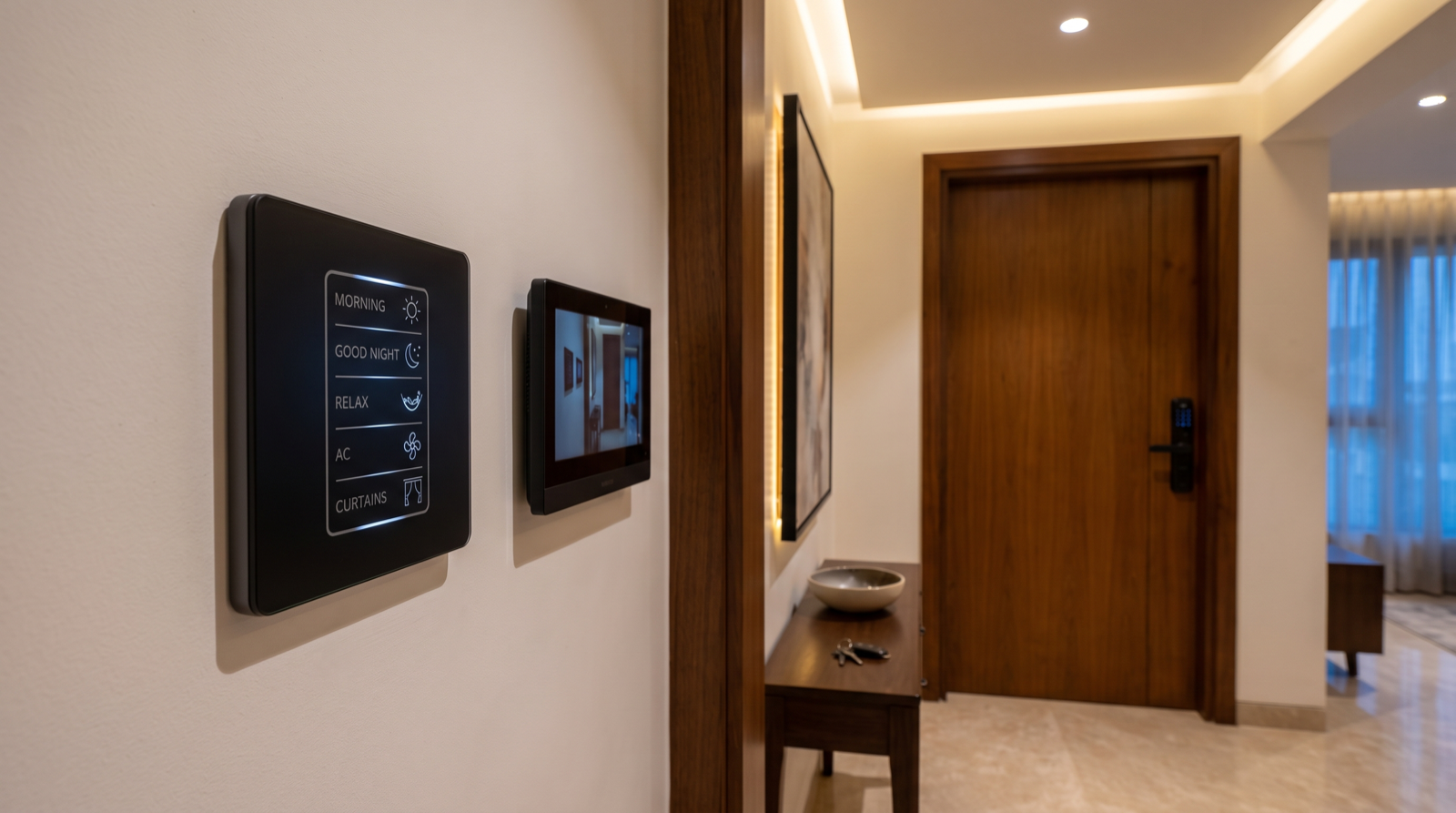
Most smart-lock disappointments are joinery problems, not electronics problems. The three measurements that decide which locks can ever fit, the four lock families compared, door phone camera height and lens, and the cable to lay before the plaster closes.
Read Article →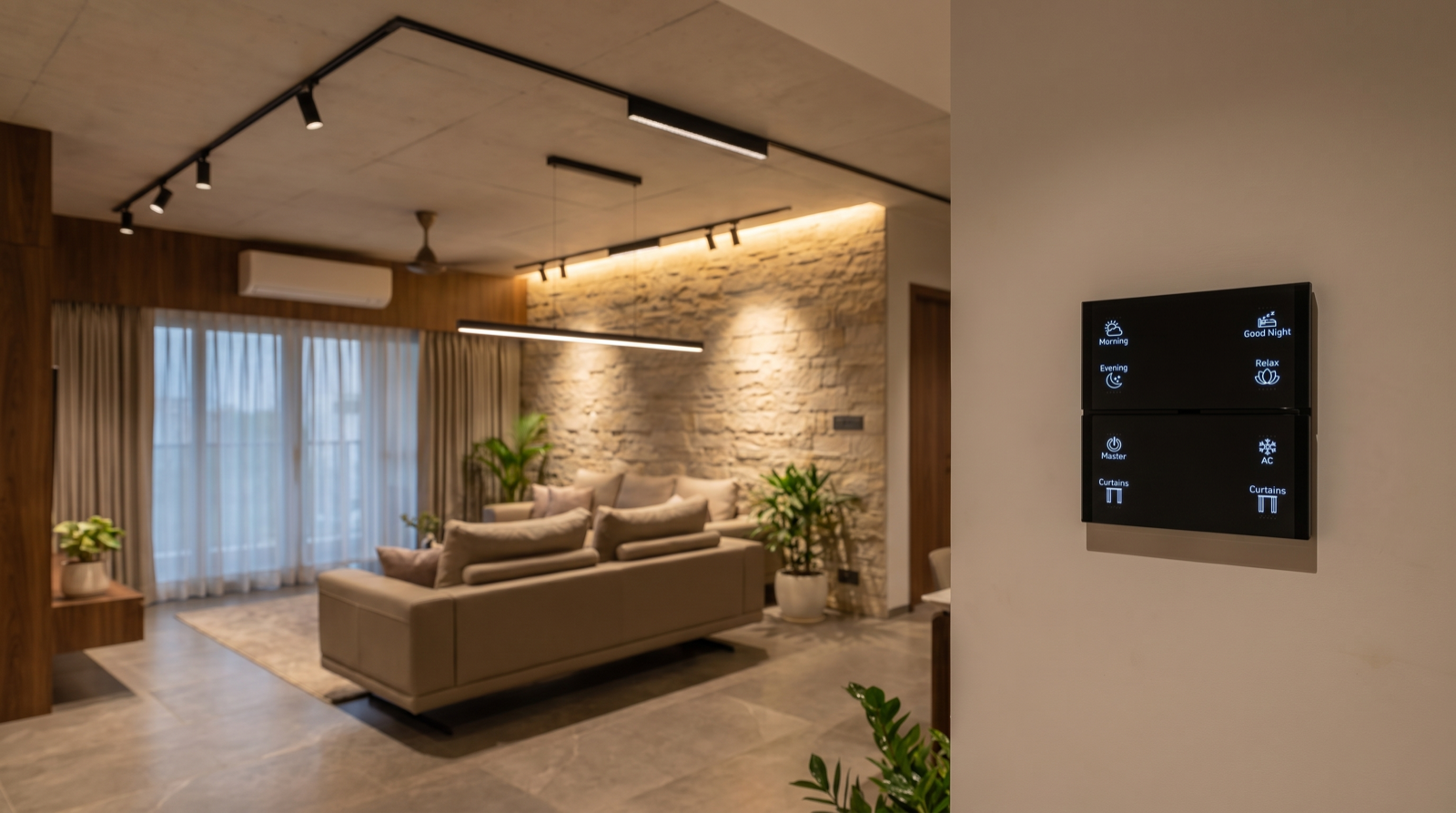
A false ceiling costs 200–350mm of height; a surface track costs 25–40mm. How 48V magnetic tracks work, the spacing and setback numbers, where drivers go when there is no void, and how to keep full scene control on a bare slab.
Read Article →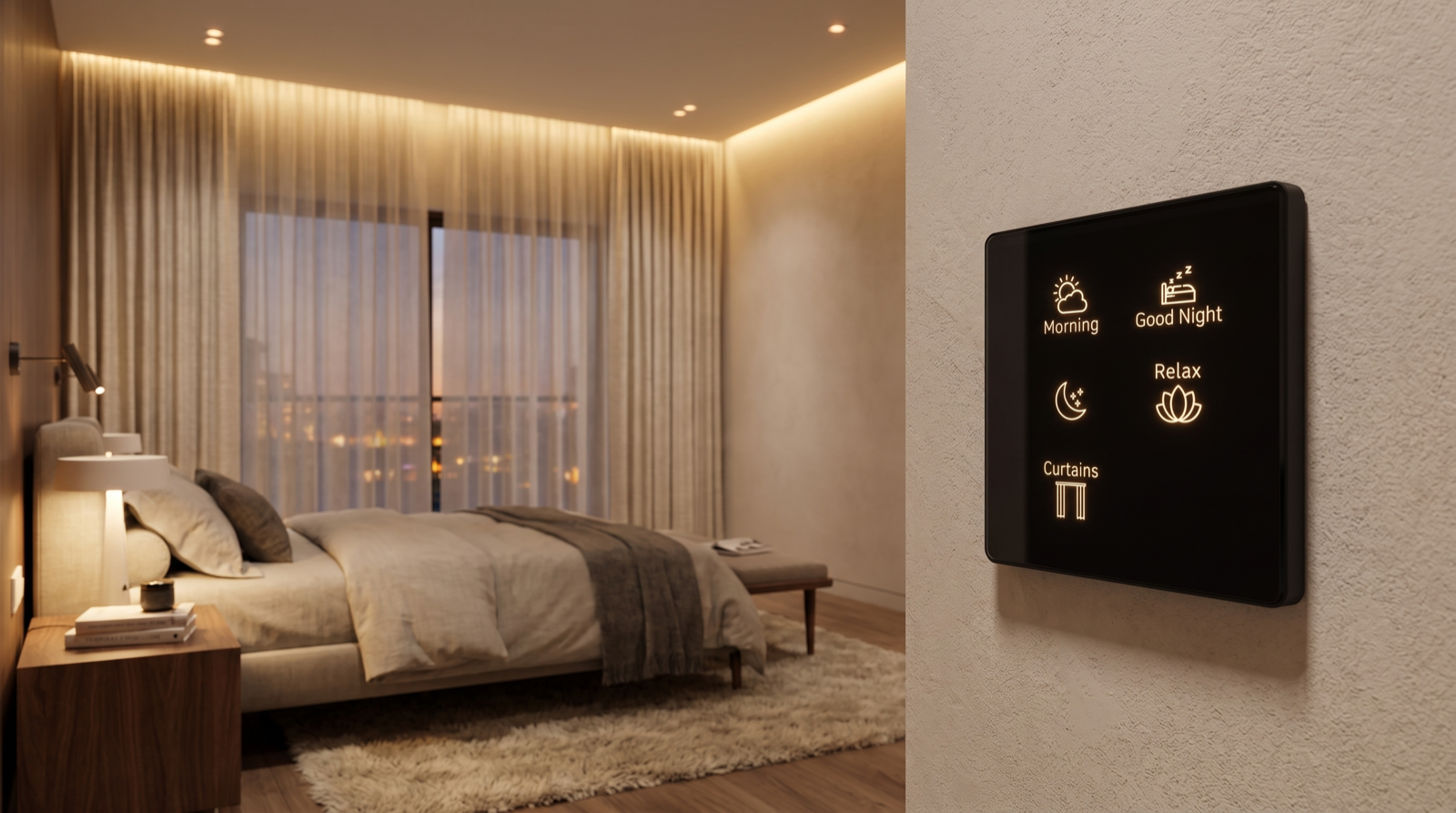
Most motorised curtain complaints are fabric complaints. GSM bands and the panel-weight formula, fullness ratios, the stack-back that eats your glass, blackout lining vs coated fabric, and the clearances that stop a motor stalling.
Read Article →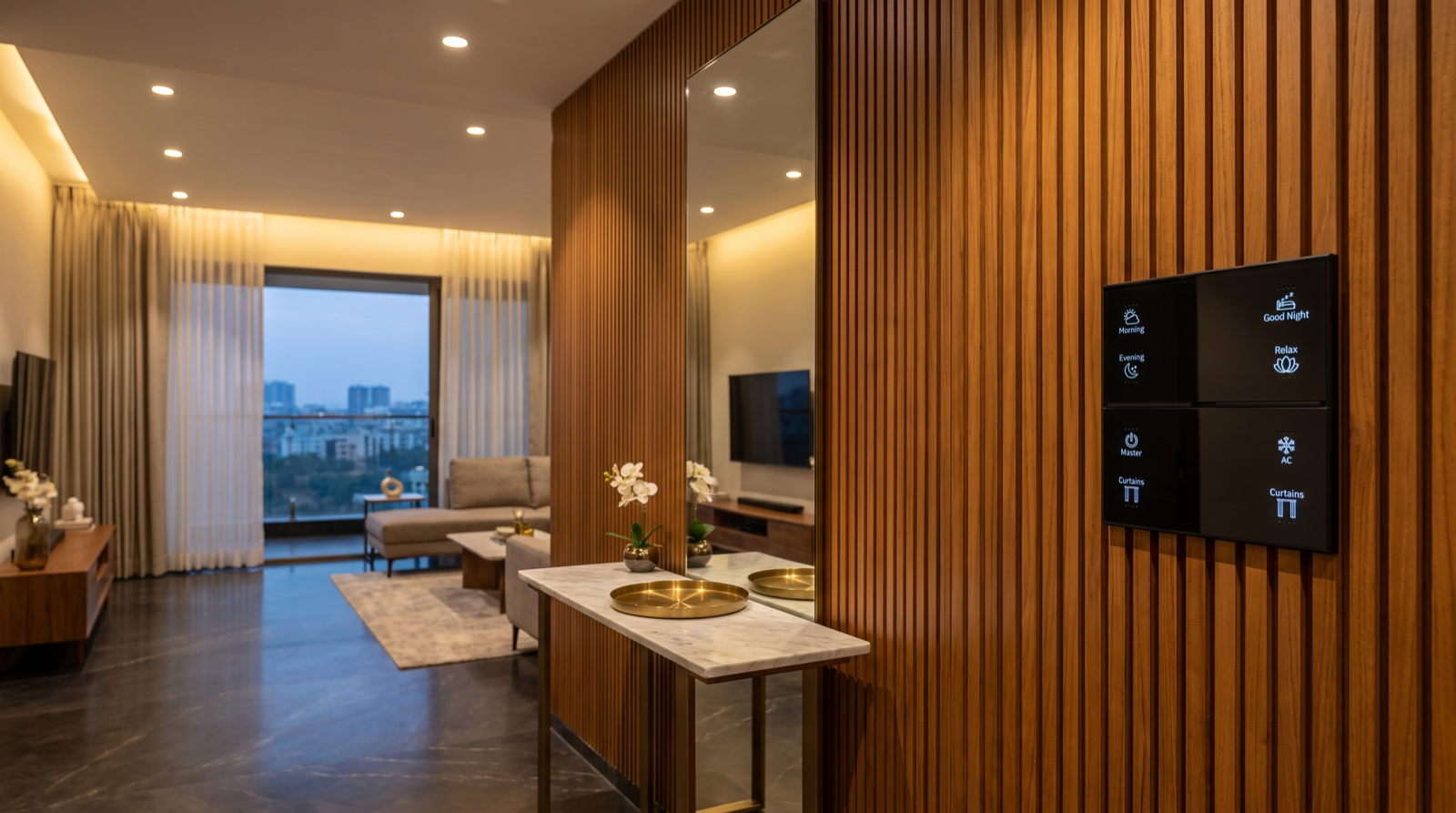
The smallest room in the house is the one every visitor judges it by. Lux levels, downlight setbacks, the correct height and wall for the entry keypad, and the Welcome, Away and Late Night scenes at the levels we actually commission them.
Read Article →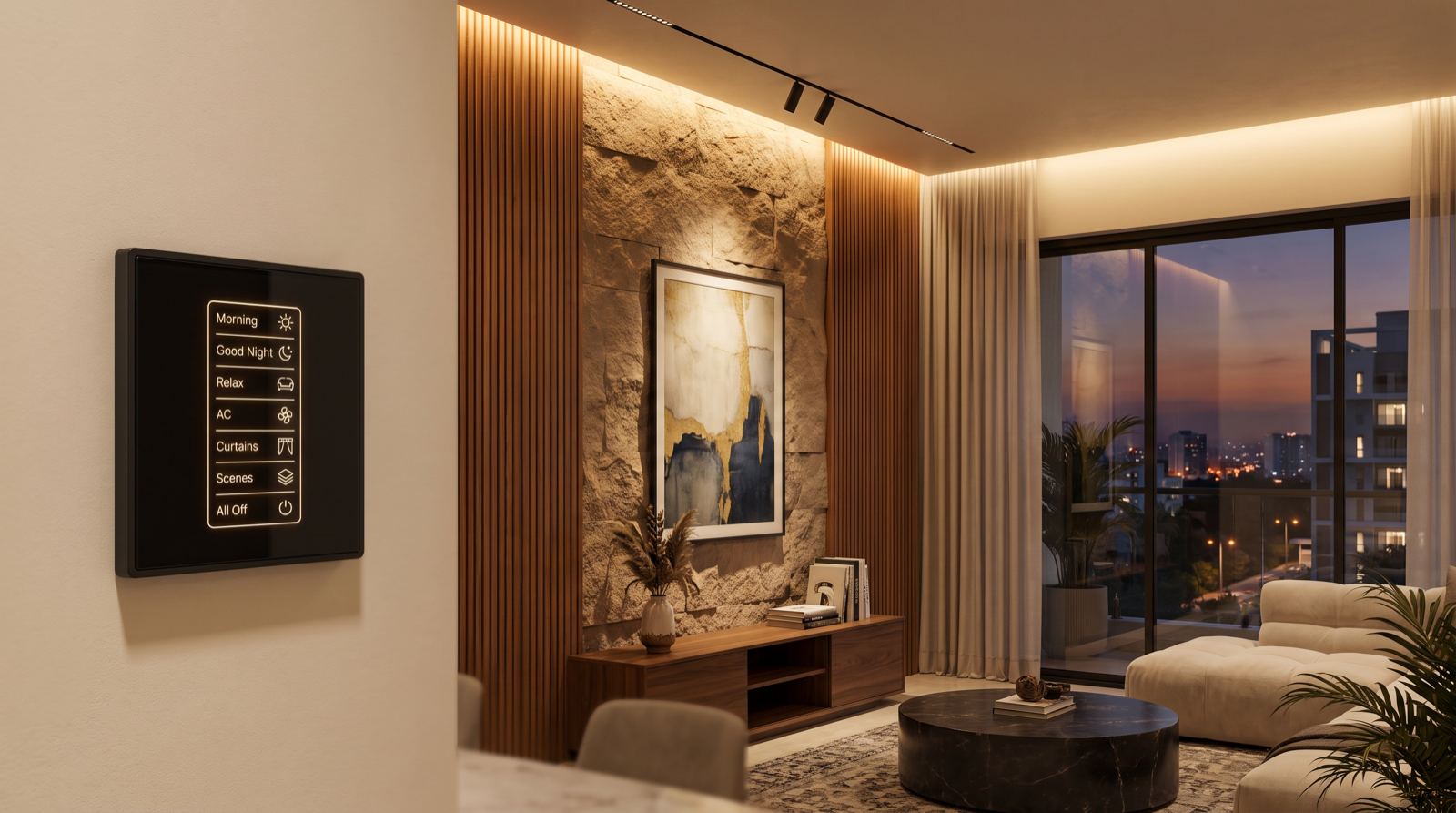
The difference between a wall that is lit and a wall that is designed is usually 100mm of setback. Wash versus graze, the spacing rule that kills scallops, the 30° rule for artwork, and the contrast ratios that make a feature wall look intentional.
Read Article →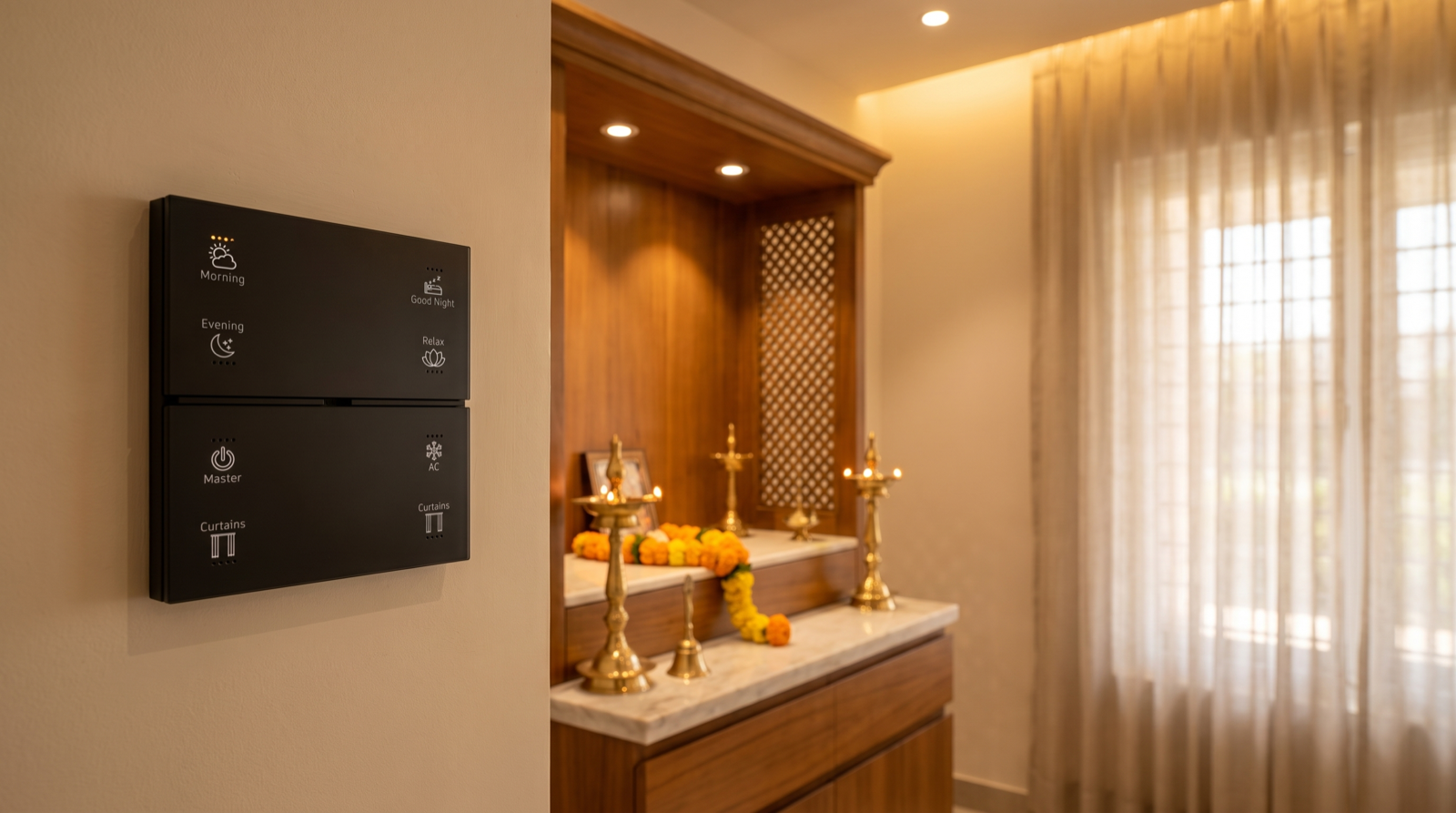
The most important few square feet in the home, lit by whatever the electrician had left over. The three circuits a pooja niche needs, why 2700K and R9 decide whether brass looks like brass, and the 300mm clearance around the diya.
Read Article →
Whether motorised curtains disappear into the ceiling or sit on a visible bracket comes down to 150mm of depth and a 5A point. The pocket dimensions, stack allowances and services to fix before the false ceiling closes.
Read Article →
One room has to be a nursery, a playroom, a study and a teenager's room. The desk lux and glare geometry, the flicker limit that matters more for children, and the night tier that replaces the hall light.
Read Article →
Thirty millimetres decides whether your clothes are lit or shadowed. Strip setbacks, the CRI number that separates black from navy, mirror geometry, and the door contacts that make it automatic.
Read Article →
Double the mounting height and you quarter the light on the floor. The beam angles, layers, pendant drops and access decisions a two-storey volume needs.
Read Article →
Installed is not commissioned. The tests, documents and snag list that belong between a working system and your final payment.
Read Article →
Every light, cove, switch drop and sensor in your home is decided on one PDF you are asked to approve by evening. Here is how to check it.
Read Article →
Two 8W downlights look identical for the first ten seconds — everything that separates them is on a datasheet nobody read. Here is how to read it.
Read Article →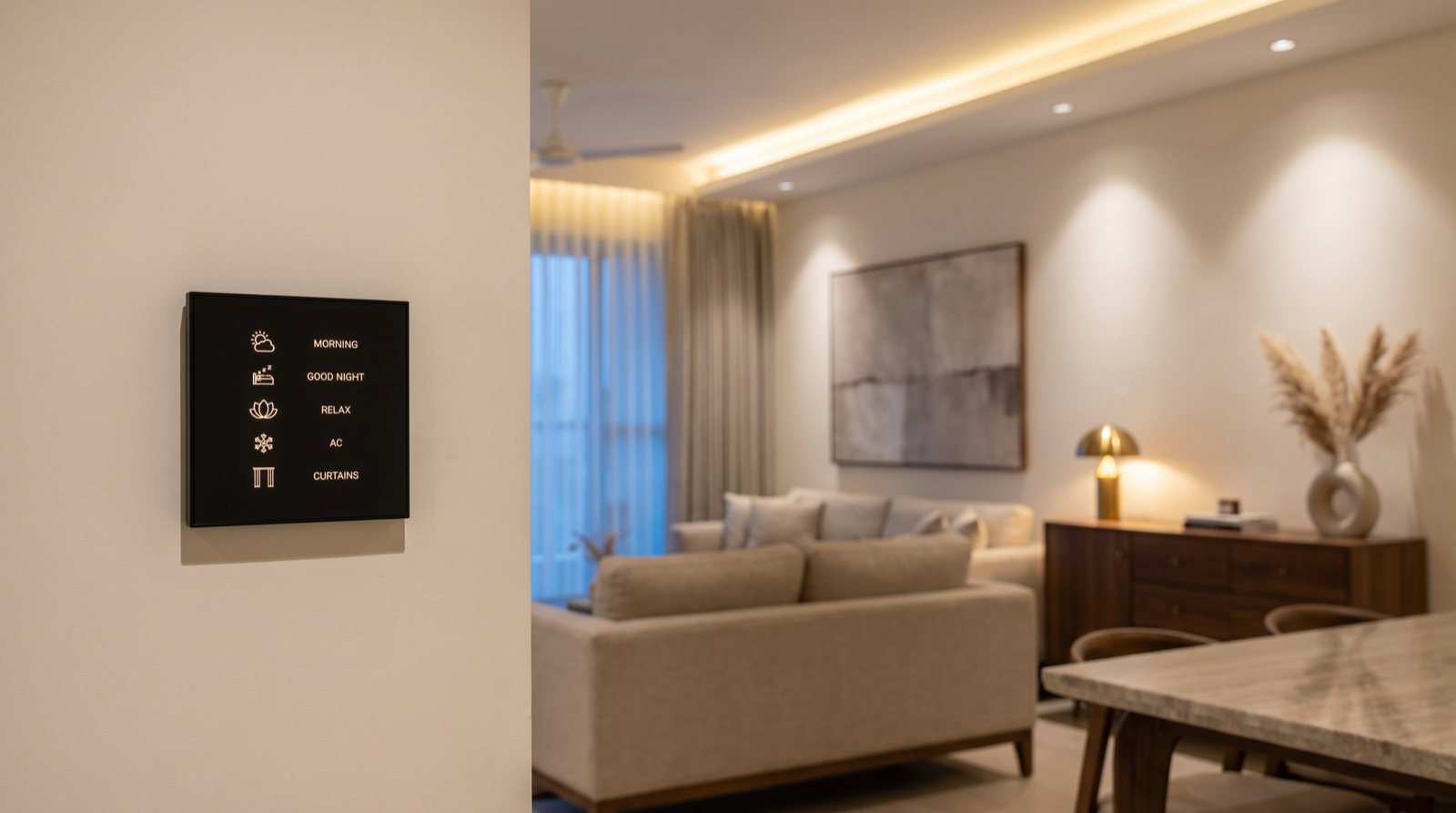
The cheaper quote is usually the one with fewer points and more exclusions. How to read both documents line by line and put them on the same sheet.
Read Article →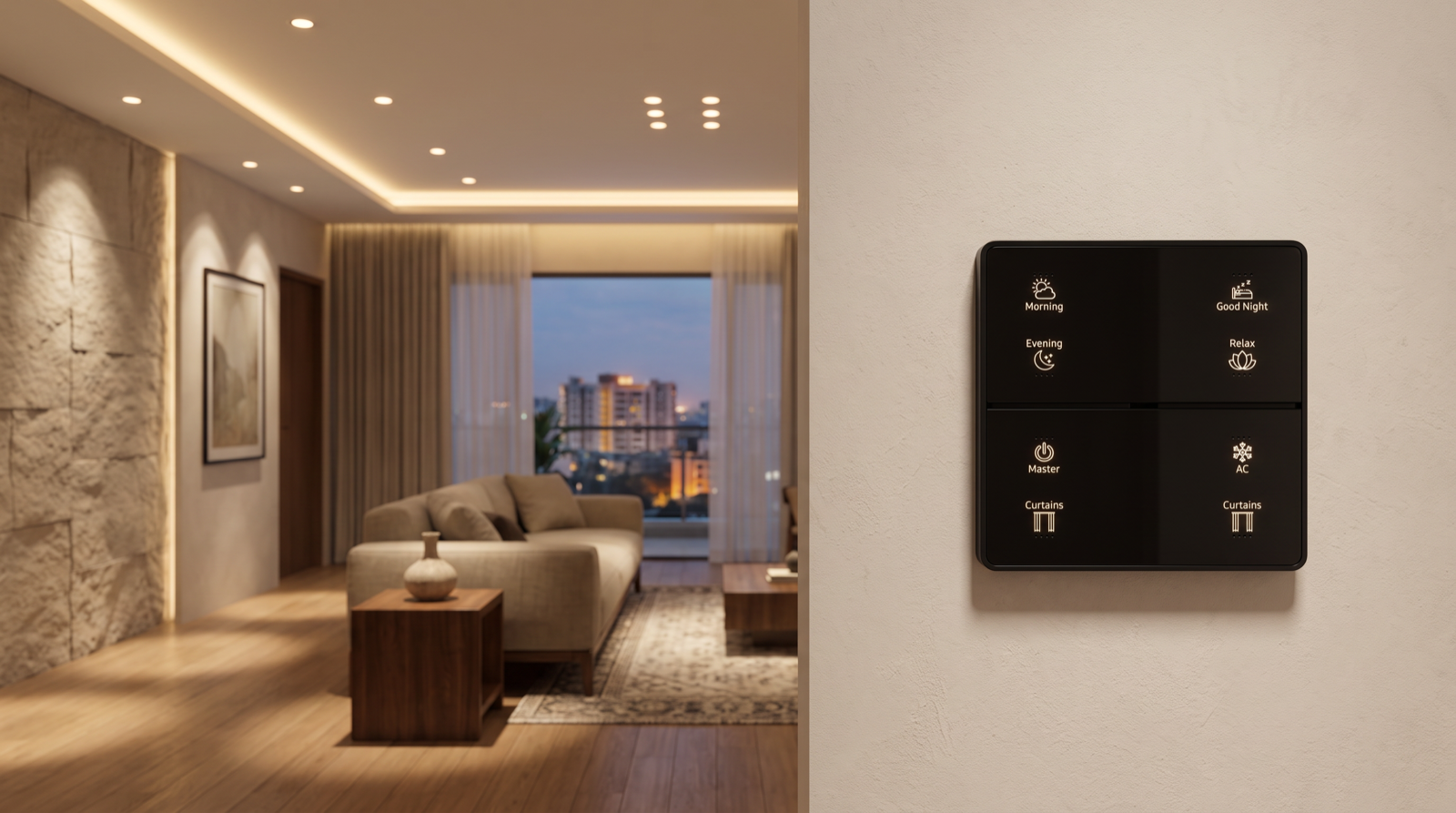
Downlight layout is not decoration, it is arithmetic — and most ceilings get twice the fixtures they need in the places light is least useful.
Read Article →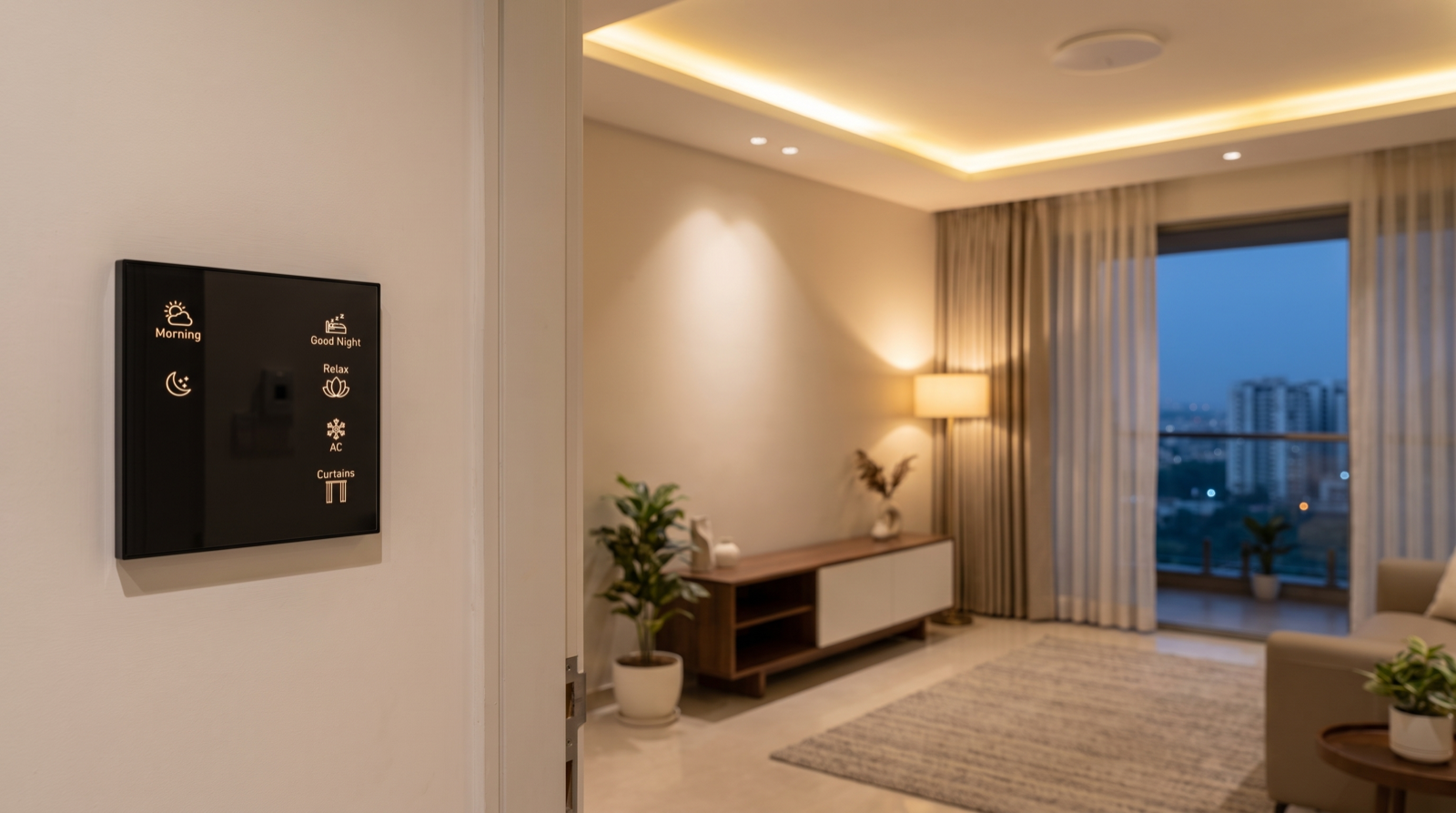
The router does not belong in the utility cupboard, and a smart home needs fewer cables than you fear — but in exactly the right places, decided before plastering.
Read Article →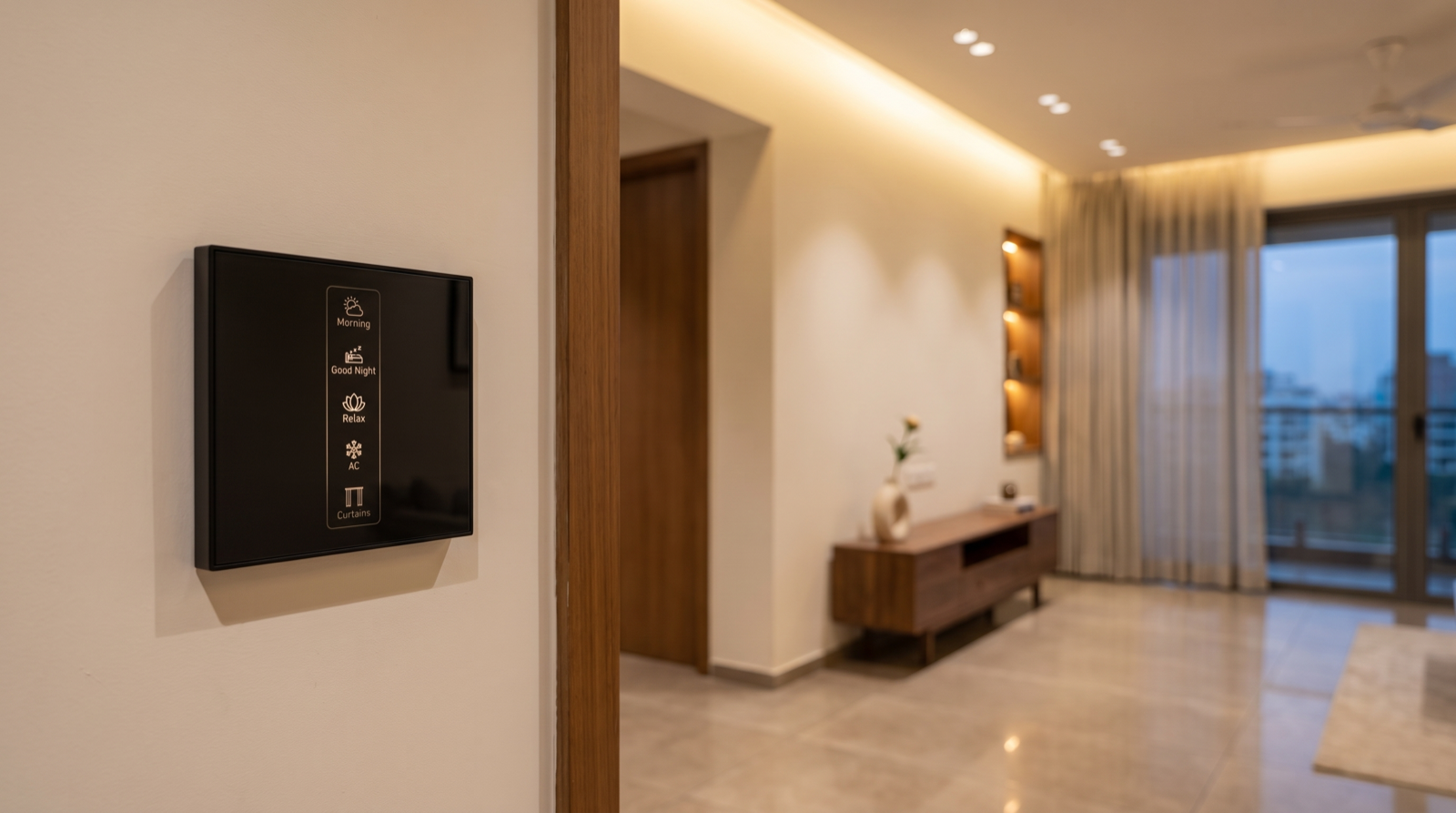
Six buttons, one word each, All Off always at the bottom. The layout and engraving rules that decide whether your family uses the keypads or reaches for the app.
Read Article →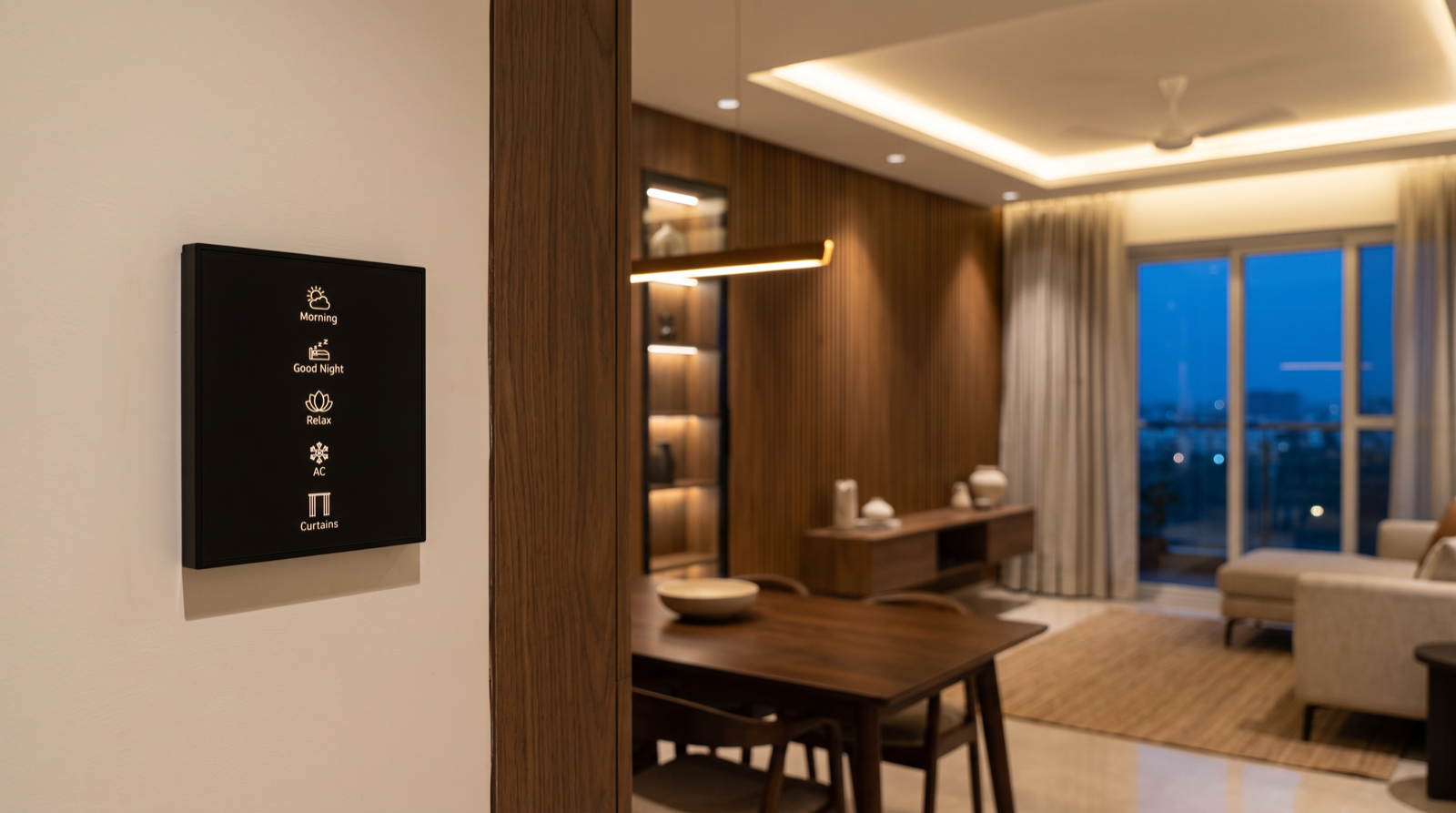
A 300W dimmer channel will not take 300W of LED, and a single 5W spot on it will flicker. The load numbers, derating rules and grouping logic that decide whether your dimming works.
Read Article →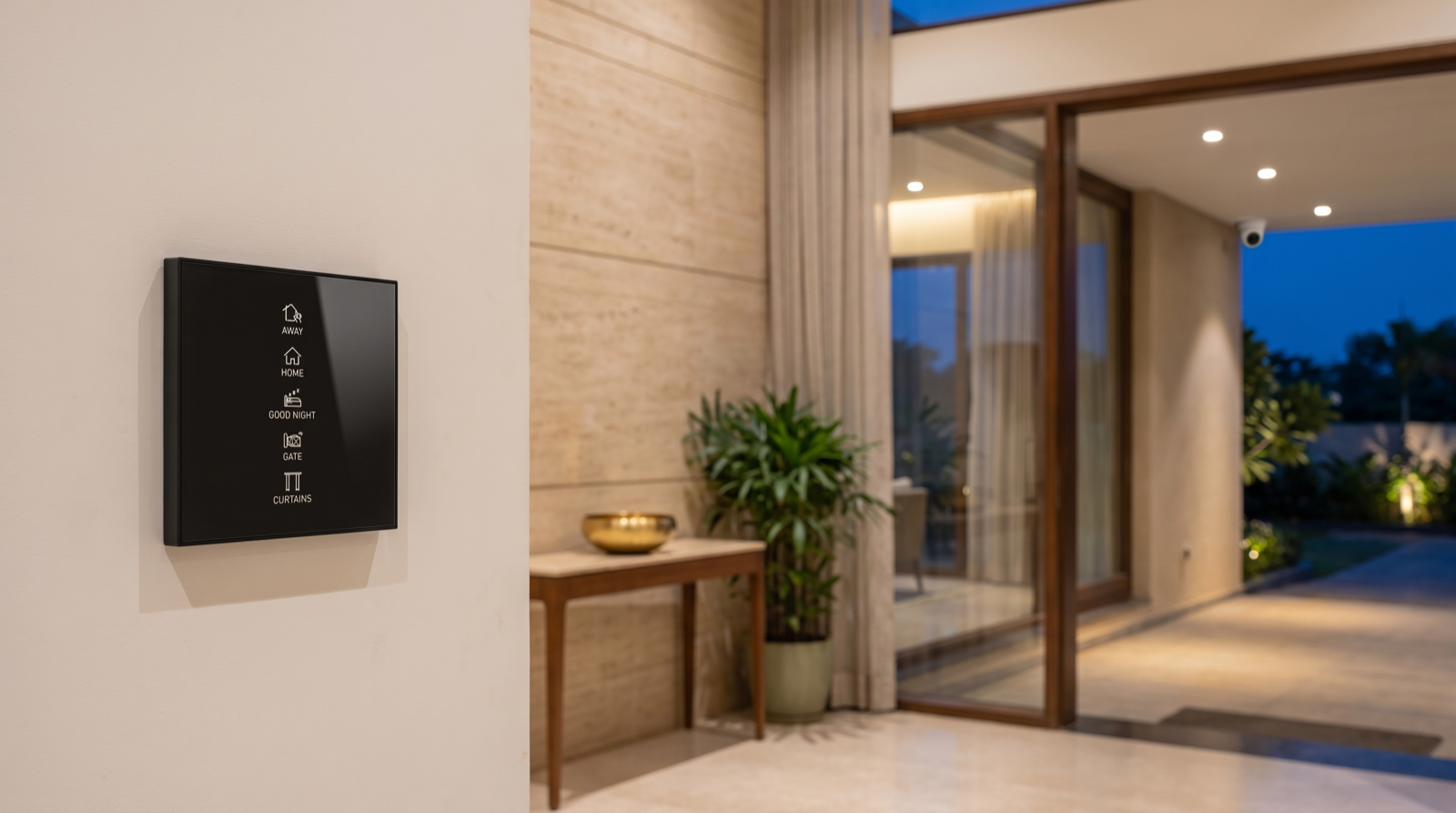
Camera specifications are the easy part. The mounting heights, tilt angles, lens choices and pixels-per-metre maths that decide whether you get evidence or a grey silhouette.
Read Article →
Six activities, one room, one switch — and none of them served. The lux targets, pendant heights, TV reflection zone and scene levels that fix it.
Read Article →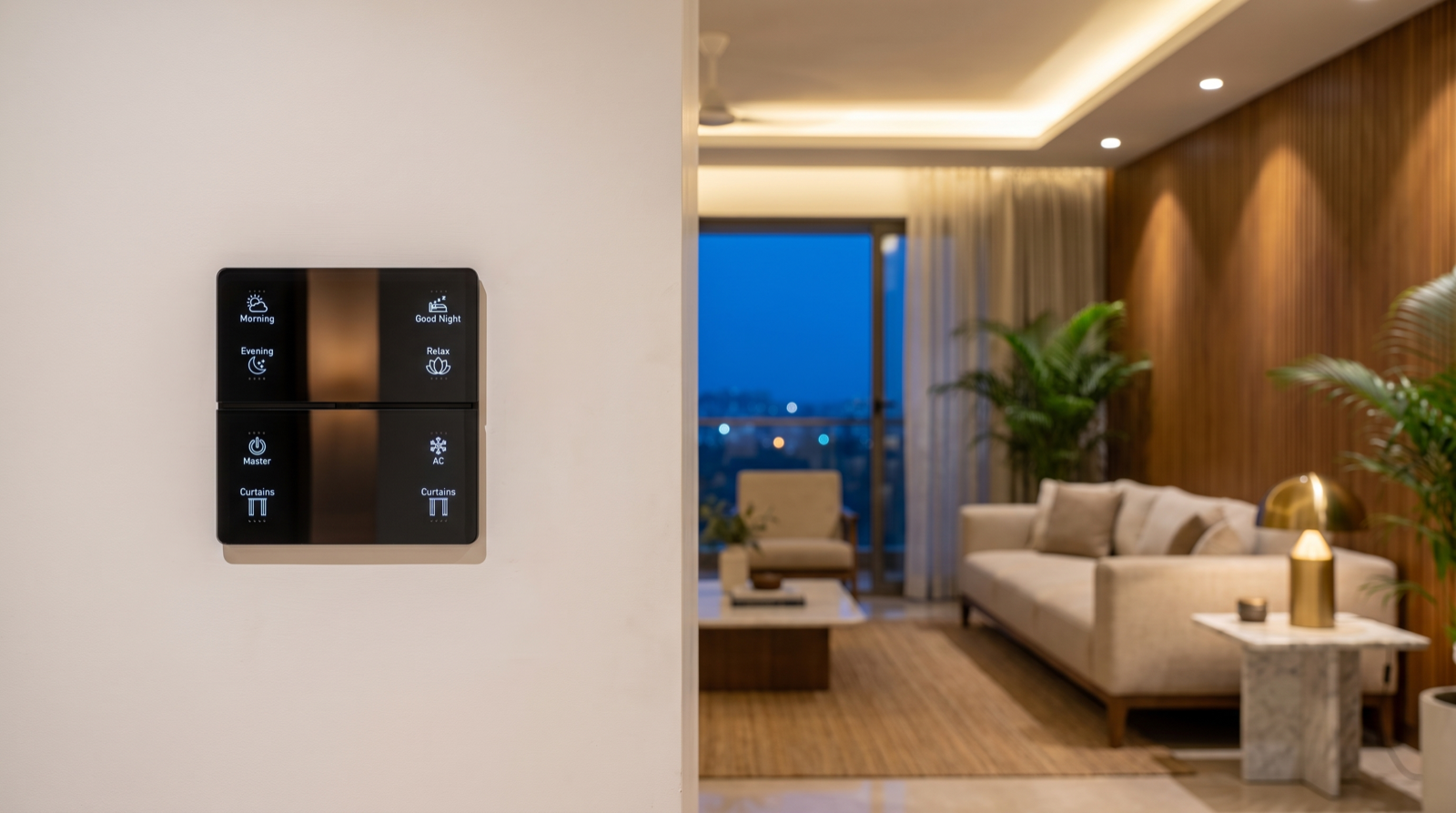
A wireless system needs no rewiring — but neutrals, box depths, keypad heights, circuit splits and curtain points still decide what your home can be automated to do.
Read Article →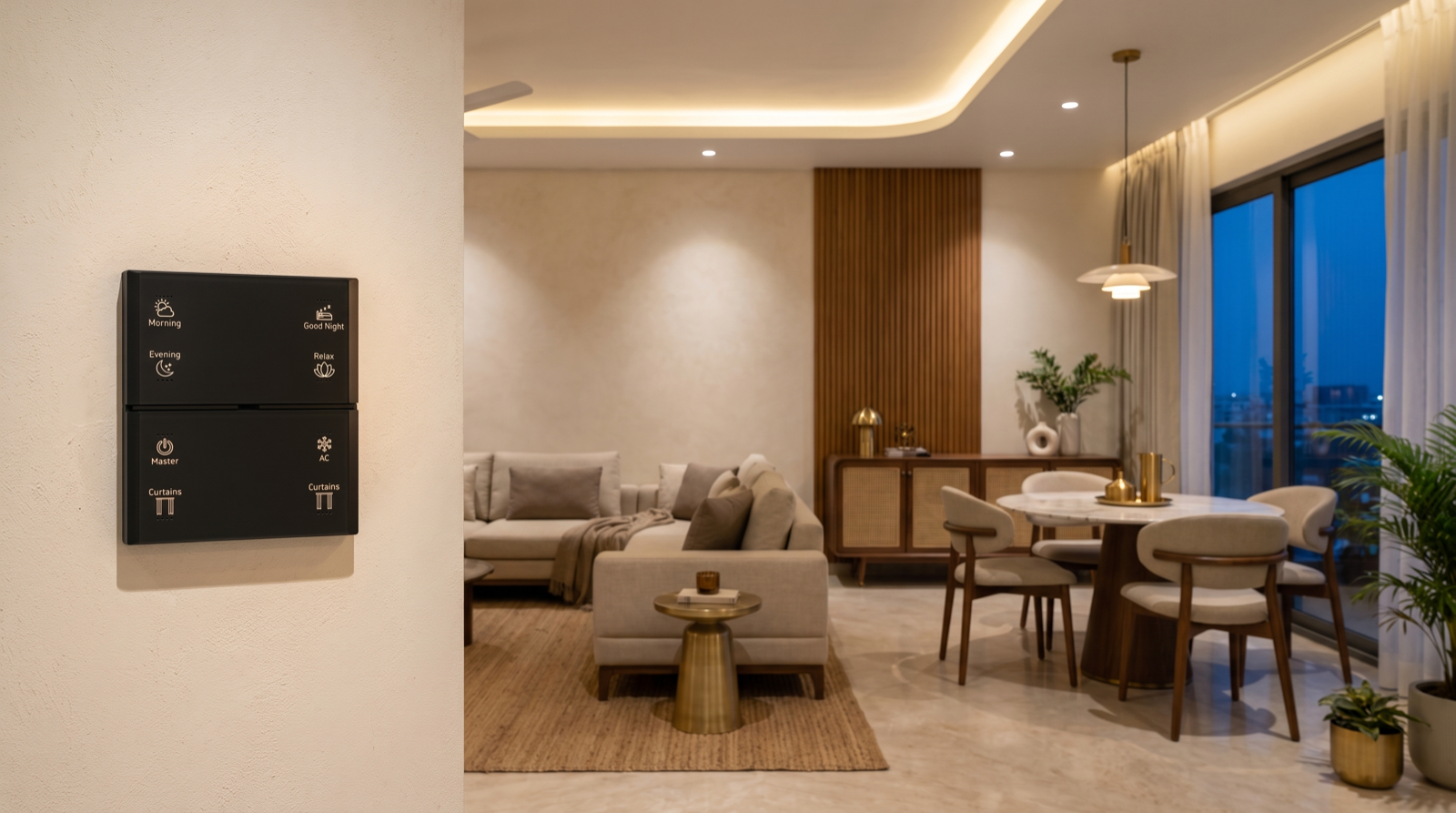
Morning, Day, Evening, Dinner, Movie, Relax, Good Night and Away — every scene written out with real dim percentages per circuit, colour temperatures, curtain positions, fade times and triggers.
Read Article →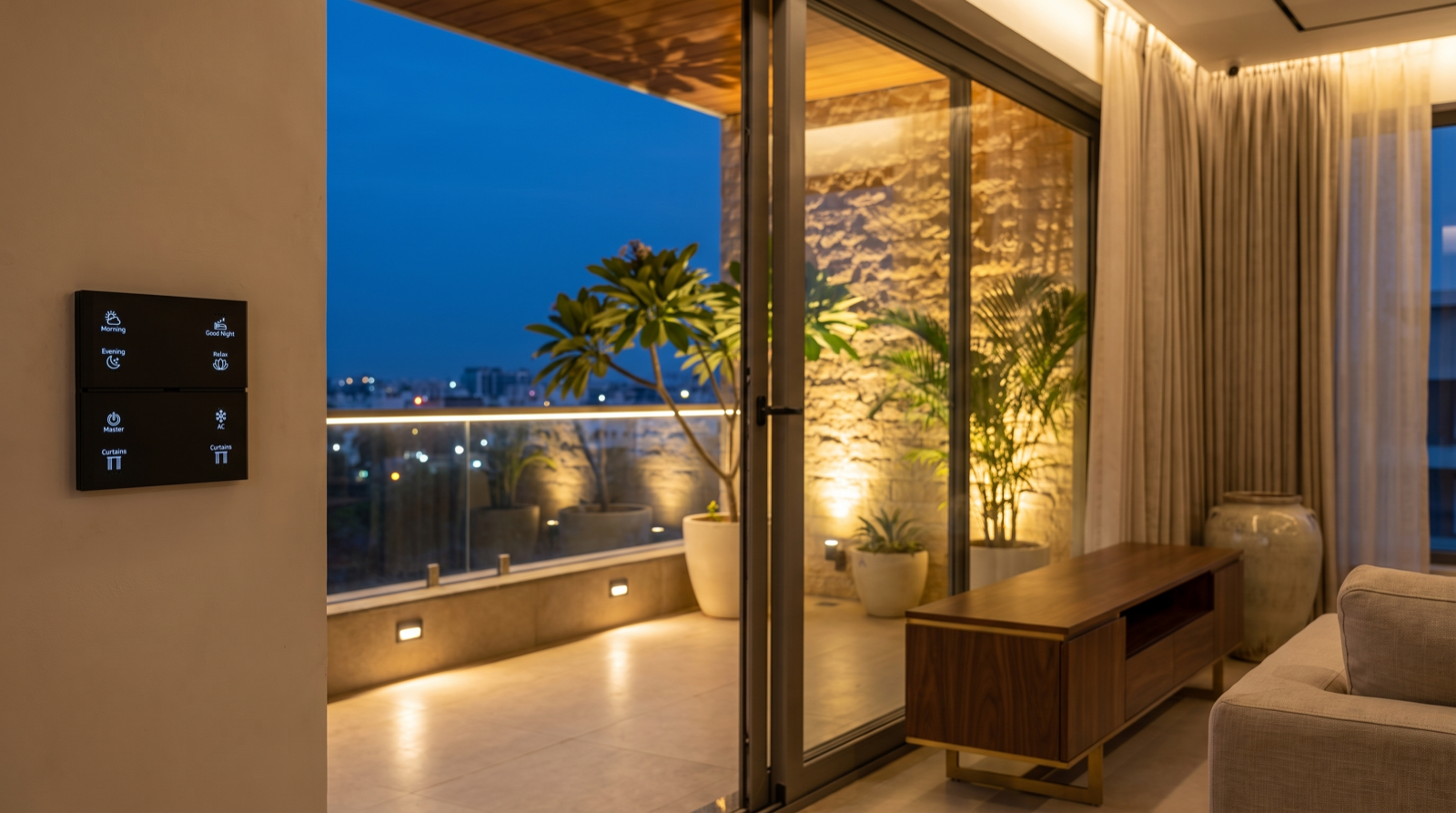
IP65 vs IP66 vs IP68 by position, grazing versus washing, target lux and beam angles, why 2700K beats cool white outdoors, glare and insect control, and astro-clock scheduling that tracks Hyderabad's 45-minute sunset swing.
Read Article →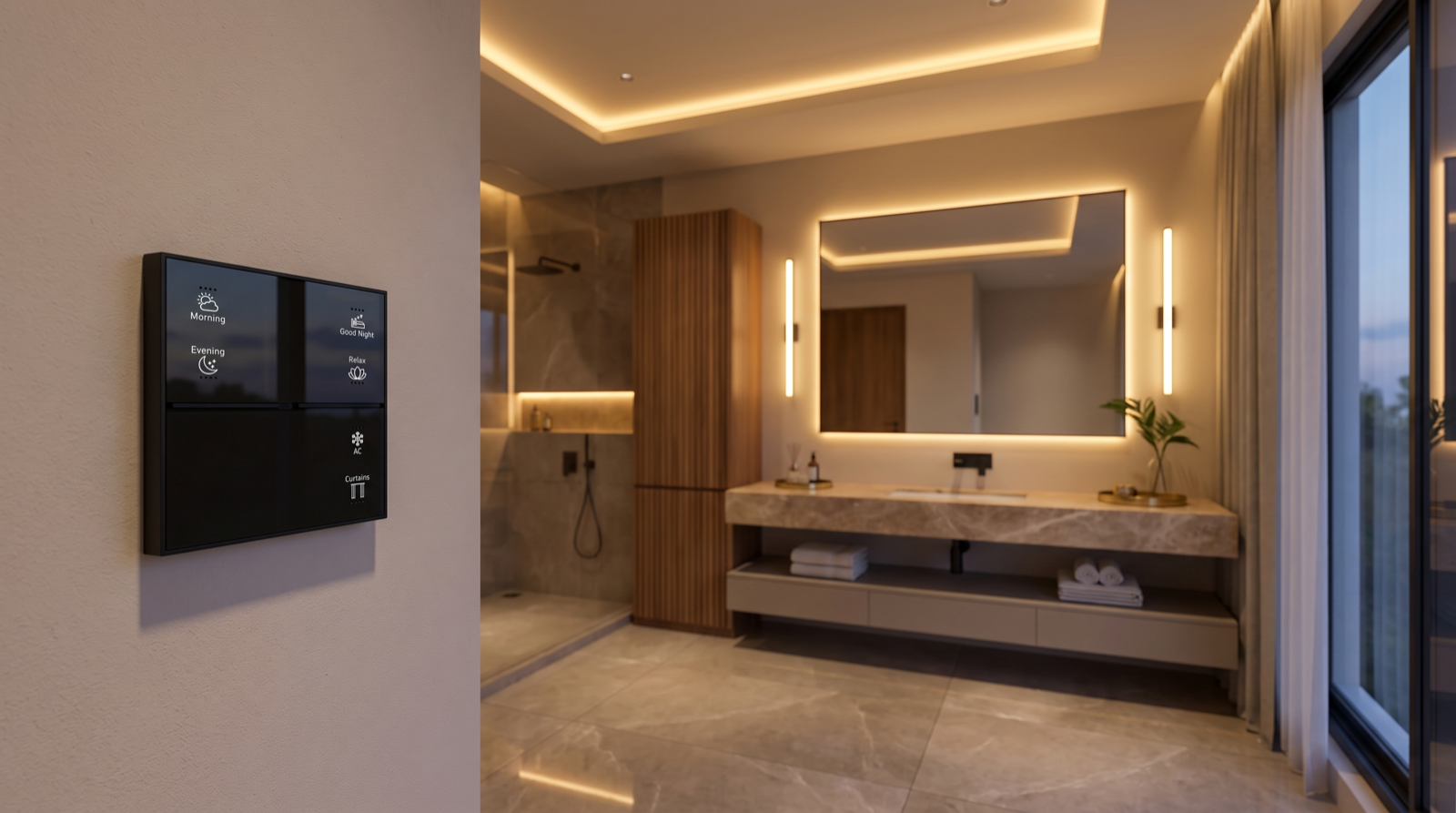
Mirror sconce heights and spacing, 300–500 lux measured vertically on the face, CRI 90+ with a real R9, IP ratings by wet zone, and the 2200K night path that makes a 3am trip bearable.
Read Article →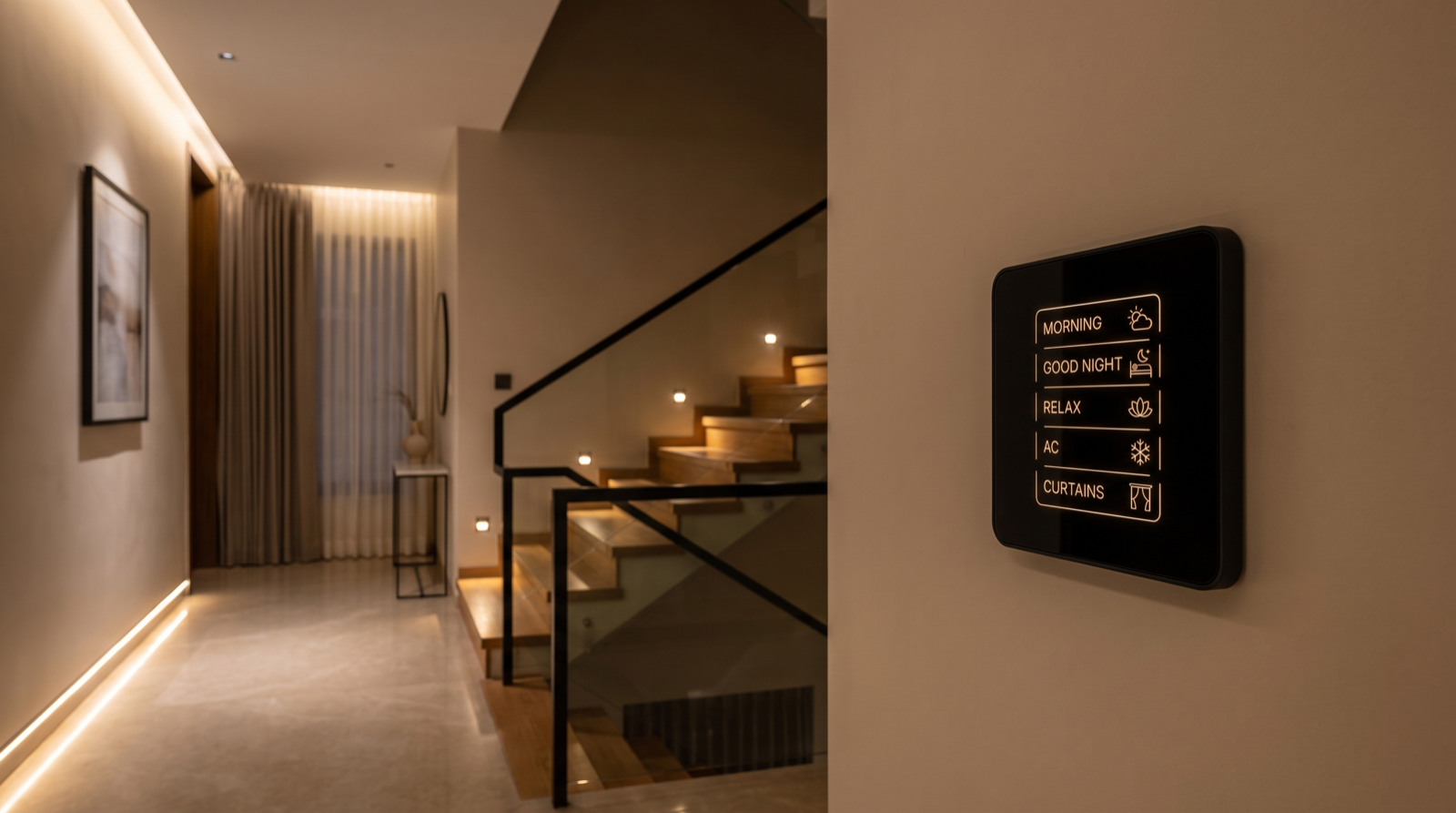
Step-light heights and spacing, lux targets for treads and landings, PIR versus presence sensors, timeout and fade settings, and the 5% warm night level that makes a corridor livable at 2am.
Read Article →
The six dimensions to record at every window, how much track overhang and stack-back to allow, what fullness really weighs, and how to size the motor by load, track length and noise.
Read Article →
The lux and CCT targets for a study, the four lighting layers and where each one physically goes, how to keep reflections off your monitor, and the key-light angles that stop you looking like a silhouette on every call.
Read Article →
Six LED dimming symptoms and what each one really means, how TRIAC, 0–10V, PWM and DALI differ in practice, and the seven numbers on a driver spec sheet that decide whether your lighting dims smoothly.
Read Article →
What 2700K, 3000K and 4000K really do to a room, the right colour temperature space by space, the four rules for mixing CCT, and why lumens — not Kelvin — fix a dim room.
Read Article →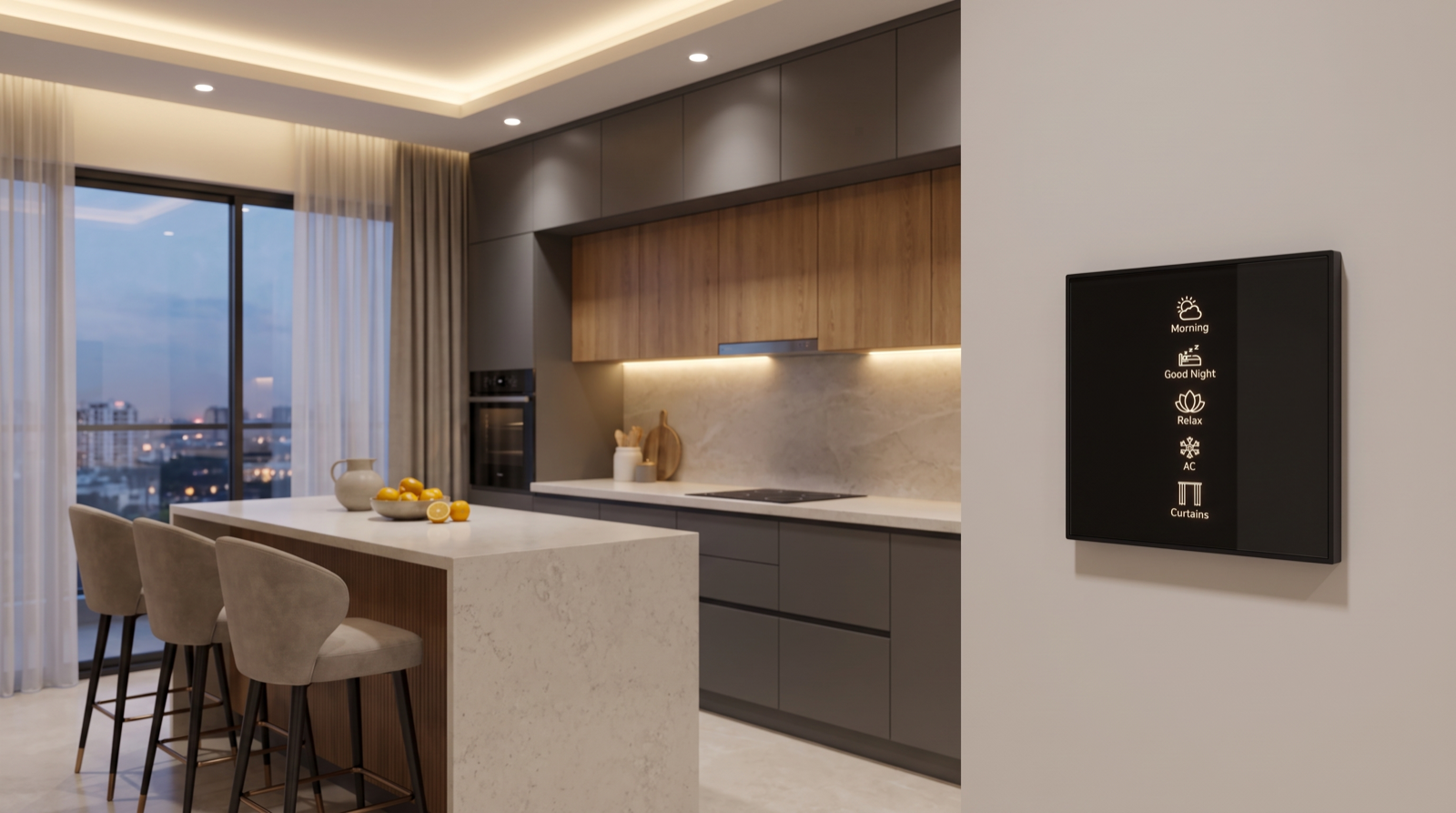
Counter lux targets, under-cabinet strip placement, colour temperature for judging food, the six mistakes that ruin a kitchen plan, and the three scenes a working kitchen needs.
Read Article →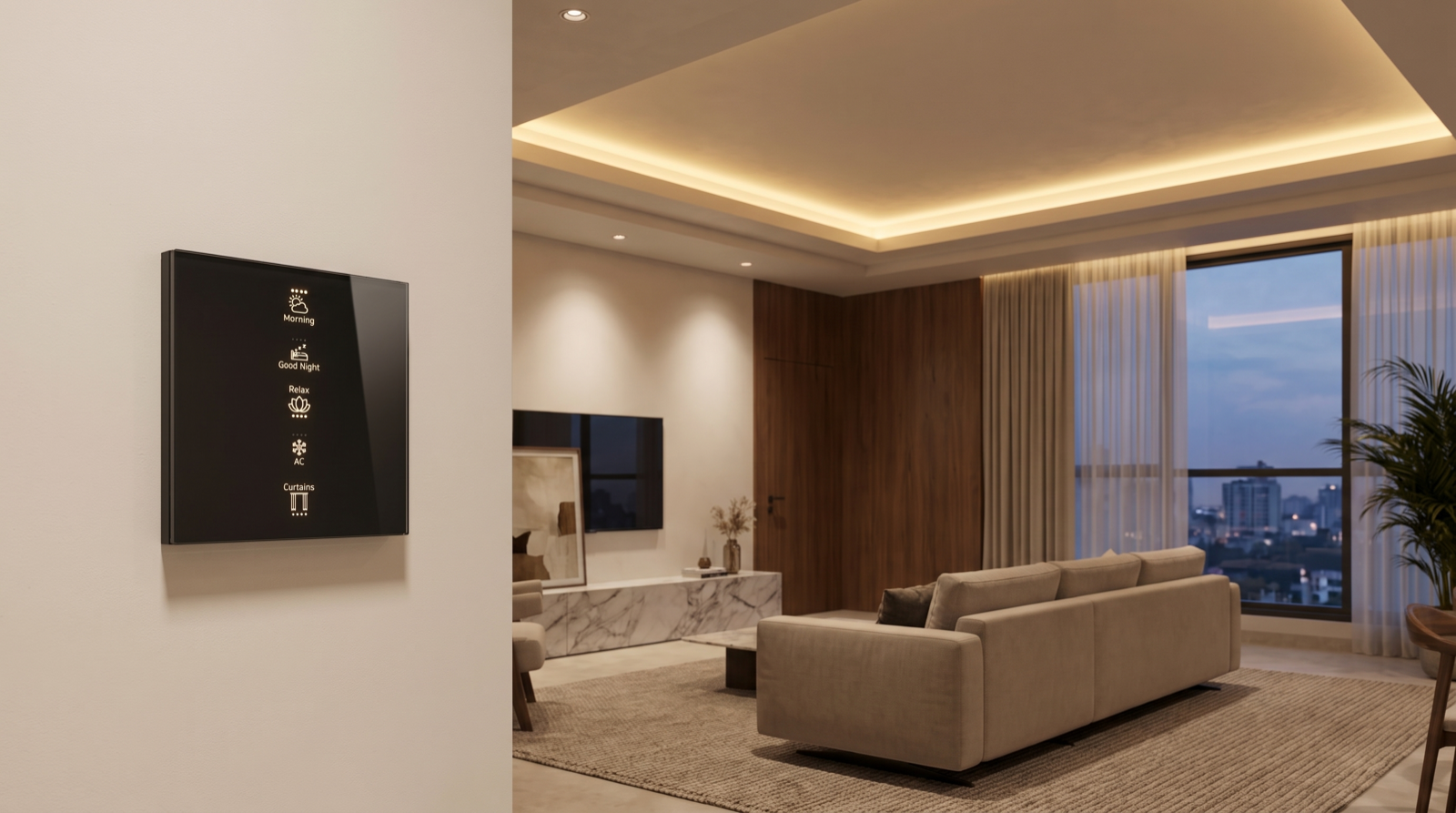
Cove depth, lip height, strip lumens and CCT, driver access, and the five mistakes that ruin a cove — plus how to wire it so it dims smoothly and runs on scenes.
Read Article →
A neighbourhood guide to tunable lighting, motorised curtains, keypads, scenes, and security — professionally designed and installed for Nallagandla's gated communities and villas.
Read Article →
A neighbourhood guide to tunable lighting, motorised curtains, keypads, and scenes — professionally designed and installed for Narsingi high-rises, duplexes, and villas.
Read Article →
A neighbourhood guide to smart lighting, motorised curtains, keypads, and scenes — professionally designed and retrofitted into Manikonda's gated-community apartments and villas.
Read Article →
A neighbourhood guide to smart lighting, motorised curtains, keypads, and scenes — professionally designed and installed for Tellapur's gated high-rises and villas.
Read Article →
A neighbourhood guide to layered lighting, motorised curtains, keypads, and scenes — professionally designed and installed for villas and premium homes.
Read Article →
A neighbourhood guide to smart lighting, motorised curtains, keypads, and scenes — professionally designed and installed for Madhapur and HITEC City apartments.
Read Article →
A neighbourhood guide to smart lighting, motorised curtains, keypads, and scenes — professionally designed and installed for Kondapur apartments and gated communities.
Read Article →
The questions that separate a genuine solutions partner from a box-seller — on design, installation, scenes, support, and warranty.
Read Article →
A room-by-room guide to what actually makes sense in a flat — smart lighting, motorised curtains, keypads, and scenes.
Read Article →
Professionally designed smart lighting, curtains, keypads, and scenes for Gachibowli's premium apartments and high-rises.
Read Article →
Whole-home smart lighting, motorised curtains, keypads, and scenes for Kokapet's luxury homes.
Read Article →
Designed smart lighting, curtains, keypads, and scenes for Financial District's premium apartments and towers.
Read Article →
Professionally installed, reversible smart lighting, curtains, and keypads for rented homes — no civil work, and the system moves with you.
Read Article →
How sun-aware curtains and motorised blinds block the afternoon heat, ease your AC's load, and lower your electricity bill in Hyderabad.
Read Article →
A practical Hyderabad buyer's guide to motorized curtains and smart blinds: the types, realistic costs, control options, and how to choose the right setup in 2026.
Read Article →
A practical guide to home theatre and media room automation in Hyderabad: one-touch movie scenes, lighting, curtains, and AV control without complexity.
Read Article →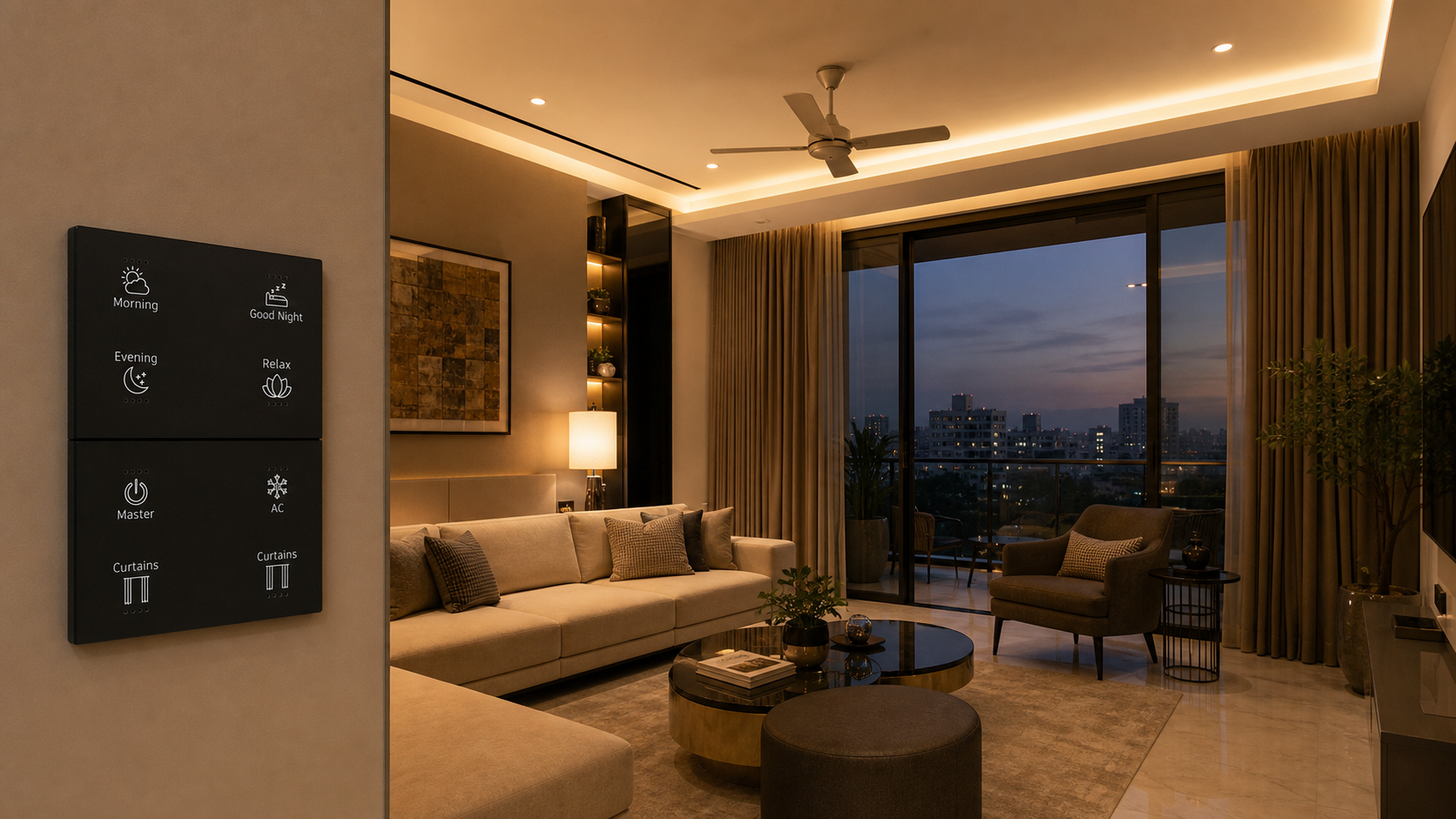
A practical guide to whether home automation increases property value and which smart-home decisions create the strongest premium appeal.
Read Article →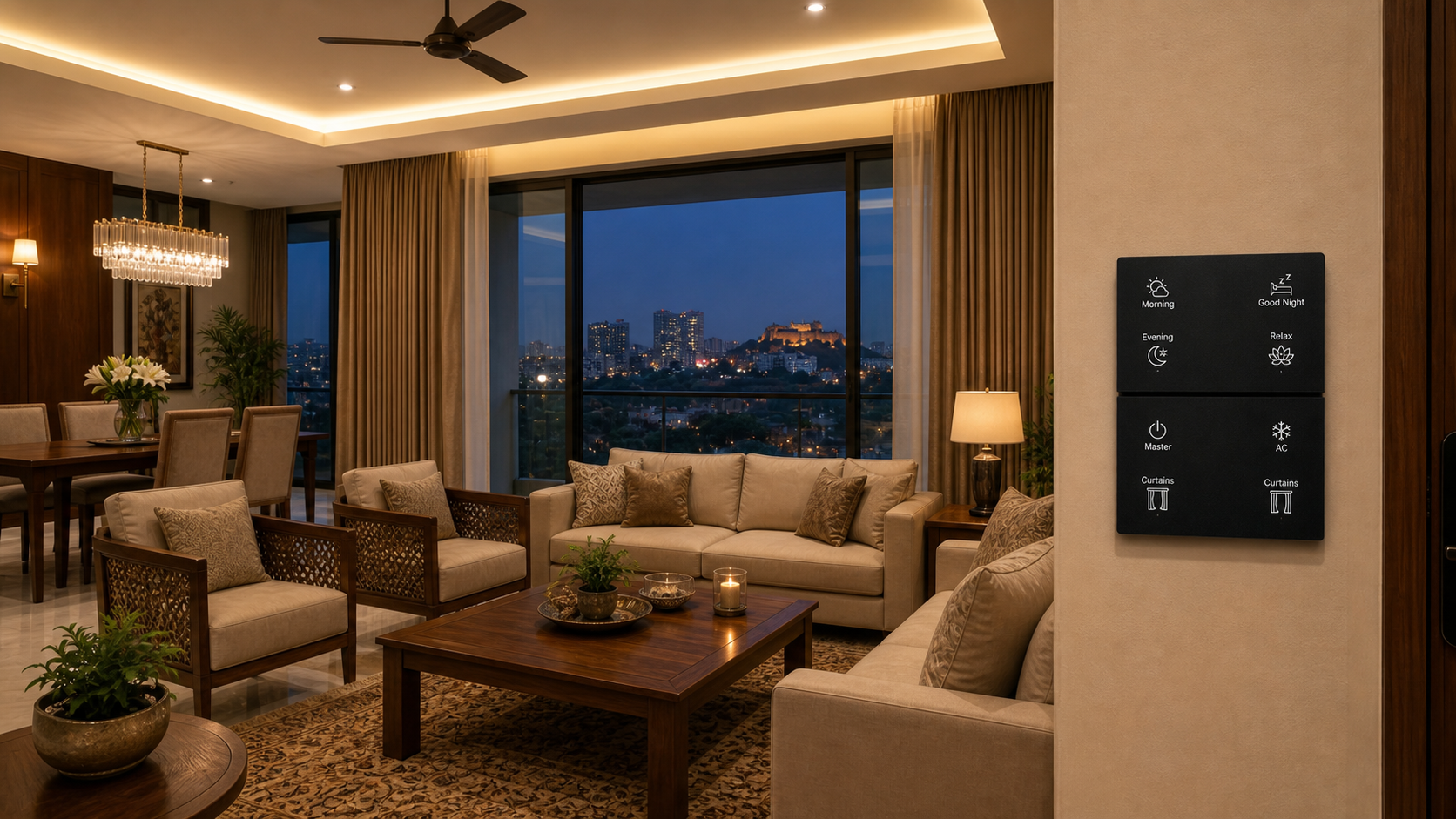
A practical guide to wireless home automation, including control, reliability, scenes, maintenance, and where it fits best.
Read Article →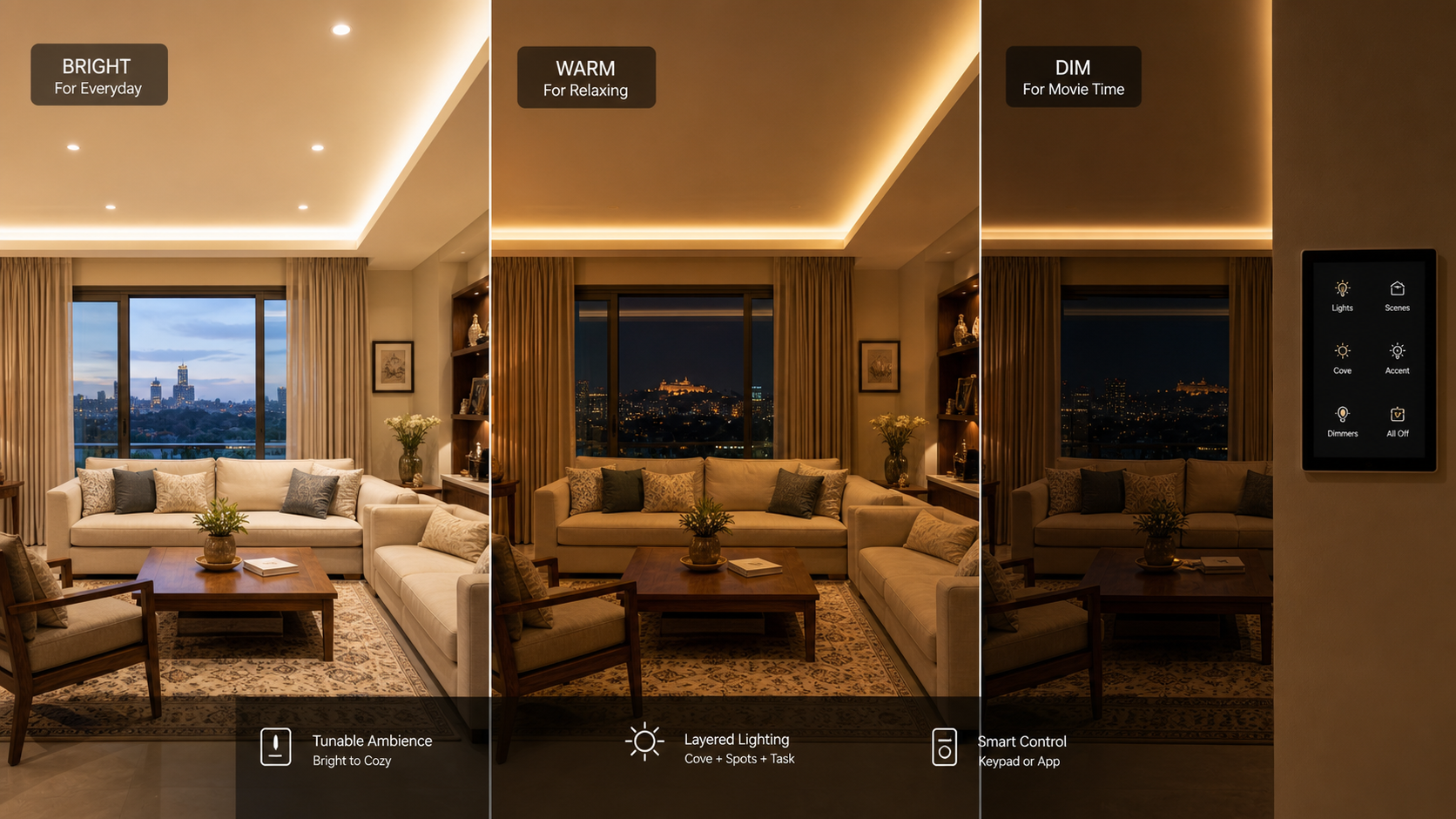
A practical guide to how smart lighting transforms ambience and why tunable and dimmable lighting is becoming essential in modern homes.
Read Article →
A practical guide to how well-planned home automation removes repeated small frustrations from daily life.
Read Article →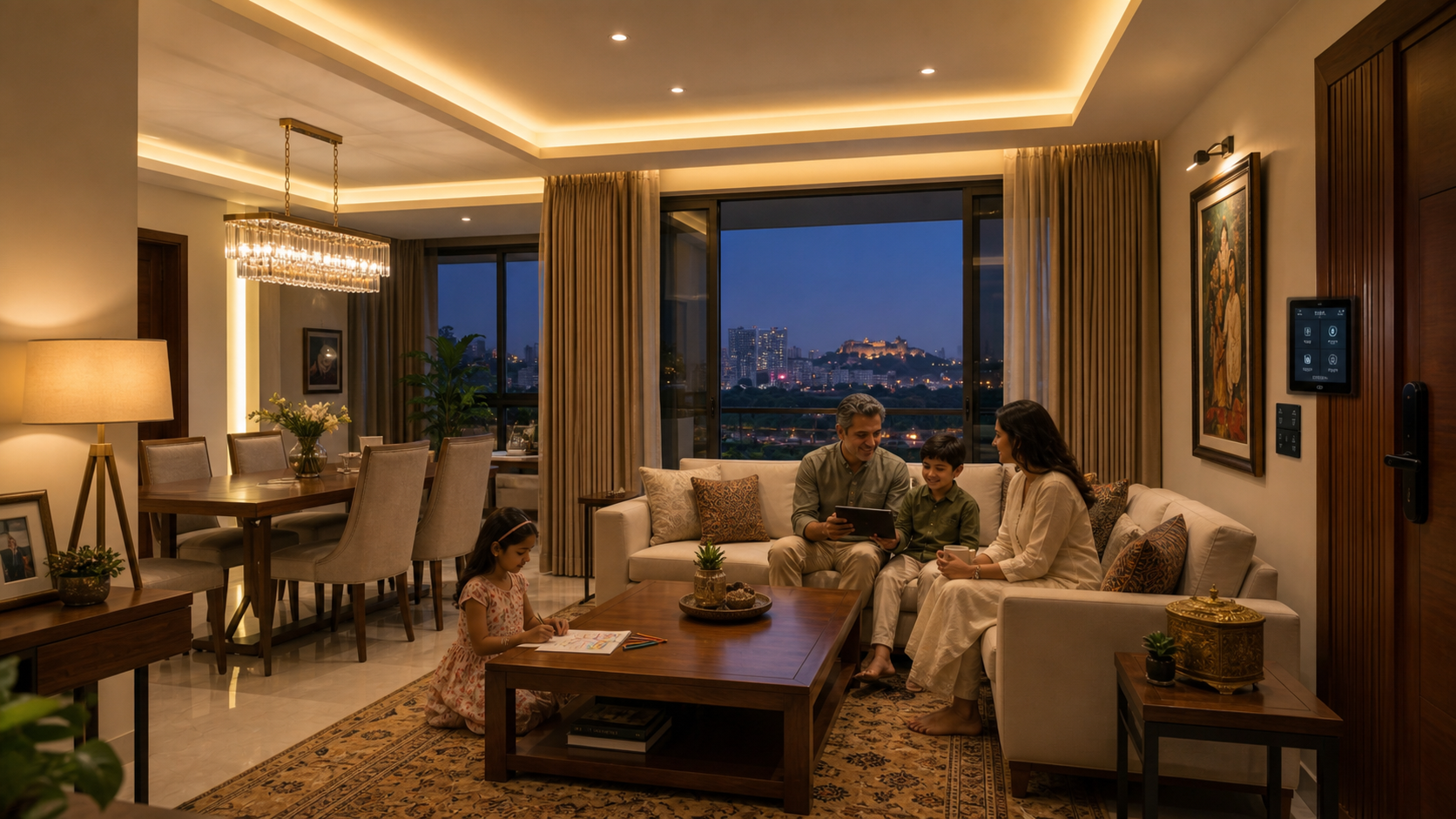
A practical guide to how home automation improves everyday comfort, routines, and usability for families.
Read Article →
A practical guide to the design decisions that make smart homes feel calm, elegant, and easy to live with.
Read Article →
A practical guide to preparing a new home for automation even when the full system will be installed later.
Read Article →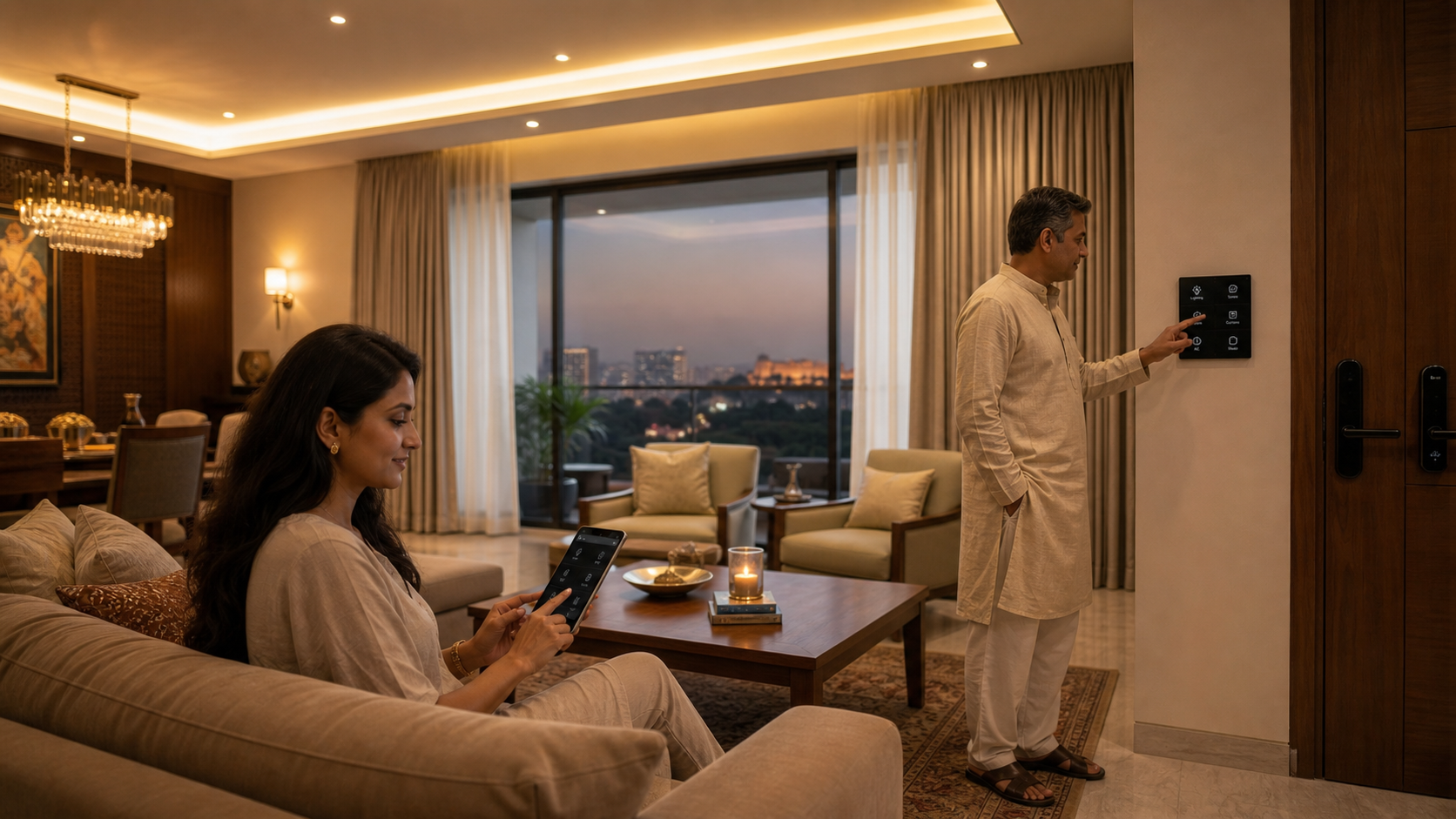
A practical guide to choosing the right balance between app control and wall keypads in a smart home.
Read Article →
A practical room-by-room guide to automation ideas that improve comfort, ambience, and control in the spaces families use most.
Read Article →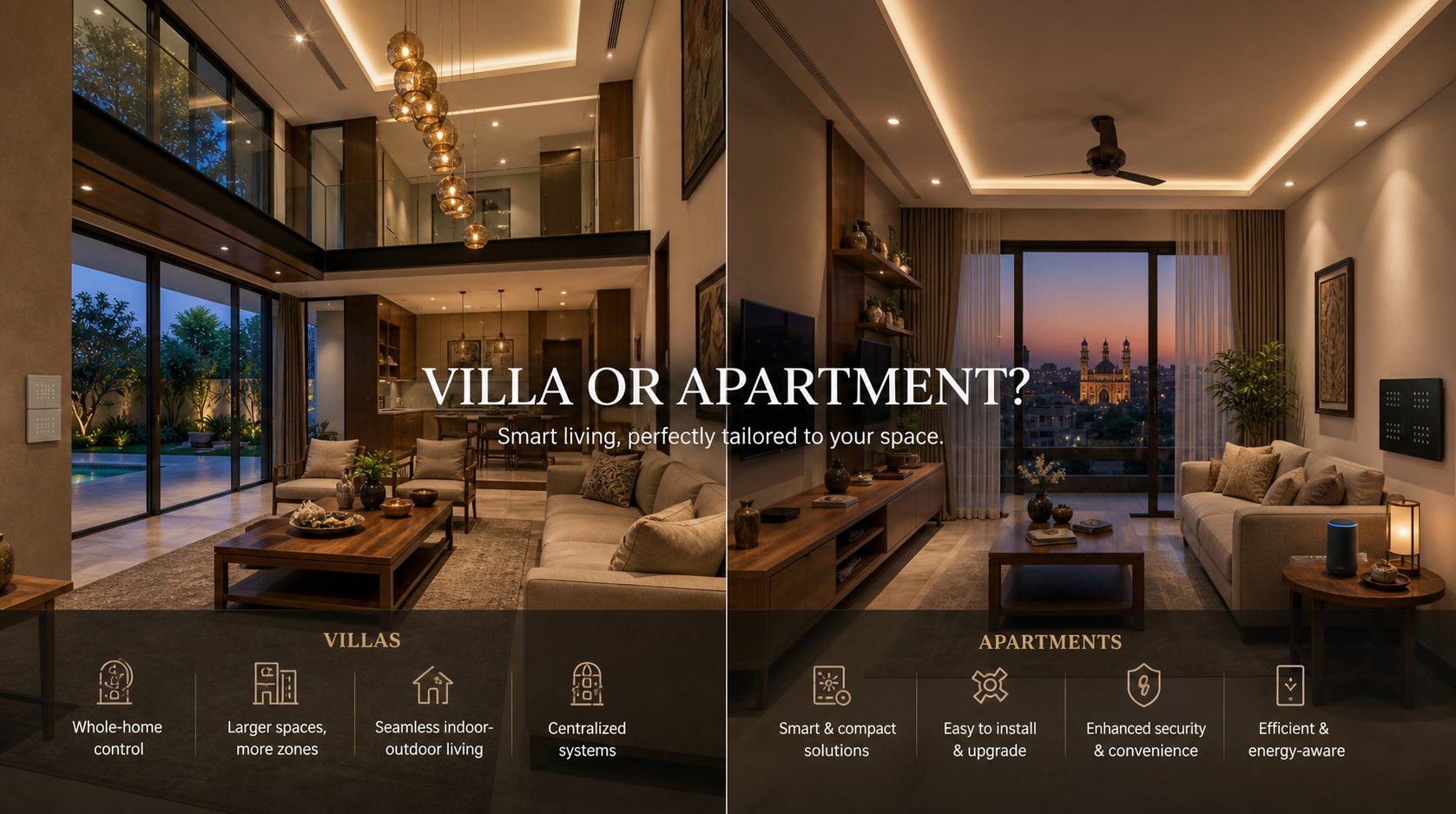
A practical planning guide showing what changes when home automation is designed for villas versus apartments.
Read Article →
A practical reliability guide to what should happen in a smart home when power or internet is interrupted.
Read Article →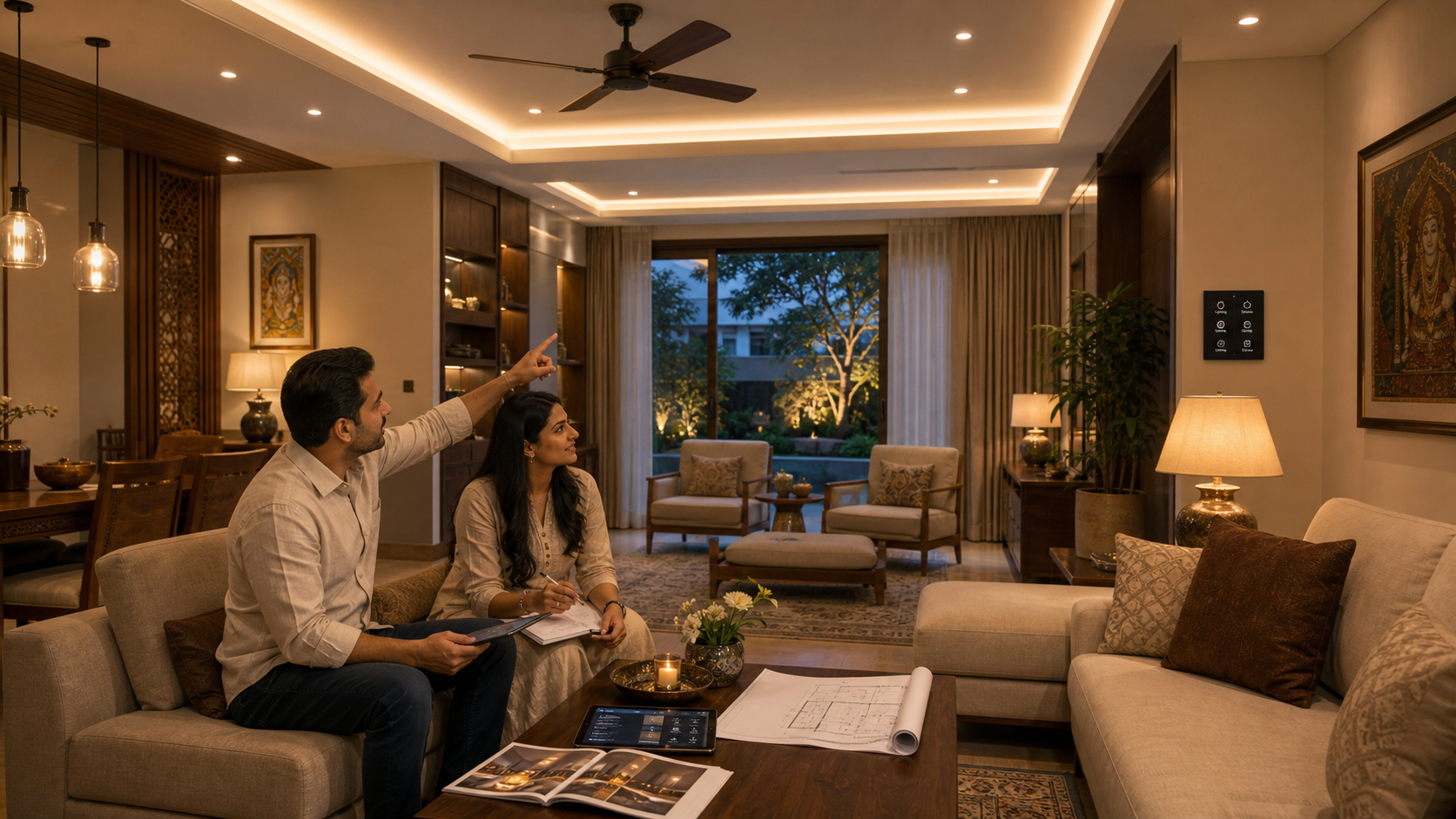
A practical guide to planning smart lighting so scenes, dimming, and room control work properly from day one.
Read Article →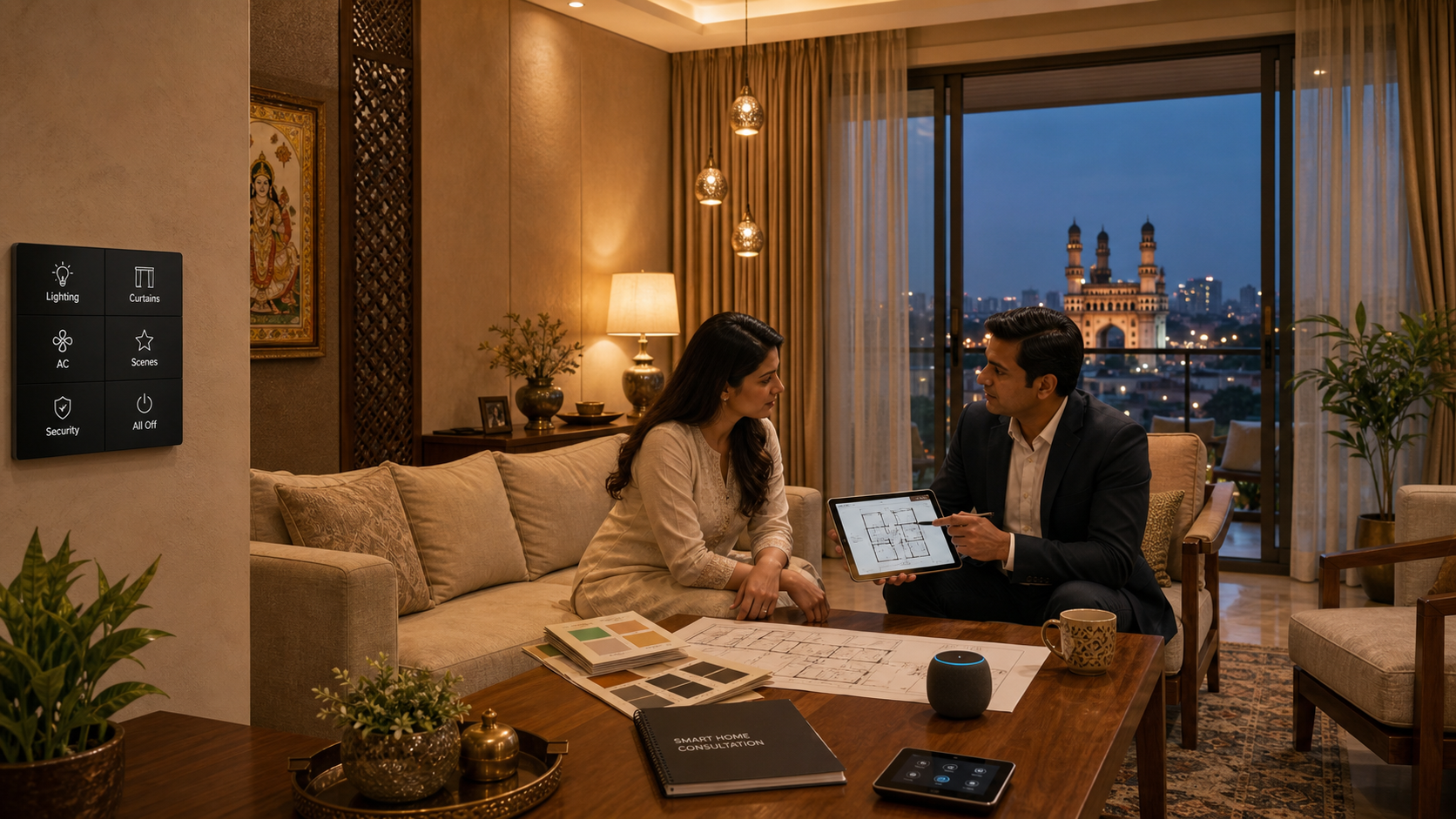
A practical guide to what a good smart home consultation should cover before design, wiring, or product decisions move ahead.
Read Article →
A practical guide to the different types of home automation systems, including wired, wireless, hybrid, scene-based, and app-led approaches.
Read Article →
A practical guide to when home automation adds real value, comfort, and convenience and when it becomes unnecessary complexity.
Read Article →
A practical trend guide covering scene-based living, simpler architecture, energy-aware controls, and what really matters in smart homes now.
Read Article →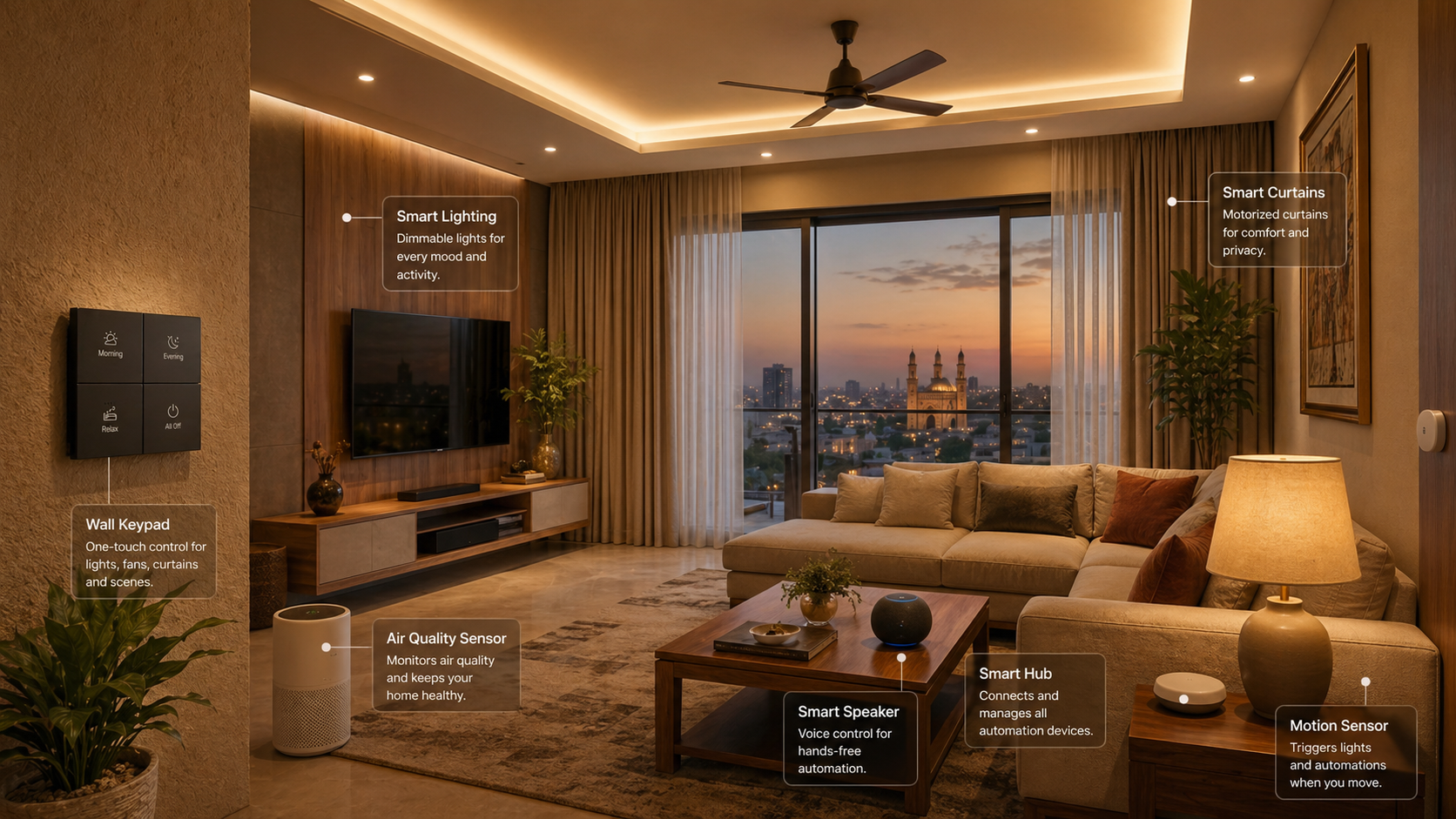
A practical guide to the devices that matter most in home automation, from lighting control and keypads to curtains, comfort, and security.
Read Article →
A practical buyer guide to choosing the right home automation system based on home type, planning stage, control style, and maintenance needs.
Read Article →
A practical cost guide covering what affects smart home budgets in Hyderabad, from lighting and keypads to curtains, comfort, and planning quality.
Read Article →
A practical guide to why scene-based automation creates a more useful, elegant, and intuitive smart home than isolated app-only devices.
Read Article →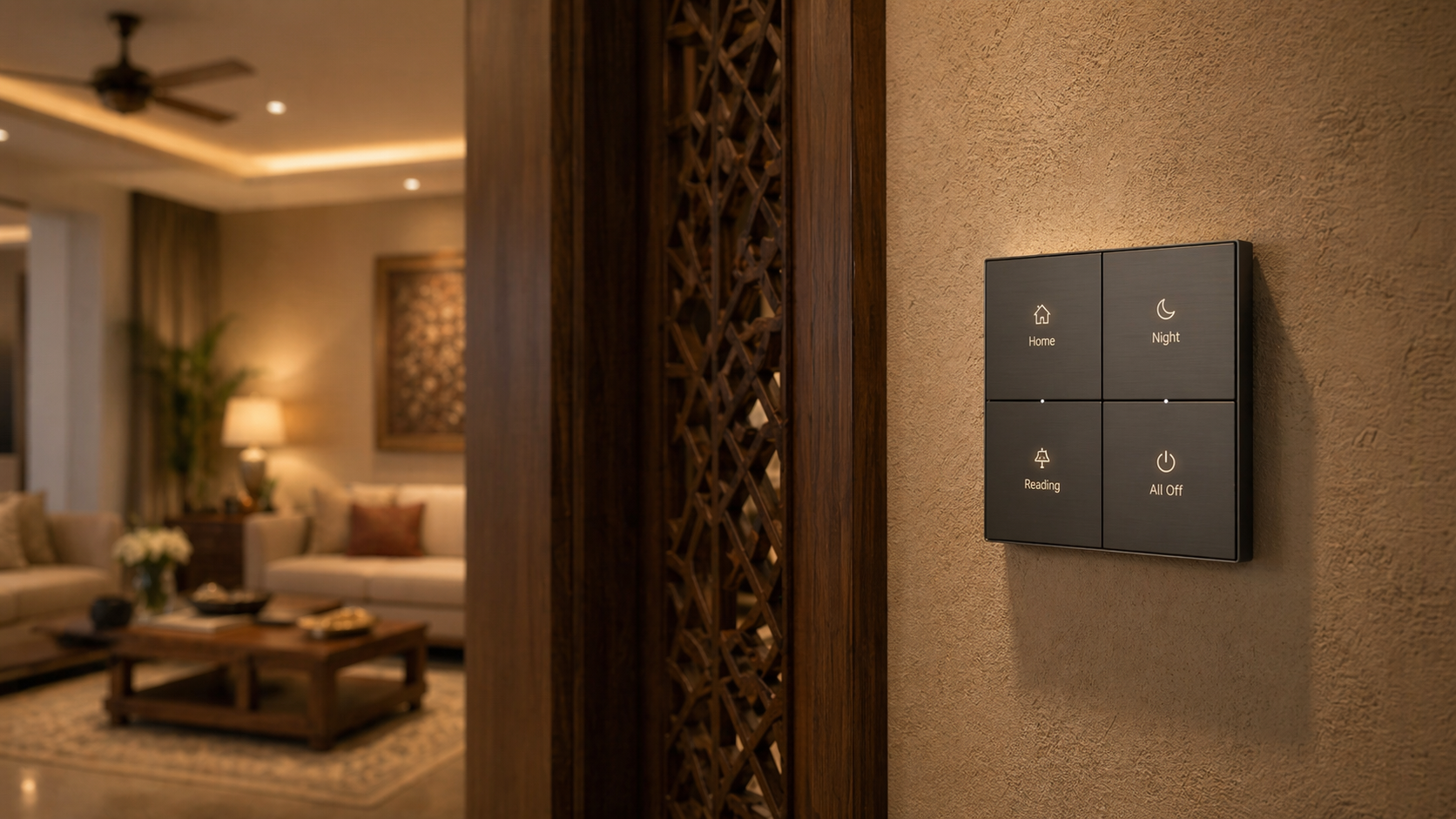
A practical guide to keypad placement so lighting, curtains, and scene control feel intuitive in everyday family use.
Read Article →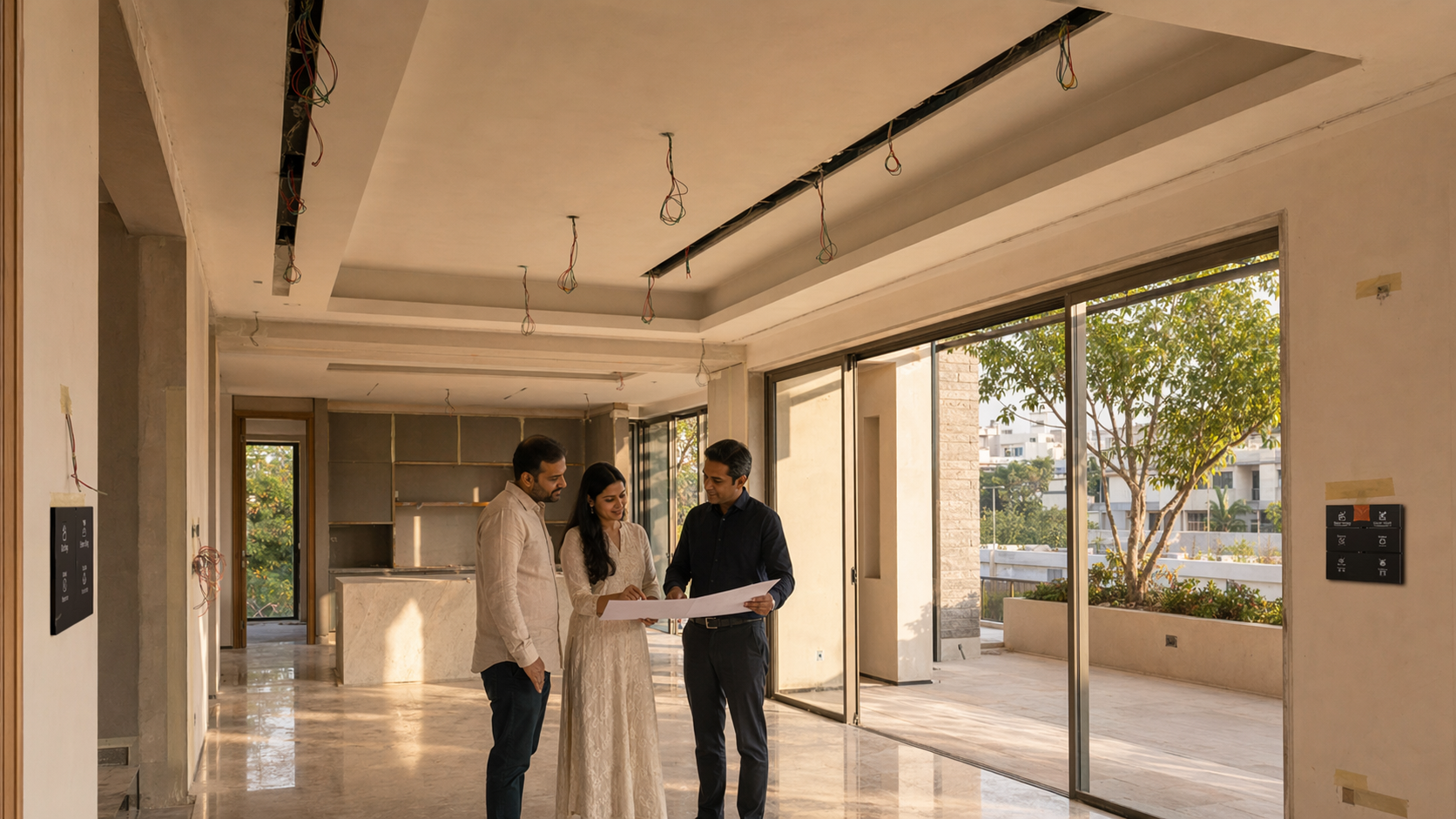
A practical guide to the planning mistakes that lead to rework, weak scenes, poor controls, and disappointing smart home results.
Read Article →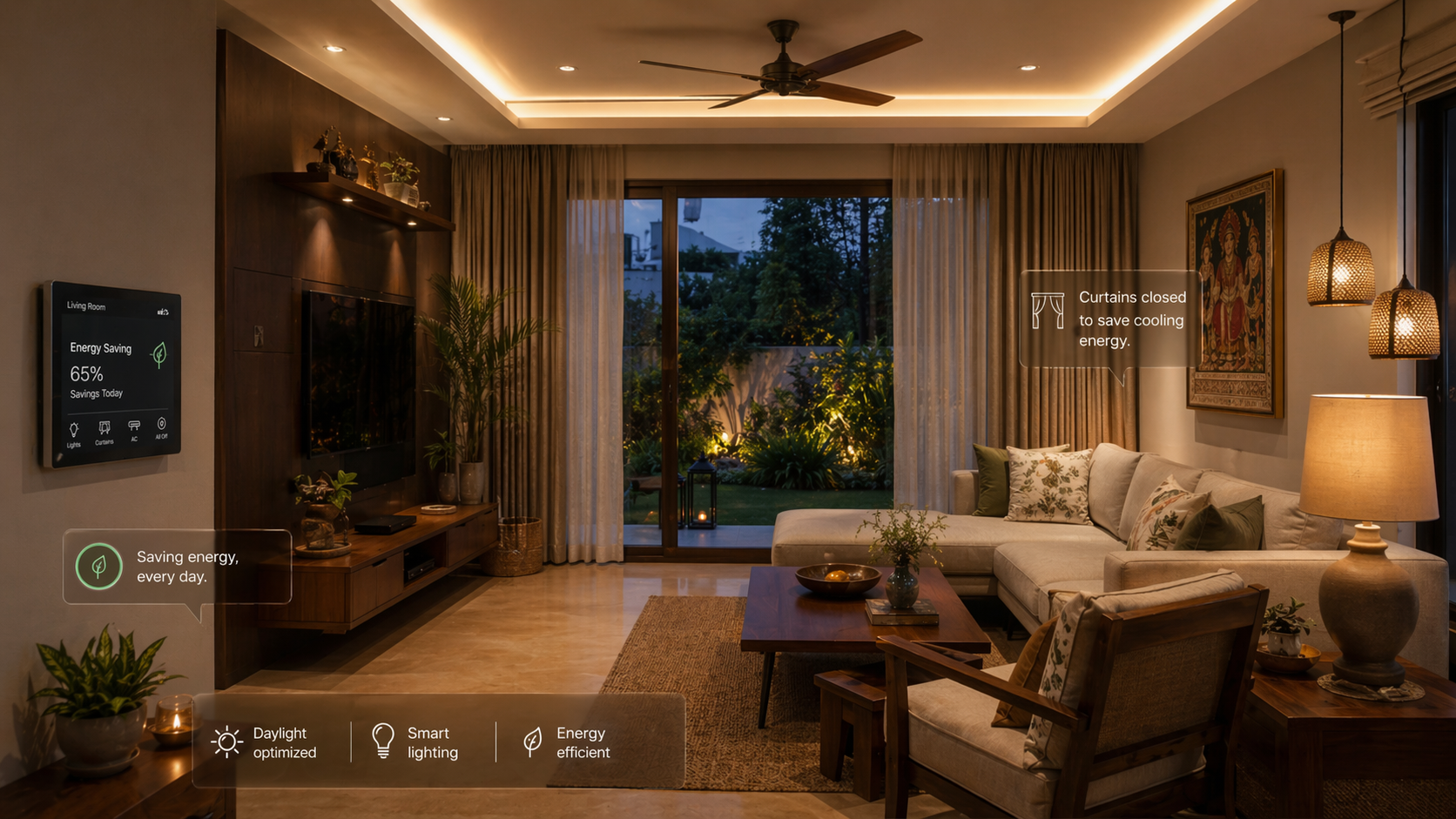
A practical guide to what really reduces electricity use in a smart home, from lighting scenes and dimming to curtains and comfort logic.
Read Article →
A broad guide to what home automation is, how it works, what it can control, and what makes a smart home system practical and worth choosing.
Read Article →
A practical guide to adding lighting, keypads, curtains, AC control, and smart infrastructure during renovation without unnecessary rework.
Read Article →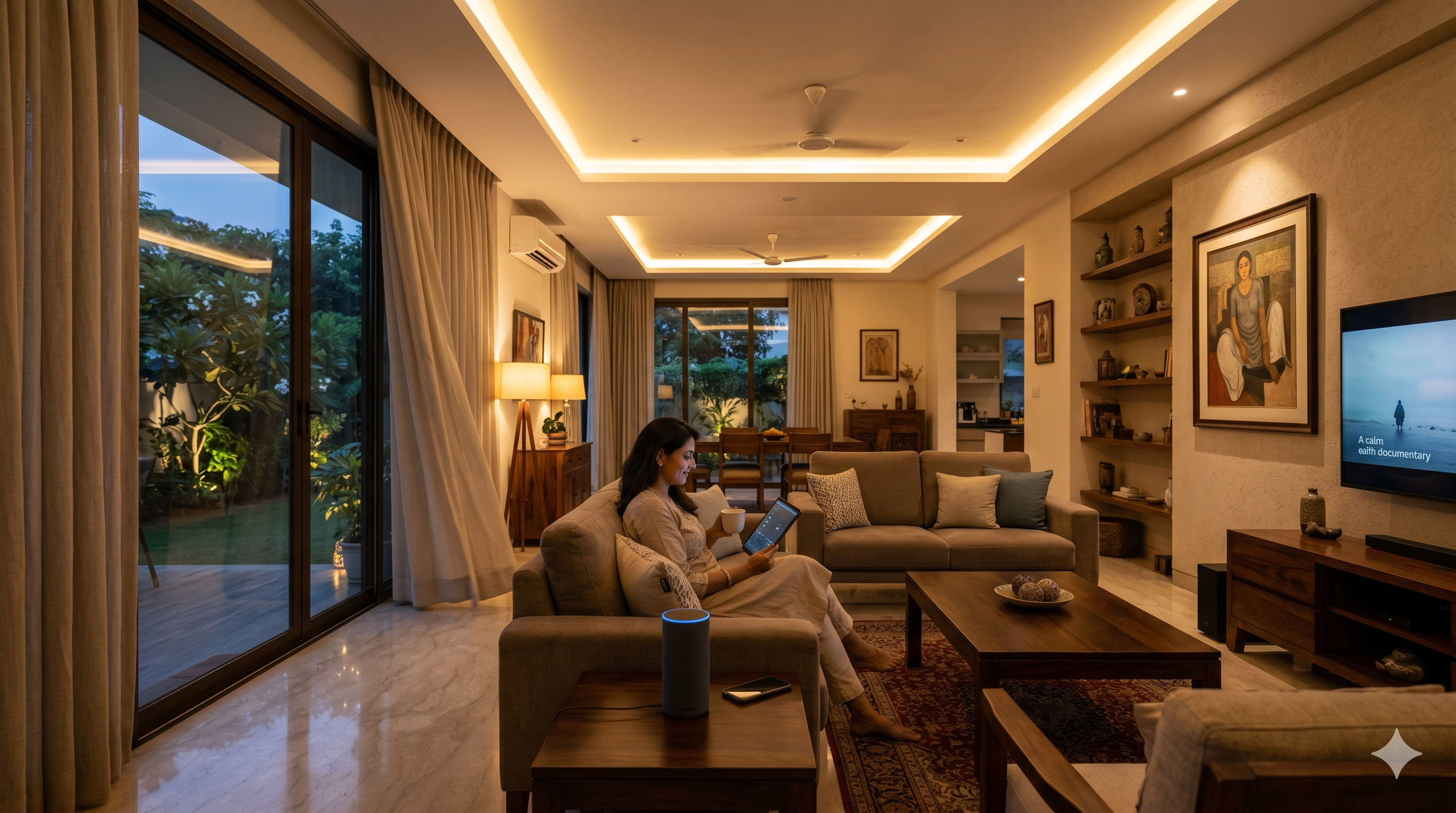
A practical guide to reliability in Indian conditions, including planning, power cuts, offline control, easy maintenance, and after-sales support.
Read Article →
A practical guide on the right construction stage to plan lighting, keypads, curtains, security, and network infrastructure for a smart home.
Read Article →
A practical guide to comparing service quality, planning depth, scene design, and long-term support instead of price alone.
Read Article →
A practical first-time buyer guide to prioritizing lighting, curtains, AC, and security in the right order.
Read Article →
A villa-focused guide to evaluating scenes, keypads, lighting, curtain integration, comfort control, and long-term service quality.
Read Article →
A practical room-by-room guide for homeowners choosing the right mix of panel lights, COBs, strips, spots, cove lights, and indirect lighting.
Read Article →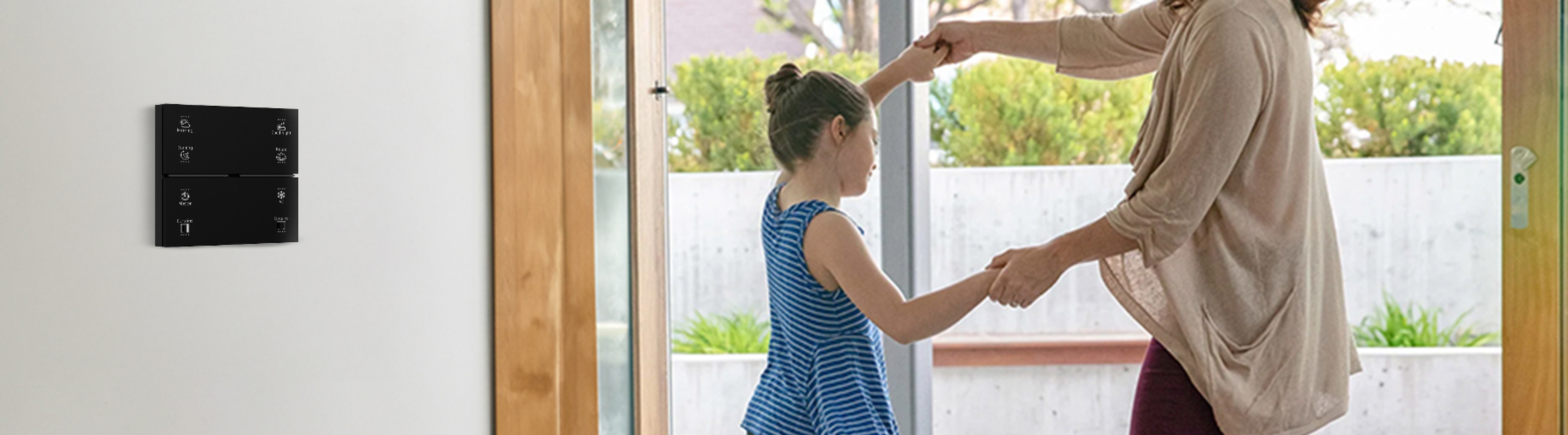
A practical comparison of DIY smart devices and professionally planned automation for Hyderabad homes.
Read Article →
A practical look at the lifestyle, design, and convenience reasons more Hyderabad homeowners are planning automation into new projects.
Read Article →
An original Pert guide on how designers can integrate lighting, curtains, scenes, and controls into a refined home without clutter.
Read Article →
A practical look at how smart curtains improve convenience, privacy, ambience, and scene-based living in modern homes.
Read Article →
A practical guide to keypad-led smart living with integrated lighting, curtains, AC control, and scenes for Hyderabad homes.
Read Article →
A practical framework for comparing home automation companies in Hyderabad on design, execution, integration, and support.
Read Article →
A practical apartment-focused guide to smart keypads, lighting, curtains, AC integration, and everyday scene control.
Read Article →
A practical comparison for homeowners deciding between complex wired systems and scene-based Zigbee wireless automation.
Read Article →
Understand the lighting trend and how Stella keypads help customers use tunable and dimmable scenes more effectively.
Read Article →
A local-first guide to lighting, climate, curtains, access control, and scenes that make everyday living easier.
Read Article →
Learn why great system integration is the difference between a premium experience and a frustrating one.
Read Article →
Match the right control package to your lifestyle, property type, and finish level.
Read Article →